Sample preparation
The recommended abstinence interval is followed and the entire sample is collected into a sterile container.

Semen analysis assesses semen volume, sperm concentration, total sperm count, motility, morphology and overall sample quality using standard laboratory methods.

The recommended abstinence interval is followed and the entire sample is collected into a sterile container.
Volume, sperm concentration, total count, progressive motility, total motility, morphology and, when required, vitality are assessed.
All parameters, sample conditions and the couple’s reproductive history are considered together rather than relying on a single value.
If abnormalities are found, repeat analysis, andrology assessment, hormone tests or genetic testing may be considered.
It is a core male-fertility laboratory test that measures macroscopic and microscopic characteristics of a semen sample.
Semen analysis assesses semen volume, sperm concentration/count, motility, morphology and other laboratory findings in an ejaculate sample. It cannot by itself determine whether natural conception will or will not occur.
Semen analysis is the main initial laboratory test in male-infertility assessment. Reliability depends on sample collection, transport time, temperature, complete collection of the ejaculate and the analytical method used.
Sperm concentration refers to the number of sperm per millilitre, while total sperm count refers to the number in the entire ejaculate. Motility and morphology are separate parameters.
Recent fever, surgery, some medicines, significant heat exposure and incomplete sample collection can affect results. An abnormal test should therefore not be interpreted without clinical context.
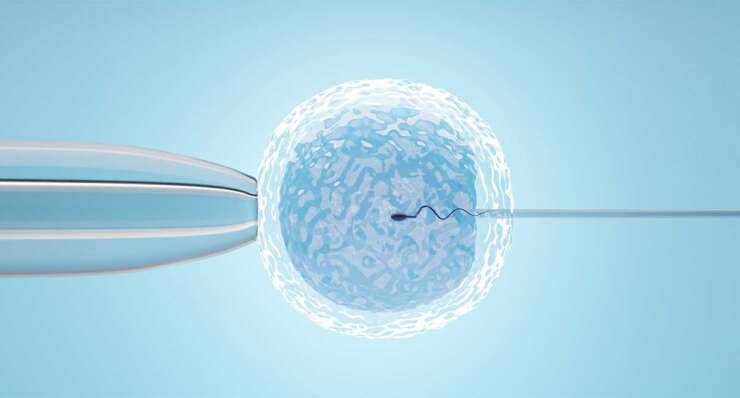
Standard semen analysis and sperm DNA integrity tests answer different clinical questions.
Assesses sperm concentration/count, motility, morphology, semen volume and other basic sample characteristics.
Assesses sperm DNA integrity using specialised methods.
DNA fragmentation, oxidative-stress testing or advanced sperm-function tests should be requested only when there is a clinical reason.
It is used in men planning pregnancy or when a condition may affect sperm production.
It is the first laboratory step in male assessment when a couple has difficulty conceiving.
Current semen quality is assessed when IUI, IVF or ICSI treatment is being planned.
It helps assess whether clinical findings may be associated with impaired sperm production.
Current sperm production and sample quality are assessed before sperm freezing.
It may be used to check whether sperm remain in the ejaculate.
Semen analysis may be used before and after treatments that can affect sperm production.
Home tests usually measure only limited parameters. Clinical decisions require a comprehensive semen analysis in a standard laboratory.
Correct preparation helps the sample reflect the individual’s current semen characteristics more accurately.
Many laboratories recommend an abstinence interval of 2–7 days; the clinic’s specific instructions should be followed.
The sample should be collected only into the sterile, non-toxic container provided or approved by the laboratory.
Standard lubricants can affect sperm motility; only laboratory-approved products should be used if needed.
The first fraction may contain a high proportion of sperm; any loss should be reported.
A sample collected at home should reach the laboratory within the specified time and under appropriate temperature conditions.
Recent fever, medication, surgery, infection and the abstinence interval are documented.
A standard, traceable laboratory workflow is followed from sample acceptance through reporting.
Patient details, collection container, collection time and abstinence interval are documented.
Whether the sample is complete, where it was collected and transport conditions are recorded.
Semen liquefaction, appearance, volume and relevant physical characteristics are assessed.
Sperm are counted in a defined volume to calculate concentration and total sperm count.
Progressively motile, non-progressively motile and immotile sperm are assessed.
Sperm head, midpiece and tail structure are assessed on a stained preparation.
When indicated, vitality, leukocytes, pH or post-centrifugation pellet examination may be performed.
Results are interpreted in the context of reference distributions, sample conditions and clinical history.
The sample is examined on the same day; reporting time depends on laboratory workflow and any additional tests.
It is usually completed on the day of the appointment.
The sample is allowed to liquefy appropriately before analysis.
Sperm concentration/count, motility and other parameters are assessed in the laboratory on the same day.
Staining and detailed morphology assessment may require additional time.
A second analysis may be planned after an appropriate interval when results are abnormal.
DNA fragmentation testing or microbiological culture may require separate processing and reporting.
A same-day visit is usually sufficient for semen analysis alone. Results can be discussed in person or remotely.
Natural biological variation and sample conditions can significantly affect the report.
Very short or long abstinence intervals can alter sperm count and motility.
Loss of the first fraction can make total sperm count appear lower than it is.
High fever in the preceding months can temporarily affect semen parameters.
Delay and temperature changes can particularly affect motility assessment.
Testosterone, anabolic steroids and some treatments can suppress sperm production.
Calibration, staff competency and quality control are important for reproducible results.
A single value below a reference limit is not a diagnosis of infertility, and a value above it does not guarantee pregnancy.
Costs vary according to whether additional laboratory assessments are required alongside the basic semen analysis.
Volume, sperm concentration/count, motility and morphology.
This may be needed when a high proportion of sperm are immotile.
Detailed post-centrifugation examination when azoospermia is suspected.
Selected tests when infection or inflammation is suspected.
It is not routine and should be added only for a clinical reason.
Freezing part of the same sample for treatment is planned separately.
Share previous semen analyses and treatment history to help determine which tests are actually needed.
Semen analysis requires trained manual assessment, standard methods, equipment calibration and regular internal quality control.
The collection container, slide, tube and report are matched to the same patient record.
Collection, receipt, liquefaction and analysis times are documented.
Counting chambers, microscopes and pipettes are maintained under quality-control procedures.
Staining and strict morphology criteria are applied by trained personnel.
When azoospermia is suspected, the post-centrifugation sample is examined carefully for rare sperm.
Results are transferred to the patient record after authorised staff review.
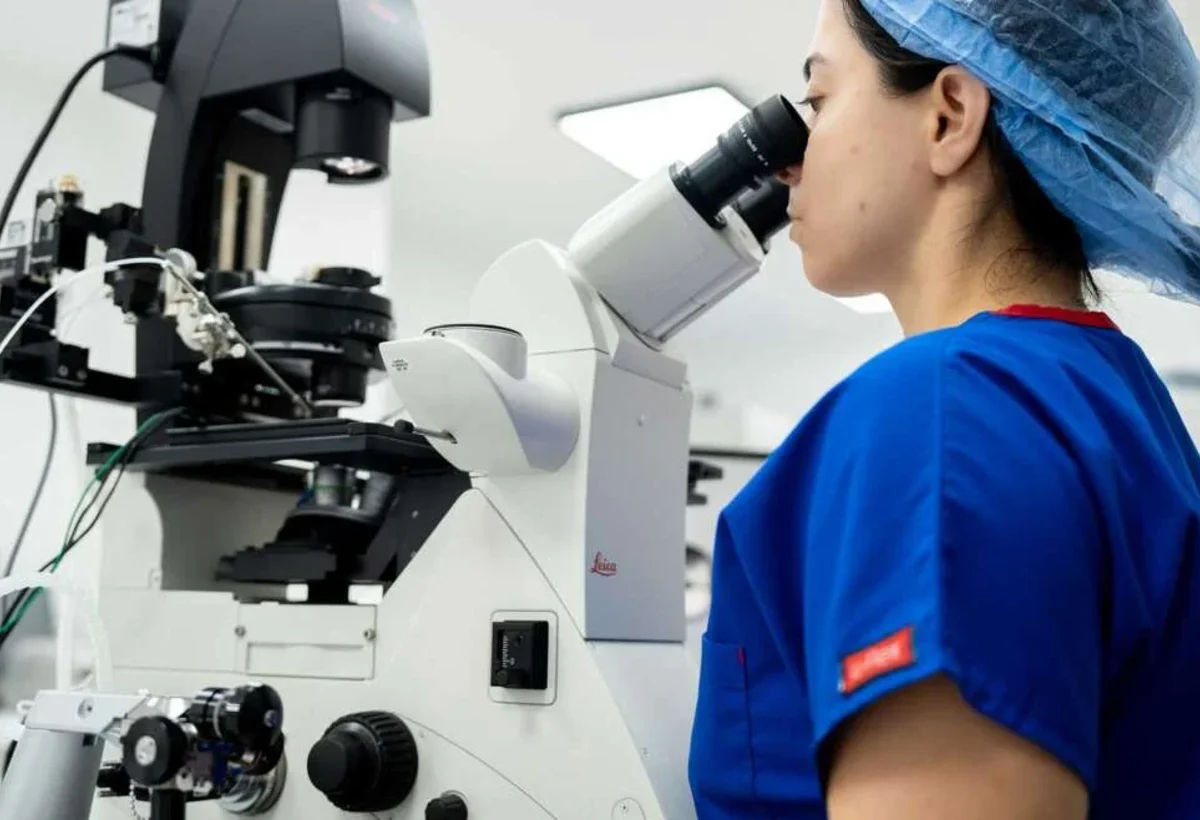
The semen report is interpreted together with the couple’s clinical situation and treatment goals.

Coordinates female-partner assessment alongside interpretation of the semen result.
View profile →
Integrates test results into the couple’s overall treatment plan.
View profile →
Manages sample acceptance, microscopic examination, sperm preparation and report quality control.
View profile →Persistent or severe abnormalities require appropriate urology/andrology assessment; the laboratory report alone is not a diagnosis.
Although important, the test does not measure every biological aspect of fertility.
One result may not represent a person’s long-term semen profile.
Standard semen analysis does not directly measure sperm DNA integrity or all aspects of fertilisation potential.
Incomplete collection or delay can produce misleadingly low results.
Lower reference limits do not represent a definitive fertile–infertile boundary.
Observer variation can occur in morphology and motility assessment.
Not every abnormal result requires advanced or costly additional tests.
Common questions about sample preparation and interpretation of results.
It is a laboratory test that measures semen volume, sperm concentration/count, motility, morphology and additional parameters when required.
Many laboratories recommend 2–7 days; follow the specific interval provided by the clinic for your appointment.
If the laboratory permits home collection, the sterile-container, transport-time and temperature instructions must be followed.
Fasting is generally not required.
The laboratory should be informed; repeat testing may be required, particularly if the first fraction was lost.
WHO reference distributions are population-based; no single number defines fertility.
It refers to the proportion of sperm classified as normally shaped using strict morphology criteria and should be interpreted with the other semen parameters.
Infection, fever, varicocele, oxidative stress, delayed analysis and many other factors can contribute.
Repeat testing may be requested after an appropriate interval if results are abnormal, sample collection was incomplete or there is a clinical reason.
Confirmation commonly requires repeat semen analyses with careful post-centrifugation pellet examination.
No. It is a separate advanced test and is not routinely indicated for everyone.
Basic analysis can often be completed on the same day; detailed morphology or additional tests may take longer.
Message us on WhatsApp for information about treatments, the process and planning your visit to Cyprus.