
Chip ID Safety System
IVF treatment involves many critical hand-offs involving oocytes, sperm, embryos and cryopreserved material. A chip-based electronic witnessing system adds a digital identity-verification layer to help the laboratory confirm that the correct patient and specimen remain matched at each defined step.
- Patient–sample matchingDefined verification points support correct matching of patient and laboratory material.
- Traceable workflowCritical steps can be recorded in an electronic audit trail.
- Human oversightElectronic witnessing supports, rather than removes, staff responsibility.
No identification system can justify a “zero-risk” claim. Electronic witnessing is an additional safety layer within a broader system of labelling, protocols, staff competency and quality review.
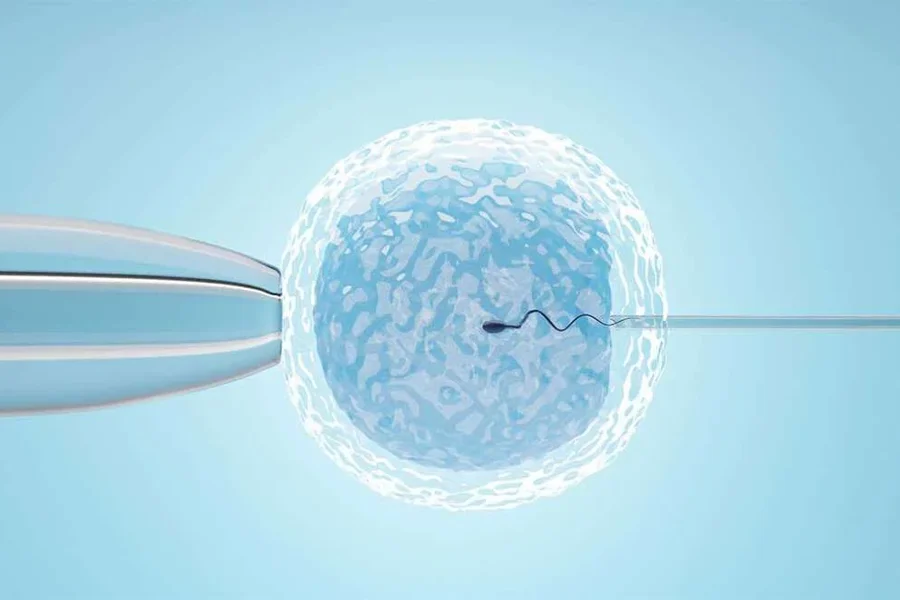 Identity · Electronic witnessing
When treatment involves many delicate laboratory steps, identity should be confirmed by more than memory.
Oocytes, sperm and embryos pass through collection, preparation, fertilisation, culture, transfer and sometimes cryopreservation. Each stage requires disciplined labelling and verification.
Electronic witnessing can provide an additional layer of confirmation and documentation so that critical identity checks are built into the workflow rather than left to informal habit.
Defined verification points
Identity checks can be triggered before critical laboratory actions.
Electronic audit trail
Verification events can be recorded for later review.
Process consistency
The same identity-control logic can be applied across relevant laboratory stages.
Quality investigation
Recorded events can support review of deviations or near misses.
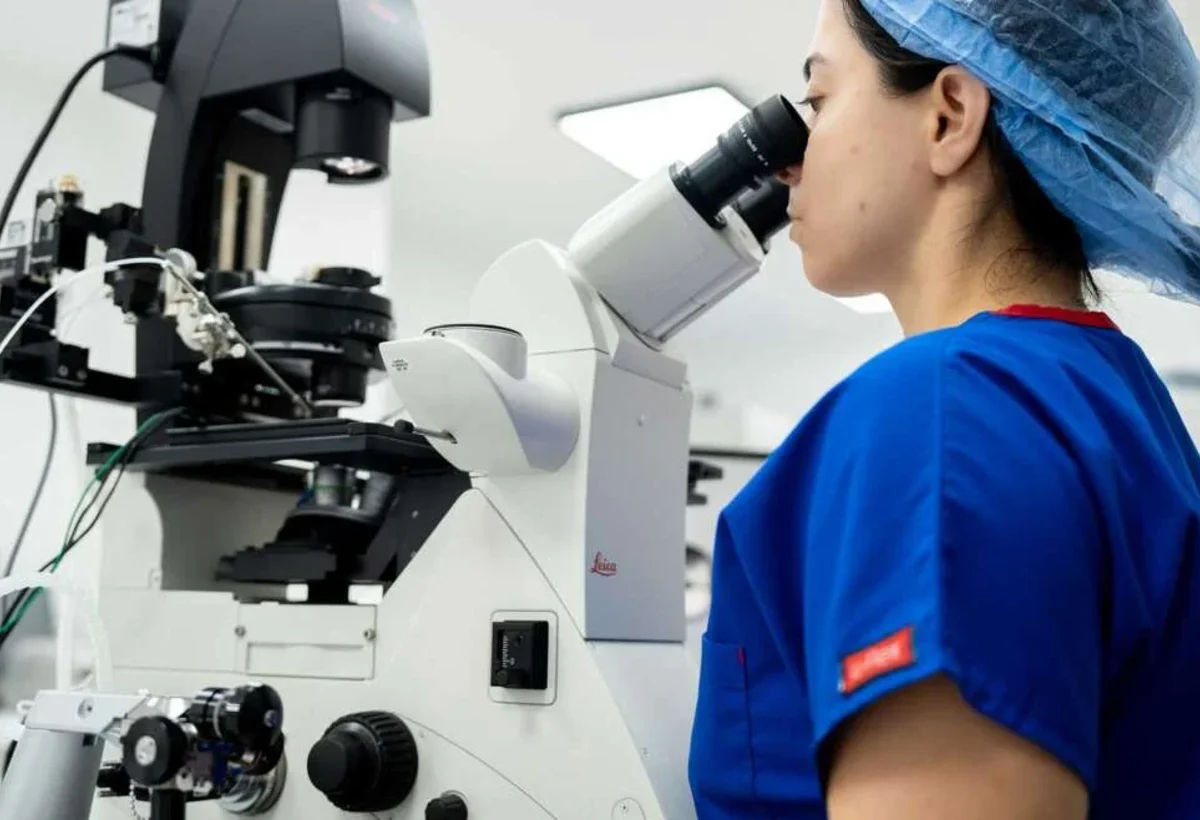
What is a Chip ID electronic witnessing system?
Electronic witnessing uses patient-linked identifiers and a digital system to verify specimen identity at selected steps. Depending on the platform, tags, cards, chips or readers may be used to confirm that materials present at a workstation belong to the intended patient.
The technology does not replace physical labels, written procedures or trained embryology staff. It functions as a second layer of control within the laboratory’s identity and traceability system.
Important distinction: electronic witnessing reduces reliance on a single human check, but it does not make the process error-proof. Correct labelling, system configuration, staff training and response to alerts remain essential.
A reliable system protects continuity from patient identification to transfer or storage.
The most important question is not whether a clinic owns a scanner or chip. It is whether identity controls are integrated across the full workflow and whether alerts, exceptions and deviations are managed consistently.
Patient identity
The treatment record and patient identifiers are confirmed.
Specimen labelling
Dishes, tubes and devices are linked to the correct patient.
Critical-step witnessing
Defined procedures require a matching confirmation before work continues.
Audit and storage
Verification records and cryostorage identity remain traceable.
How does electronic witnessing support the IVF laboratory workflow?
The exact hardware and checkpoints depend on the validated system used by the laboratory. A typical process links patient identity, specimen labels and electronic verification at critical steps.
Patient identity is linked
The treatment record is associated with the identifiers used in the laboratory workflow.
Containers and devices are identified
Dishes, tubes and cryodevices receive patient-specific labels according to protocol.
The system verifies a match
At defined critical steps, the system checks that the identifiers present are compatible.
Mismatch or exception is stopped
An alert requires staff review before the procedure continues.
The event is documented
Verification events are stored in the electronic audit trail where supported.
Quality records are evaluated
Deviations, overrides and system events can be reviewed within quality management.
Which stages may be supported by identity and traceability controls?
The set of checkpoints is laboratory-specific. The objective is to identify the steps where a mismatch could have serious consequences and build reliable verification around them.
Electronic records are meaningful only when the physical labels, user permissions and staff procedures are also correct.
Semen collection and preparation
Sample identity is maintained from receipt through laboratory preparation.
Oocyte retrieval
Retrieved oocytes and associated dishes are linked to the correct patient.
Fertilisation and ICSI
Gamete identity is confirmed before critical insemination or injection steps.
Embryo culture
Culture dishes and embryo records remain linked during developmental assessment.
Transfer
Embryo identity is verified before the planned transfer procedure.
Cryopreservation
Cryodevice identity, storage location and inventory records remain traceable.
Manual witnessing and electronic witnessing
Electronic witnessing is designed to strengthen identity control, but safe practice still depends on people, procedures and system governance.
Professional guidance on IVF laboratory witnessing emphasises accurate identification, double-checking at critical steps, documentation and management of protocol deviations. Electronic systems can help standardise and record these checks.
A digital system should therefore be evaluated by how it is implemented: user training, permissions, alert handling, downtime procedures, maintenance and quality review are as important as the hardware itself.
Electronic witnessing can reduce dependence on memory and manual cross-checking, but it should be embedded within a complete identification and quality-management system.
Why do we state the limits clearly?
No system is infallible. Hardware, software and user errors remain possible.
Labels still matter. Electronic witnessing does not replace correct physical labelling.
Alerts need human action. A warning is useful only when staff stop, investigate and resolve it correctly.
Downtime must be planned. Laboratories need validated procedures for system interruption or technical failure.
Where is an electronic witnessing system most relevant?
Identity verification is relevant across IVF laboratory work, not only for selected diagnoses. Its value increases as the number of specimens, procedures and storage steps increases.
IVF and ICSI cycles
Multiple gamete and embryo procedures require consistent patient–sample matching.
Donation programmes
Donor and recipient records require particularly careful traceability.
PGT workflows
Biopsy material, embryos and genetic reports must remain correctly linked.
Cryopreservation
Stored material requires reliable identity and inventory continuity over time.
Busy laboratory workflows
Multiple concurrent cases increase the importance of structured checkpoints.
Quality assurance
Electronic logs can support audits, deviation review and process improvement.
What does this technology not do?
Clear limits help prevent unrealistic expectations and keep laboratory information in the correct clinical context.
It does not remove the need for trained staff and written witnessing procedures.
It does not justify a guarantee that identification errors are impossible.
It does not replace physical labels or correct specimen handling.
It does not replace a validated downtime and emergency procedure.
It does not determine embryo quality or treatment outcome.
At Ventus IVF, electronic witnessing is part of a wider identity-safety chain.
We combine patient identification, physical labelling, electronic verification and documented laboratory procedures rather than relying on a single safety measure.
When the system produces an alert or an exception occurs, the correct response is to stop and resolve the discrepancy before continuing.
Ask about your situationCommon questions about Chip ID Safety System
These answers provide general laboratory information and do not replace personalised medical advice.
Ask about your situationWhat does an electronic witnessing system check?
It checks patient-linked identifiers at configured laboratory steps to help confirm that the correct specimens and records are matched.
Does Chip ID replace a second embryologist?
It can provide an electronic witnessing layer, but staffing and witnessing procedures depend on the laboratory’s validated protocol and applicable requirements.
What happens if the system detects a mismatch?
The workflow should stop and trained staff should investigate and resolve the discrepancy before the procedure continues.
Are embryos physically chipped?
No. The identifier is associated with containers, cards, tags or laboratory devices; it is not implanted into an embryo.
Does electronic witnessing eliminate all identification risk?
No. It is an additional safety layer, not a zero-risk guarantee.
Does the system track frozen embryos?
Where integrated with the laboratory inventory system, electronic identification can support traceability into cryopreservation and storage.
Explore related technologies
Different laboratory technologies support different parts of assessment, safety, culture and cryopreservation.
Scientific sources and further reading
- ASRM committee opinion on witnessing and protocol deviations in IVF and andrology laboratories. Source ↗
- Published study on electronic witnessing and IVF laboratory traceability. Source ↗
- Published review of electronic witnessing systems in assisted reproduction. Source ↗
- Recent publication addressing electronic witnessing and laboratory safety. Source ↗
Ask how specimen identification and electronic witnessing are integrated into the Ventus IVF laboratory workflow.
Our team can explain where identity checks occur, how cryopreserved material is traced and how alerts and deviations are managed within the quality system.