
PGT-SR: Genetic Testing for Structural Chromosome Rearrangements
PGT-SR is a preimplantation genetic test designed to assess unbalanced chromosome content in embryos when one parent carries a balanced translocation, Robertsonian translocation, inversion or selected other structural chromosome rearrangement.
- The karyotype report and ISCN description are reviewed before treatment
- The testing method is selected according to the type of rearrangement and laboratory resolution
- Prenatal diagnostic options during pregnancy are discussed separately
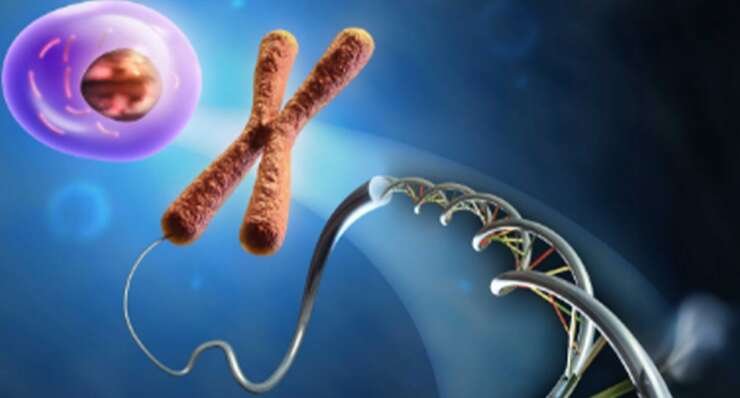
PGT-SR: Quick Summary
Target
To assess embryos for unbalanced chromosome content related to a structural chromosome rearrangement.
Who may be suitable?
Carriers of balanced translocations, Robertsonian translocations, inversions or selected complex rearrangements.
Required report
Parental karyotype, full ISCN description and, where available, genetic results from previous pregnancies.
Result
A report designed to distinguish embryos that may be normal or balanced from embryos with unbalanced findings.
What Is PGT-SR?
PGT-SR stands for Preimplantation Genetic Testing for Structural Rearrangements and is designed to assess chromosome imbalance related to a structural rearrangement before embryo transfer.
It examines whether a balanced chromosome rearrangement in a parent has resulted in missing or extra chromosome material in an embryo. What the test can distinguish depends on the laboratory method used and the characteristics of the rearrangement.
A person with a balanced translocation or inversion generally has no net loss or gain of genetic material and may therefore have no symptoms. During formation of reproductive cells, however, chromosome segregation can produce unbalanced oocytes or sperm and consequently unbalanced embryos.
PGT-SR requires biopsy of embryos created through IVF and genetic analysis of copy number in relevant chromosome regions. A result does not guarantee pregnancy or live birth, and there may be no embryo considered suitable for transfer.
Some analysis platforms cannot distinguish an embryo with a normal chromosome arrangement from an embryo carrying the same balanced rearrangement as the parent. If this distinction matters to the family, the laboratory’s technical capability should be clarified before treatment.
- The full ISCN description on the karyotype report is assessed
- The relevant chromosomes and breakpoint regions are communicated to the laboratory
- Whether normal and balanced-carrier embryos can be distinguished is explained
- Options for confirmation with CVS or amniocentesis during pregnancy are discussed
Different embryo outcomes can arise from a balanced carrier
This diagram is not a diagnosis or laboratory report. Actual results are interpreted according to the karyotype and genetics-laboratory analysis.
What Is the Difference Between PGT-SR and PGT-A?
Both tests may provide information about chromosome copy number, but the clinical question, prerequisites and interpretation differ.
PGT-SR
Focuses on chromosome imbalances associated with a known translocation or inversion in a parent.
- The karyotype report and breakpoint regions are important
- Testing resolution is assessed according to the rearrangement
- Distinguishing normal from balanced-carrier embryos may not always be possible
PGT-A
Designed to screen more broadly for missing or extra chromosome copies in embryos.
- A known translocation history is not required
- Mosaic or no-result reports may occur
- Does not always define structural carrier status
If the method cannot distinguish a normal embryo from a balanced-carrier embryo, the transferred embryo may be a healthy balanced carrier like the parent. This possibility should be explained during pre-test genetic counselling.
Who May Be Suitable for PGT-SR?
The strongest indication is a laboratory-confirmed structural chromosome rearrangement in one parent.
Reciprocal translocation
Individuals carrying an exchange of chromosome segments between two chromosomes.
Robertsonian translocation
Carrier states involving a specific fusion of acrocentric chromosomes.
Inversion
A balanced rearrangement in which a chromosome segment is reinserted in the reverse orientation.
Complex rearrangement
Selected cases involving more than one chromosome or multiple breakpoints.
Recurrent pregnancy loss
May be considered when a structural change is identified on a parental karyotype.
Previous unbalanced pregnancy
Families with a structural imbalance demonstrated by prenatal testing or testing of pregnancy tissue.
No. PGT-SR is considered when a specific structural chromosome rearrangement has been confirmed. If parental karyotypes are normal, other possible causes of miscarriage should be assessed separately.
Which Tests and Information Are Required Before PGT-SR?
The detail in the cytogenetic report directly influences laboratory feasibility and method selection.
Parental karyotype
Chromosome analysis of the carrier partner and, when required, the other partner.
Full ISCN description
Standard cytogenetic notation describing the chromosomes, breakpoints and rearrangement.
Family and pregnancy history
Miscarriages, infertility history, affected pregnancies and information about children.
Laboratory feasibility
Whether the rearrangement can be assessed using the selected platform and resolution.
IVF and embryo estimate
Realistic assessment of age, ovarian reserve and expected blastocyst number.
Result policy
Management of normal, balanced-carrier, unbalanced, mosaic and no-result categories.
How Is PGT-SR Performed?
Genetic file review, IVF, blastocyst biopsy, chromosome analysis and frozen embryo transfer are planned as one coordinated pathway.
Karyotype and genetic counselling
Carrier status, possible embryo outcomes and alternative reproductive options are explained.
Laboratory preliminary review
The laboratory determines which technical method can assess the rearrangement.
IVF or ICSI
Oocytes are collected, fertilised with sperm and embryos are created.
Blastocyst culture
Embryos are monitored in the laboratory until they reach a stage suitable for biopsy.
Trophectoderm biopsy
A limited number of cells are removed from an appropriate blastocyst and the embryo is frozen.
PGT-SR analysis
All chromosomes or relevant segments are assessed for imbalance.
Report and counselling
Categories such as potentially balanced/normal, unbalanced, mosaic or no result are explained.
FET and pregnancy follow-up
Frozen embryo transfer and a prenatal-confirmation plan are prepared for an appropriate embryo.
How Long Does PGT-SR Take?
The IVF timeline begins once karyotype and laboratory preliminary review are complete. Exact timing varies according to the reporting laboratory and embryo development.
Karyotype review
Assessment of the existing report by the genetics laboratory.
Technical preparation
Analysis method and reporting limits according to the type of rearrangement.
IVF stimulation
Usually approximately 10–14 days of monitoring before oocyte collection.
Biopsy
Usually on days 5–7 depending on embryo development.
Genetic report
Several days or longer depending on the reference laboratory workflow.
Transfer
A separate frozen embryo-transfer cycle after results.
Karyotype and laboratory preliminary review can be completed remotely. IVF and oocyte collection usually require a visit of approximately 10–14 days; transfer can be planned during a separate, shorter visit after results.
What Influences the Chance of Finding an Appropriate Embryo with PGT-SR?
The type of rearrangement, embryo number, female age and technical limits of the test should be considered together.
Type of chromosome rearrangement
The chromosomes involved and breakpoint locations influence the probability of unbalanced gametes.
Carrier parent
For some rearrangements, maternal or paternal origin may influence the distribution of outcomes.
Female age
Influences oocyte number, blastocyst development and age-related aneuploidy risk independent of the structural rearrangement.
Number of embryos reaching biopsy
More embryos available for assessment may increase the chance of identifying an appropriate result.
Testing resolution
Detection of small segments depends on the platform and its validated detection limits.
Transfer factors
An embryo reported as balanced or normal does not guarantee pregnancy or live birth.
The proportion of unbalanced embryos is not the same for every translocation or inversion. Counselling should be based on the individual karyotype, age and embryo data rather than a fixed success percentage.
PGT-SR Costs
Total cost includes more than the genetic test; IVF, embryo biopsy, number of embryos analysed, freezing and transfer should be considered together.
Karyotype and counselling
Specialist and laboratory assessment of existing cytogenetic reports.
Technical feasibility
Preliminary assessment of the rearrangement in relation to platform, resolution and reporting.
IVF and ICSI
Medication, monitoring, oocyte collection, fertilisation and embryo culture.
Embryo biopsy
Sampling and tubing of blastocysts suitable for biopsy.
PGT-SR analysis
Embryo number, analysis method and any additional confirmation procedures.
Freezing and FET
Embryo vitrification, storage and subsequent frozen transfer.
Clarify your individual scope before IVF
Send the complete karyotype report and, if available, genetic results from previous pregnancies so technical feasibility, analysis scope and costs can be explained during preliminary review.
Chromosome Analysis and Embryo Identity Safety in PGT-SR
The structural rearrangement on the parental karyotype, biopsy sample, genetic report and embryo code should be managed within one verification chain.
Karyotype matching
The relevant chromosomes and breakpoint regions are transferred accurately into the analysis plan.
Biopsy identity
Each embryo sample is processed in a separate tube with a unique code.
Copy-number analysis
All chromosomes and relevant segments are assessed for imbalance.
Resolution limit
Very small changes may fall below the detection limit of the method used.
Normal-versus-carrier distinction
Whether the laboratory can make this distinction is documented before treatment.
Report-to-transfer verification
The genetic result is double-checked against the correct embryo record.

PGT-SR Treatment, Embryology and Genetics Team
Turning karyotype information into an appropriate testing strategy and safe embryo-transfer plan requires coordination among clinical, embryology and genetics teams.

Op. Dr. Beril Yüksel
Plans IVF according to age, ovarian reserve and the goal of obtaining embryos suitable for genetic assessment.
View profile →
Prof. Dr. Münevver Serdaroğulları
Contributes to genetic-file review, counselling, consent and integration of results into the treatment plan.
View profile →
Zafer Atayurt
Coordinates blastocyst culture, biopsy, freezing and the chain of identity for biopsy samples.
View profile →Clinical interpretation of the karyotype, explanation of recurrence risk and assessment of embryo results should involve an appropriately qualified medical geneticist or genetic counsellor.
What Are the Risks and Limitations of PGT-SR?
PGT-SR aims to reduce a specific structural chromosome risk; it does not guarantee zero error, pregnancy or a healthy child.
Technical infeasibility
Some complex rearrangements may not be assessed reliably with the selected platform.
No-result analysis
Insufficient DNA, sample quality or technical factors may prevent a result in some embryos.
Resolution limit
Very small chromosome segments may fall below the test’s detection limit.
Normal-versus-carrier distinction
Some methods cannot distinguish a normal embryo from a balanced-carrier embryo.
No appropriate embryo
A high proportion of unbalanced embryos and a small blastocyst number may limit transfer options.
Risks outside the test scope
Genetic conditions not tested, new genetic changes and pregnancy complications are not excluded.
If pregnancy occurs after PGT-SR, prenatal diagnostic options such as CVS or amniocentesis should be offered because of the test’s technical limitations.
Frequently Asked Questions About PGT-SR
Answers are for general information; an individual karyotype and laboratory method can change interpretation.
What is PGT-SR?
A preimplantation genetic test that assesses embryos for imbalance related to a structural chromosome rearrangement in a parent.
For which chromosome changes is PGT-SR used?
It is most often considered for carriers of balanced reciprocal translocations, Robertsonian translocations and inversions. Technical feasibility is assessed separately for complex rearrangements.
Is a balanced translocation carrier ill?
Most balanced carriers are healthy, but chromosome segregation during formation of reproductive cells may create unbalanced gametes and increase the risk of infertility, miscarriage or an affected pregnancy.
Is a karyotype report required for PGT-SR?
Usually, yes. The full ISCN description of the relevant chromosomes and breakpoints is required for laboratory preliminary assessment.
Are PGT-SR and PGT-A the same test?
No. PGT-SR focuses on imbalance associated with a known structural chromosome rearrangement, whereas PGT-A screens more generally for chromosome copy-number differences.
Can PGT-SR distinguish a normal embryo from a balanced-carrier embryo?
Some methods can make this distinction, whereas others can only identify unbalanced embryos. The platform and reporting capability should be explained before treatment.
Does PGT-SR detect every chromosome condition?
No. The test has limits in scope, resolution and target. Genetic conditions outside the test or very small changes may not be detected.
How is PGT-SR performed?
Blastocysts created through IVF are biopsied, embryos are frozen and the cell samples are analysed in a genetics laboratory. An appropriate embryo can then be planned for transfer after results.
Is ICSI required for PGT-SR?
The fertilisation method is selected according to sperm characteristics, laboratory protocol and contamination-control considerations. ICSI may be preferred in many programmes.
How long does PGT-SR take?
After preliminary review, ovarian stimulation usually takes approximately 10–14 days. Additional time is required for the genetic report and subsequent frozen transfer.
How long do I need to stay in Cyprus for PGT-SR?
Karyotype review can be completed remotely. IVF generally requires a visit of approximately 10–14 days, with a separate short visit for transfer.
Does PGT-SR guarantee success?
No. The test aims to reduce the risk of transferring an embryo with an unbalanced chromosome result; embryo development, implantation, pregnancy and live birth are not guaranteed.
Can PGT-SR result in no appropriate embryo being found?
Yes. Depending on the rearrangement, female age and small blastocyst numbers, there may be no embryo reported as potentially balanced or normal.
Can a mosaic result occur?
Depending on the platform and reporting policy, mosaic or intermediate copy-number results may be reported. Management is personalised through genetic counselling.
Is prenatal testing needed after PGT-SR?
Although PGT-SR can have high diagnostic accuracy for its intended target, technical limitations remain. Confirmation with CVS or amniocentesis should be offered during pregnancy.
Why does the cost of PGT-SR vary?
Cost varies according to IVF treatment, number of biopsies, analysis platform, embryo number, freezing, storage and transfer scope.
Related Genetic Treatments and Processes
Clarify Your PGT-SR Plan Before Treatment Begins
Share your karyotype report, any available genetic results from previous pregnancies or miscarriages, and your current IVF file. We can assess laboratory feasibility, expected embryo number, biopsy and transfer timing within one plan.
- Technical preliminary review of the karyotype and ISCN report
- Explanation of the PGT-SR laboratory method and result categories
- IVF, biopsy, freezing, transfer and prenatal-confirmation planning
Medical sources
Content has been prepared with reference to professional guidance on PGT-SR indications, analysis of structural chromosome imbalance, counselling and confirmation during pregnancy.