
Preparing for IVF Treatment in Cyprus
Preparing for IVF is not simply about collecting test results. It means reviewing existing medical conditions, regular medications, lifestyle, sperm and ovarian assessment, the treatment schedule and travel requirements as part of one coordinated plan.
- 01 Complete medical file
- 02 Medication safety
- 03 Prepare as a couple
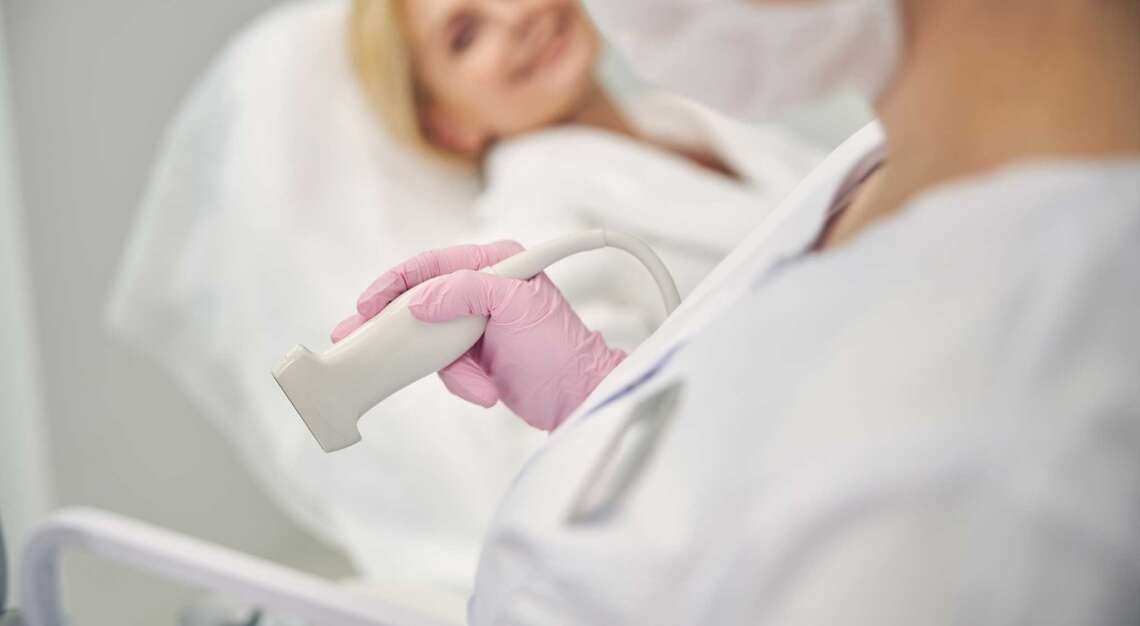
Good preparation does not mean more tests; it means the right tests and the right information.
The same panel of tests is not required for every patient. Investigations should be selected according to age, medical history, the cause of infertility, previous results, the planned treatment and applicable regulations.
Before the first consultation, collecting your existing reports, ultrasound results, semen analyses, operation notes, genetic results and current medications in an organised file can reduce unnecessary repetition and help the doctor understand your treatment history more accurately.
The goal of preparation is not to achieve a ‘perfect’ lifestyle. Stopping smoking and nicotine exposure, limiting or avoiding alcohol, eating a balanced diet, sleeping regularly, working towards a healthy weight and controlling chronic conditions are important for personal health and pregnancy safety.
Preparation involves your whole medical history, not only the ovaries.
For a safe plan, fertility assessment, general health, current medications and daily life should be considered together during the same consultation.
Pregnancies, miscarriages, operations, previous stimulation cycles, egg outcomes and embryo outcomes are documented in detail.
Thyroid disease, diabetes, hypertension, clotting disorders, heart or kidney disease and other chronic conditions may need to be optimised with the relevant specialists.
Prescription medicines, over-the-counter products, herbal supplements and high-dose vitamins should all be disclosed.
Monitoring days, injection times, egg collection, time off work, an accompanying person and travel arrangements are planned in advance.
What to do from the first consultation until medication starts
The sequence below is a practical checklist. The documents and tests requested by the clinic may differ according to your individual treatment plan.
Gather your existing medical records
Prepare recent AMH results, ultrasound reports, hysterosalpingography (HSG) or hysteroscopy reports, semen analyses, operation reports, genetic tests, pathology results and previous IVF laboratory reports in chronological order.
Make a list of your medications and medical conditions
List the name and dose of medicines you use regularly or occasionally, as well as allergies, chronic conditions and previous operations. Do not stop any medication without speaking to your doctor.
Complete both female and male fertility assessments
An up-to-date semen analysis and any additional male-infertility investigations considered necessary should be planned alongside assessment of ovarian reserve and the uterus. Fertility treatment should not focus on the female partner alone.
Review your preconception health plan
Vaccination status, cervical screening, infection tests, blood group and chronic-disease monitoring are reviewed according to clinical and local requirements. Medications that may pose a risk in pregnancy should be reviewed with the relevant specialist.
Make sustainable lifestyle changes
Aim to stop smoking and nicotine use, and discuss alcohol or recreational drug use openly with your doctor. Introduce balanced nutrition, regular sleep and moderate activity as early as possible rather than only in the final week before treatment.
Receive practical medication training
Storage conditions, injection site, medication preparation, timing, what to do after a missed dose and transport requirements during travel should be clearly explained in writing and visually where possible.
Create a backup plan for treatment week
Allow for monitoring appointments to shift from the expected dates. Arrange work leave, childcare, transport, an accompanying person and emergency contact details in advance.
What is each piece of information used for?
The purpose of testing is not only to ask whether a value is ‘normal’; it is to support decisions about the protocol, safety and timing.
These findings help estimate the expected ovarian response and shape an individual stimulation plan.
This helps assess polyps, fibroids, the uterine cavity and other findings that could affect embryo transfer.
It provides basic information about sperm count, motility and morphology and may indicate whether further assessment is appropriate.
These are planned according to clinical and regulatory requirements for procedural, pregnancy and laboratory safety.
| Document / information | Why is it requested? | What should you bring? | Common mistake |
|---|---|---|---|
| Previous IVF report | To review ovarian response, oocyte maturity, fertilisation and embryo development | Complete medication doses, egg-collection records and embryology reports | Providing only the number of embryos that remained |
| Operation / hysteroscopy report | To understand uterine, tubal and ovarian anatomy | Operation report and pathology result | Remembering only the name of the procedure |
| Medication list | To assess interactions and safety in pregnancy | Name, dose, frequency and reason for use | Not considering herbal products and supplements to be medications |
| Semen analysis | For male-factor assessment and laboratory planning | Date, abstinence period and previous analyses where available | Treating a single semen analysis as an unchangeable result |
How long a result remains valid depends on the test, clinic policy and applicable regulations. Sharing existing results first may reduce unnecessary repetition and delays.

Aim for sustainable health habits, not a miracle diet.
No single food or supplement has been shown to guarantee IVF success. Preparation should be based on general health principles such as a balanced diet with adequate protein and fibre, safe food choices, regular sleep, appropriate physical activity and reducing tobacco or nicotine exposure.
- For people planning pregnancy, 400 micrograms of folic acid daily is a general public-health recommendation; a different dose may be needed in certain medical circumstances.
- Smoking and nicotine are associated with adverse effects on both female and male reproductive health and assisted-reproduction outcomes.
- Avoid highly restrictive diets, rapid weight changes and high-dose supplements unless medically advised.
- Tell your doctor openly about the amount of caffeine, alcohol and herbal products you use.
- Rather than suddenly increasing exercise, establish a moderate and sustainable routine; activity advice may change during ovarian stimulation.
Before starting, answer the questions ‘what, why and when?’
Many medication errors are associated with not having a written plan, confusing similar pens or products, or failing to consider storage requirements during travel in advance.
Points to clarify during medication training
Obtain the following information in writing for each medication.
- Exact medication name, dose and administration time
- Preparation and injection technique
- Room-temperature or cold-chain requirements
- How long an opened pen or vial can be used
- What to do after a missed, spilled or incorrectly administered dose
- Safe disposal of needles and medical waste
Do not make these changes without informing your doctor
Being ‘natural’ or available without a prescription does not mean a product is safe.
- Stopping medication for a chronic condition on your own
- Increasing, reducing or moving a dose to another day
- Adding hormones or supplements on a friend’s recommendation
- Starting aspirin, anticoagulants or painkillers
- Using herbal teas or concentrated herbal products
- Transporting medications at an inappropriate temperature or in checked luggage
A short checklist to make the first treatment day easier
This list does not replace medical approval; it helps you notice practical details that may still be missing.
Dated reports and a summary of previous treatment are stored together.
Dose, timing, storage requirements and backup contact details are written down.
The possibility that monitoring and egg-collection dates may change has been considered.
Support for egg-collection day and transport, when required, has been planned.
| Check | If ready | If not yet ready |
|---|---|---|
| Have all medications and allergies been disclosed? | Keep the list on your phone and in your medical file. | Send it to the team before the first dose. |
| Have you practised the medication technique? | Set an alarm for the first day. | Ask for nurse-led training or video guidance. |
| Are your travel and work plans flexible? | Add monitoring days to your calendar. | Create a backup plan for dates that may change. |
| Do you have an emergency contact method? | Save the numbers and share them with your accompanying person. | Ask the clinic how to contact the team outside normal working hours. |
It is not possible to eliminate every risk before treatment. The aim is to improve modifiable factors, identify safety issues early and create a plan appropriate for you.
Questions patients ask most often
These answers are for general information. Medication, monitoring and travel instructions from your own treatment team take priority.
How long before IVF treatment should I start preparing?
Where possible, the first consultation and general health measures can begin a few months before treatment. However, timing should be agreed with your doctor so that treatment is not unnecessarily delayed because of age or a medical indication.
Which tests are required before treatment?
There is no single universal list. Ovarian, uterine, semen and general-health tests are selected according to age, history, the planned treatment, anaesthetic requirements and local regulations.
Is my previous AMH result still valid?
AMH may not change dramatically over a short period, but the test date, laboratory method and clinical context are important. Share the existing result and let your doctor decide whether it needs to be repeated.
Is one semen analysis enough?
Semen parameters can change over time. If the first result is abnormal, if there has been a recent illness or fever, or if the result is old, repeat testing or a urological assessment may be required.
When should folic acid be started?
For people planning pregnancy, a general recommendation is 400 micrograms of folic acid daily, ideally starting before conception. A different dose may be required after a previous neural-tube defect, with certain medications or in some medical conditions; discuss this with your doctor.
Is there a special diet before IVF?
There is no specific IVF diet that can guarantee success. A balanced, varied and sustainable diet is preferable to severe restriction or rapid weight loss.
Do I need to stop coffee completely?
Tell your doctor how much caffeine you consume. Current health guidance on total daily caffeine intake before and during pregnancy should be considered, including sources other than coffee.
Can I drink alcohol before treatment?
The safest approach is to discuss alcohol use with your doctor and limit or avoid it while planning pregnancy and during treatment. Alcohol should be considered in relation to medications and a possible early pregnancy.
Is smoking only relevant for the female partner?
No. Tobacco and nicotine are associated with risks affecting female reproductive health, semen parameters, pregnancy and assisted-reproduction outcomes. Passive exposure should also be discussed.
Can I use supplements and herbal products?
A product being ‘natural’ does not mean it is safe or effective. Tell your team about all supplements because of their ingredients, doses and potential medication interactions, and do not start high doses on your own.
Should I stop my thyroid or diabetes medication?
No. Do not stop medication for a chronic condition on your own. Preconception targets and medication suitability should be reviewed with the relevant specialist.
Do I have to lose weight before starting treatment?
Weight can affect general health, anaesthetic risk and pregnancy risk, but the goal and timing are individual. A sustainable medically supported plan is preferable to rapid or extreme dieting.
How should the male partner prepare?
Semen analysis, medical history, medications, smoking and alcohol, recent fever or illness, heat exposure and, when indicated, urological assessment should be considered. The abstinence period before providing a sample should follow the clinic’s instructions.
What if I cannot give myself the injections?
Ask for medication training and, where available, supervised first-dose administration or video support. Knowing the administration time, storage requirements and missed-dose plan in advance can reduce anxiety.
What should I do if my period starts earlier or later than expected?
Contact the clinic. The baseline check and medication start date can be adjusted to the new cycle; do not begin the plan on your own.
Can I have dental treatment or vaccinations before fertility treatment?
Necessary preventive healthcare should ideally be planned before pregnancy. Review the type of vaccine, dental procedure, medications used and treatment schedule with the relevant doctors.
Key sources used in preparing this guide
The sources support the general medical framework. Each patient’s protocol, monitoring frequency and clinical recommendations may vary according to individual assessment.
Let’s connect the general information to your own treatment plan.
Send us your existing results before repeating tests. Together, we can identify which reports are current and sufficient, which investigations are genuinely necessary and the appropriate timeframe for starting treatment.