
IVF Treatment Process Step by Step
IVF treatment is not a single procedure; it is a planned journey in which each stage informs the next decision. This guide brings together the steps from initial assessment and ovarian stimulation to egg collection, fertilisation, embryo development, transfer and pregnancy testing in clear patient-friendly language.
- 01Step-by-step process
- 02Personalised plan
- 03Realistic expectations
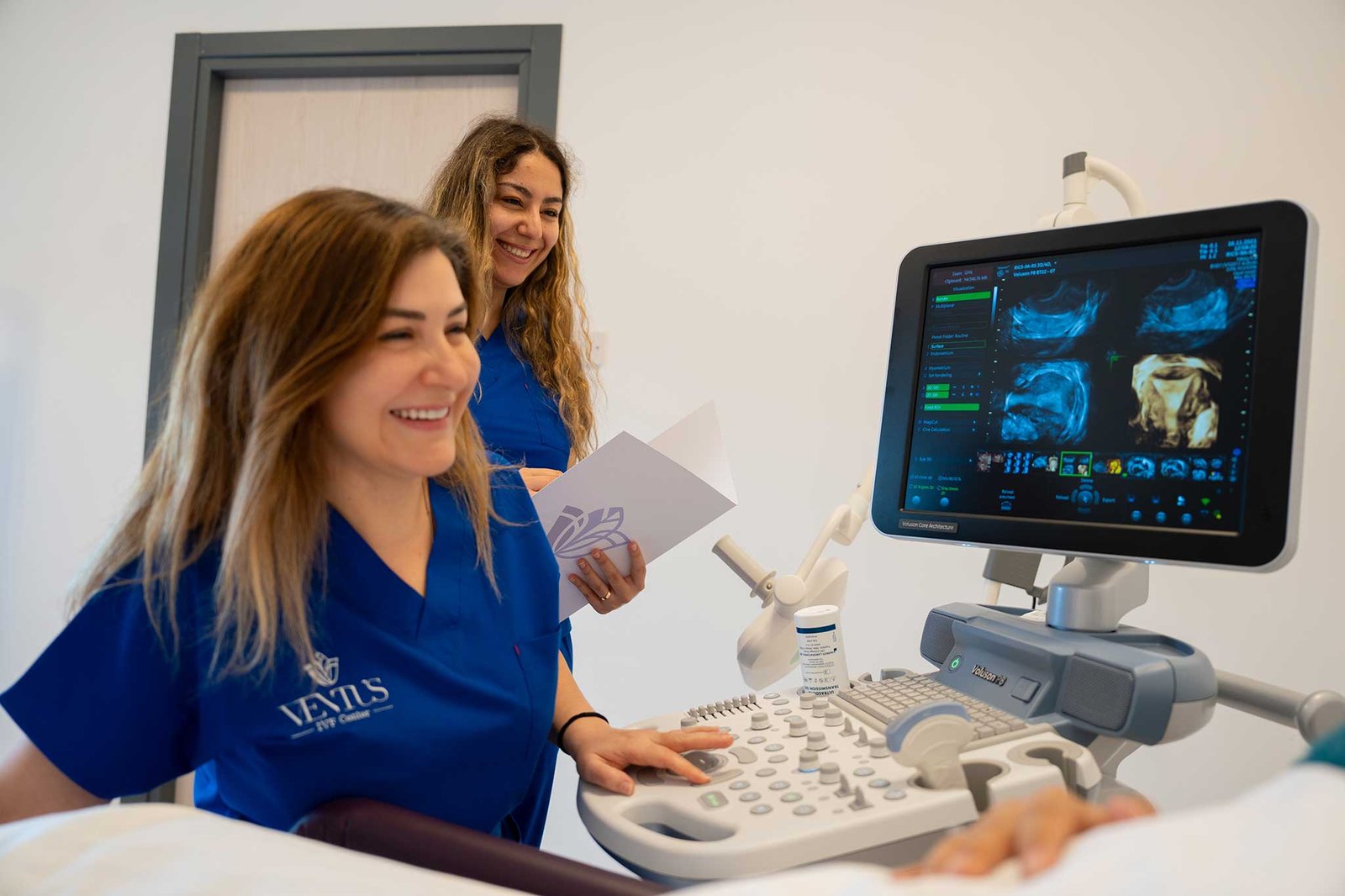
Understanding treatment can reduce uncertainty.
The sequence below describes a typical IVF/ICSI journey. The timeline may differ when frozen embryo transfer, genetic testing or additional preparation is needed.
Before treatment begins, the goal is not simply to “start medication”. Possible causes of infertility, ovarian reserve, uterine factors, sperm assessment, previous treatments and general health are reviewed together so the reason for selecting a particular protocol can be explained.
Each new piece of information during treatment—follicle growth, hormone response, the number of oocytes retrieved, fertilisation and embryo development—may affect the next step. The initial timeline is therefore a framework and may be adjusted to keep treatment safe and effective.
A good treatment plan starts with the right questions.
At the first consultation, we review not only test results but also your treatment history, timing needs and expectations.
AMH, antral follicle count and age help guide medication dosing and the expected ovarian response.
Sperm count, motility and morphology, together with previous fertilisation outcomes, may be considered when deciding between IVF and ICSI.
Ultrasound findings, the uterine cavity and conditions such as hydrosalpinx may affect the embryo-transfer plan.
Previous stimulation response, oocyte maturity, fertilisation and embryo development provide valuable information for planning a new protocol.
The main stages of IVF treatment
Each stage has a different purpose. The result of one stage may change the timing or method used in the next.
Initial consultation and personalised treatment plan
The medical histories of both partners, available tests, medications and previous treatments are reviewed. Any additional investigations are identified, and the reasons IVF, ICSI, donation or genetic testing may be considered are explained.
Period start and baseline assessment
On the planned treatment day, ultrasound and hormone tests are performed when indicated. The ovaries are checked for cysts or unexpected findings that might require treatment to be postponed.
Ovarian stimulation and close monitoring
Prescribed medications are used to support the development of multiple follicles. Follicle number and size are monitored, and medication doses and the next monitoring date may be adjusted according to response.
Trigger injection and egg collection
When follicles reach the appropriate maturity, a trigger injection is scheduled to time final oocyte maturation. Egg collection is performed at the specified time in the clinic, usually under sedation.
Sperm sample, fertilisation and ICSI
Oocytes are assessed for maturity in the laboratory. The sperm sample is prepared and conventional IVF or ICSI is performed as appropriate. Normal fertilisation is checked the following day.
Monitoring embryo development
Cleavage and blastocyst development are monitored in the embryology laboratory. Embryo quality, day of development, the clinical plan and any indication for genetic testing are considered together.
Transfer, luteal support and pregnancy testing
When appropriate, embryo transfer is performed or embryos are cryopreserved for a later cycle. Luteal support medication is continued as prescribed, and the pregnancy test is performed on the date given by the clinic.
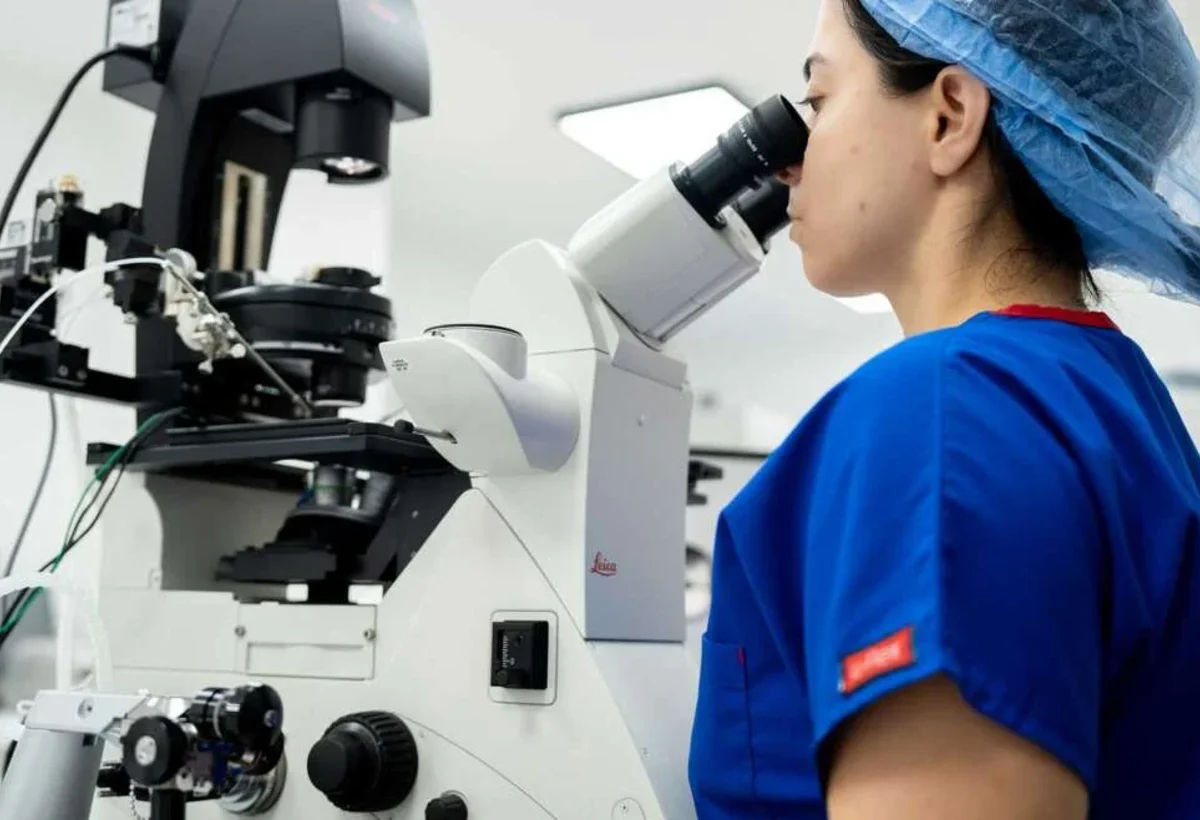
The number of oocytes retrieved is not the same as the number of embryos that will develop.
Not every aspirated follicle contains an oocyte; not every oocyte is mature; not every mature oocyte fertilises; and not every fertilised oocyte reaches the blastocyst stage. This natural biological attrition does not mean treatment has been performed incorrectly. Results should be interpreted stage by stage using the correct denominator.
- The numbers of oocytes retrieved, mature oocytes and normally fertilised oocytes should be discussed separately.
- Embryo development is assessed not only by appearance but also by developmental pace and clinical context.
- The transfer day and cryopreservation decision depend not only on embryo number but also on endometrial preparation and treatment safety.
- Laboratory outcomes are an important part of individual prognosis, but they do not guarantee pregnancy.
A change of plan does not necessarily mean something has gone wrong.
The treatment team’s aim is not to follow a prewritten schedule rigidly, but to make safe and appropriate decisions based on the information obtained during treatment.
Common reasons for plan changes
Medication dose, monitoring dates, egg collection or the transfer plan may be adjusted in the following situations.
- Follicles growing faster or slower than expected
- Reassessment of hormone levels for safety
- Increased risk of OHSS and consideration of a freeze-all strategy
- Endometrial preparation not being suitable for transfer
- Waiting for PGT results or requiring additional assessment
- Need for additional preparation of the sperm sample or laboratory plan
When should you contact your team?
The clinic will provide emergency contact instructions specific to you. In general, the following situations should be reported without delay.
- Worsening abdominal or pelvic pain
- Rapidly increasing abdominal swelling, shortness of breath or marked weakness
- Heavy bleeding, feeling faint or fever
- A missed or incorrectly administered medication dose
- Not taking the trigger injection at the scheduled time
- Swelling of the face, lips or throat suggesting an allergic reaction
There is no single answer to how many days IVF treatment takes.
Ovarian stimulation is a limited period for most patients, but initial assessment, genetic testing of embryos, frozen-transfer preparation or additional treatment may extend the overall timeline.
Completing investigations and creating an individual protocol.
Monitoring follicle development with medication and several ultrasound checks.
Monitoring fertilisation and embryo development after egg collection.
Medication and pregnancy-test timing according to the fresh or frozen transfer plan.
| Stage | Patient’s role | Clinic / laboratory role | Factors that may change the plan |
|---|---|---|---|
| Start | Share medical records and the medication list completely | Determine the appropriate protocol and safety checks | Missing tests, a cyst, infection or need for an additional consultation |
| Stimulation | Use medications at the correct dose and time | Monitor follicle and hormone response | Slow/rapid response, OHSS risk or dose adjustment |
| Egg collection | Follow fasting and timing instructions | Safe procedure, oocyte identification and laboratory documentation | Trigger timing error or anaesthetic assessment |
| Embryo and transfer | Continue medication and attend on the scheduled date | Embryo monitoring and transfer/cryopreservation planning | Embryo development, endometrium, PGT and clinical safety |
The sequence on this page is a general roadmap. Medication names, doses, monitoring frequency, egg-collection timing and transfer decisions must be determined by your treatment team.
Questions patients ask most often
These answers provide general information. Medication, monitoring and travel instructions from your own treatment team take priority.
On which day of the menstrual cycle does IVF treatment start?
The start day depends on the protocol and your clinical plan. Many stimulation protocols begin in the early days of the cycle, but pretreatment medication or alternative protocols may change the timing.
How long does IVF treatment take in total?
Ovarian stimulation and egg collection are completed within a relatively short treatment window for many patients. Pre-treatment investigations, embryo cryopreservation, PGT and frozen-transfer preparation may extend the overall timeframe.
Is a blood test required at every monitoring visit?
Not necessarily. Ultrasound is a main monitoring tool, while estradiol, progesterone or other hormone tests may be requested according to clinical need.
Do injections need to be taken at the same time every day?
For some medications, a time window is acceptable; for others, timing is more critical. The scheduled time for the trigger injection should be treated as exact. Follow the instructions on your prescription.
What should I do if I miss a dose?
Do not take a double dose on your own. Contact your clinic as soon as possible and provide the medication name, dose and length of the delay.
Is egg collection painful?
Egg collection is usually performed with sedation or anaesthetic support. Mild pelvic discomfort and spotting may occur afterwards; severe pain, heavy bleeding or fever should be assessed.
Is every retrieved oocyte mature?
No. The number of follicles, retrieved oocytes and mature oocytes are different measures. ICSI is performed only on oocytes that have reached the appropriate maturity.
Does ICSI mean all oocytes will fertilise?
No. ICSI is a laboratory technique that facilitates fertilisation, but normal fertilisation and subsequent embryo development depend on biological factors and cannot be guaranteed.
Is embryo transfer always performed in the same cycle?
No. Embryos may be cryopreserved and transferred in a later cycle because of OHSS risk, elevated progesterone, endometrial preparation, a PGT plan or other clinical reasons.
On which day is embryo transfer performed?
Cleavage-stage or blastocyst transfer may be considered according to embryo number and development, patient history and the laboratory plan. There is no single correct transfer day for every patient.
Can I work during IVF treatment?
Many patients can continue their usual daily activities. Rest may be needed on and after egg collection; individual advice is appropriate for heavy physical work, long-distance travel or increased OHSS risk.
Why should the pregnancy test not be done too early?
Testing too early may give a false-negative result, while some trigger medications may affect very early test results. The most reliable approach is to have a beta-hCG test on the date advised by the clinic.
When is a review performed if treatment is unsuccessful?
Once the outcome is clear, ovarian response, oocyte maturity, sperm, fertilisation, embryo development, transfer and uterine factors are reviewed stage by stage. A new plan should be based on the data from the whole cycle rather than a single result.
Is it normal to seek psychological support during IVF?
Yes. Uncertainty, frequent monitoring and waiting for results can be emotionally demanding. Seeking support is not a sign of weakness; it can be part of managing the process in a healthier way.
Key sources used in preparing this guide
These sources support the general medical framework. Each patient’s protocol, monitoring frequency and clinical recommendations may vary according to individual assessment.
Let’s connect the general information to your own treatment plan.
Your age, AMH result, semen analysis, previous attempts and treatment goals do not mean that the same timeline applies to you. Share your records so we can clarify which stages are relevant to your situation.