Blocked, damaged or surgically closed fallopian tubes can make natural fertilisation more difficult.
Ovulation Problems

IVF Treatments
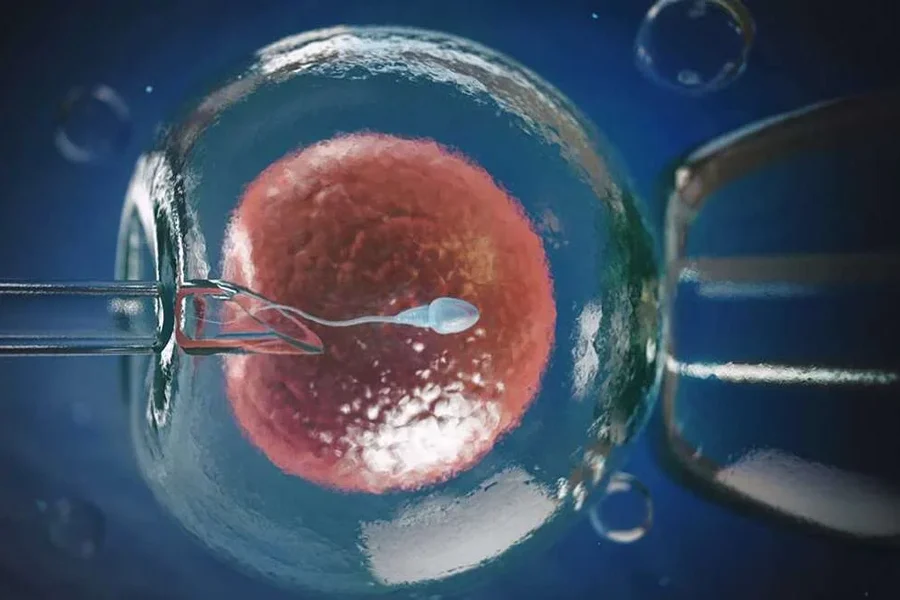
IVF treatment is a personalised assisted reproduction treatment involving controlled ovarian stimulation, fertilisation of collected oocytes with sperm in the laboratory, monitoring embryo development and transferring a suitable embryo into the uterus.

Understanding the Treatment
IVF stands for “in vitro fertilisation”. It is based on fertilisation taking place outside the body under controlled laboratory conditions.
Treatment does not progress in exactly the same way for every patient. Age, ovarian reserve, uterine anatomy, sperm characteristics, genetic history, previous treatments and current health are considered together when determining the protocol. When planning IVF treatment in Cyprus, it is important to plan not only egg collection and embryo transfer dates, but also pre-treatment investigations, medication use, where monitoring will take place, when you should travel to Cyprus and how follow-up will continue after treatment.
Initial assessment and personalised treatment protocol

Who May Be Suitable for IVF Treatment?
Fallopian Tube Problems
Ovulation Problems
Reduced Ovarian Reserve
Male Factor Infertility
Endometriosis
Unexplained Infertility
Unsuccessful IUI Attempts
Risk of Genetic Disease
Find out whether IVF may be suitable for you
Review My Test Results
What Is Done Before Starting IVF Treatment?
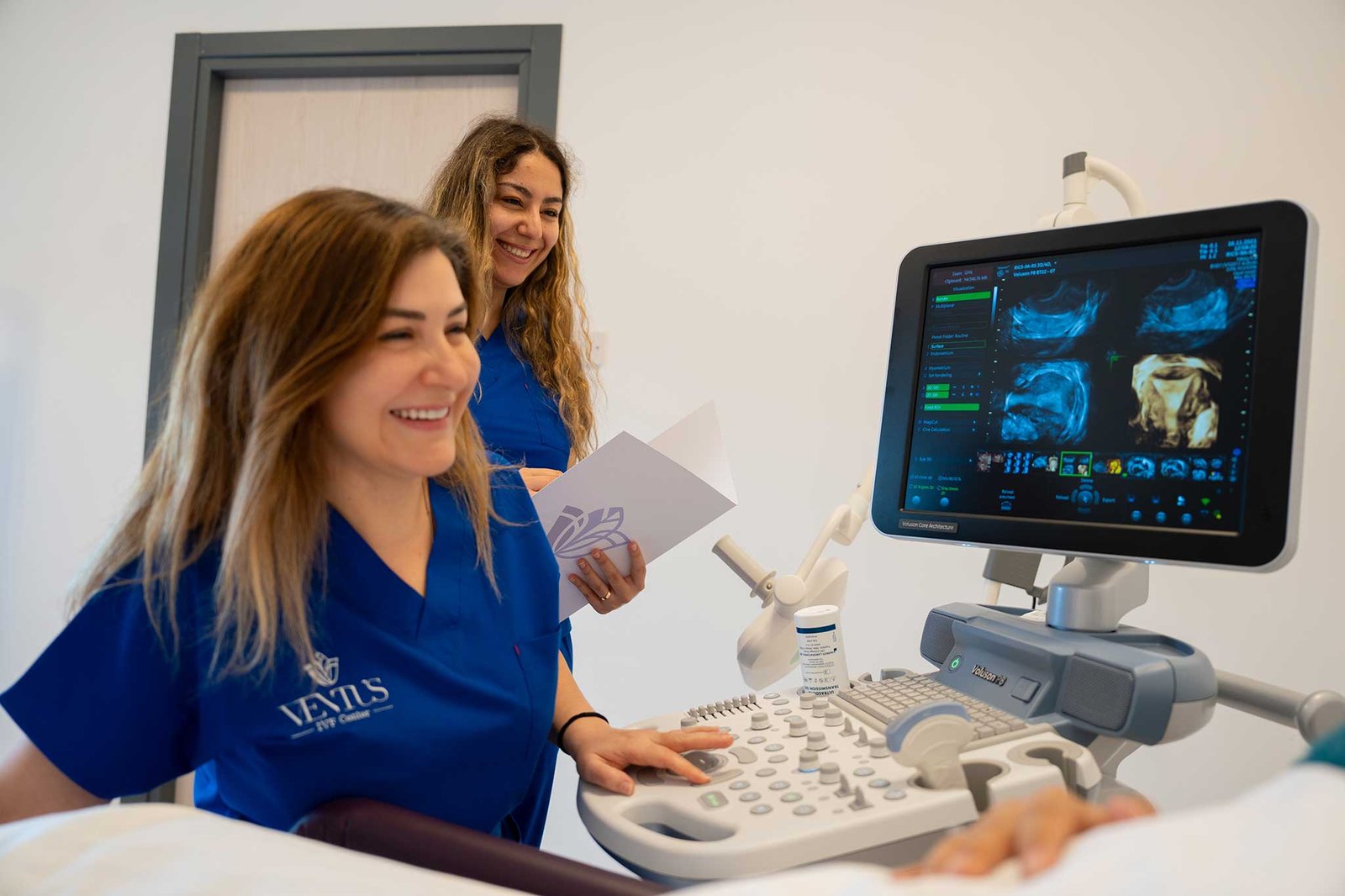
The treatment protocol is personalised according to ultrasound findings, hormone tests and medical history.
Initial Assessment for the Man
Shared Health and Medication Plan
01
02
03
Treatment Step by Step
How Is IVF Treatment Performed in Cyprus?
1
Medical file review · Personalised plan
Medication · Close monitoring
Follicle measurement · Timing
Clinical procedure · Short observation
IVF · ICSI when indicated
Embryo culture · Embryologist assessment
Transfer plan · Endometrial preparation
Beta-hCG · Remote follow-up
Plan My Schedule
How Long Does IVF Treatment Take?
Preparation
Initial assessment
Usually 10–12 days
Ovarian stimulation
Laboratory phase
Oocyte collection and embryo monitoring
According to the clinical plan
Transfer or freezing
These timeframes are approximate. Medication start date, oocyte collection time, transfer day and pregnancy test date must be determined by the team managing your treatment.
What Should You Pay Attention to During IVF Treatment?
Clinical monitoring and the laboratory process are complementary parts of the same treatment plan.
How Is Embryo Transfer Performed?
Before Transfer

During Transfer
After Transfer
What Happens After IVF Treatment?
Important
Medications should not be stopped without the doctor’s advice, even after receiving the pregnancy test result. If bleeding or pain occurs, the treatment team should be contacted without waiting.

No clinic or treatment method can guarantee pregnancy. The likelihood of success depends on the combined assessment of many personal and clinical factors rather than on a single technology or laboratory device.
Age is an important factor associated with the number of oocytes and, particularly, oocyte quality.
The number of oocytes that can be collected and the proportion of mature oocytes may affect the treatment plan.
Sperm concentration, motility, morphology and, when required, additional assessments may influence the choice of fertilisation method.
Fertilisation, cleavage pattern, developmental day and embryological assessment are considered when planning embryo transfer.
Uterine findings and the suitability of the endometrium for transfer are important parts of clinical assessment.
Smoking, body weight, chronic conditions and adherence to treatment may be associated with individual outcomes.
IVF Treatment Costs
IVF treatment costs in Cyprus vary according to the scope of treatment and the patient’s individual needs. For this reason, comparing clinics only on the basis of a single package price can be misleading.
Initial assessment and investigations
Rather than providing a standard price that may include unnecessary or incomplete procedures before reviewing your results, an individual treatment scope is prepared.
The purpose of technology is not to promise success on its own, but to support embryology assessment, sample traceability and standardisation of laboratory processes.
CAP-Accredited IVF Laboratory
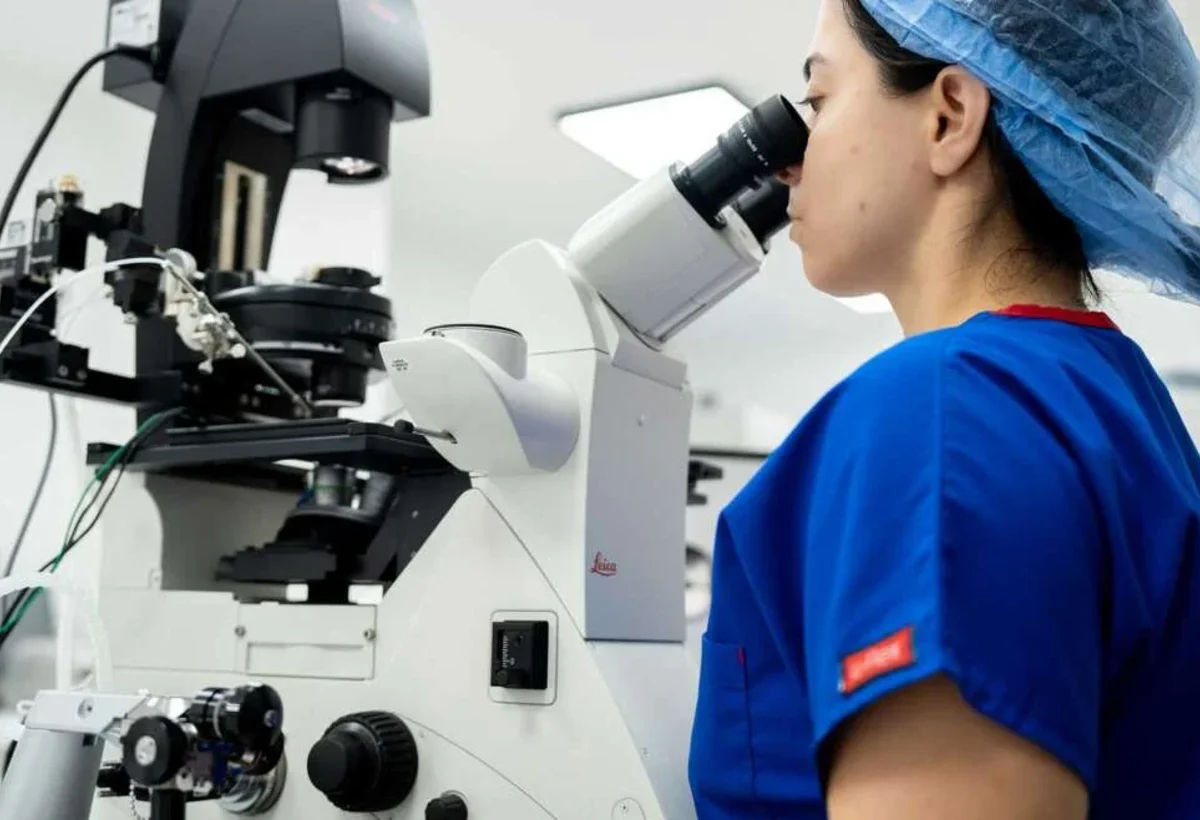
The CAP Reproductive Accreditation Program evaluates processes specific to reproductive laboratories, including patient identification, specimen labelling, gamete and embryo procedures, cryopreservation, staff competency and quality management.
The current certificate number and validity date should be displayed together with the certificate image.
24/7Continuous Monitoring with EmbryoScope+
AI-Assisted Embryo Assessment
Chip-Based Identification and Electronic Witnessing
VOC Control and Air Filtration
Quality Control and Traceability
ISO Quality Certifications
Reproductive laboratory quality system
To be verified with the current accreditation certificate.
ISO
Documented quality processes
Certificate list and validity dates to be added.
ID
Identity and sample traceability
The system and stages used will be verified by the clinic.
Multidisciplinary Approach
The Medical and Embryology Team in IVF Treatment
IVF treatment involves more than a doctor’s consultation. Clinical assessment, ovarian monitoring, laboratory procedures, embryo development and transfer planning require coordinated work between different specialists.
Assoc. Prof. Dr Beril Yüksel
 Treatment suitability, personalised protocol, clinical monitoring and embryo transfer planning.
 Embryology science, laboratory quality approach and scientific evaluation of treatment processes.
 Fertilisation, embryo culture, development assessment, laboratory safety and traceability processes.
Informed Decision-Making
What Are the Risks of IVF Treatment?
Although IVF is generally considered a safe treatment, there can be risks related to medications, oocyte collection and pregnancy. Individual risks should be explained by the doctor before treatment.
It can occur when the ovaries respond excessively to stimulation medication. Symptoms such as severe pain, rapidly increasing bloating, shortness of breath or reduced urination may require urgent assessment.
Transferring more than one embryo can increase the risk of multiple pregnancy. The number of embryos transferred should be planned in line with patient safety and current clinical practice.
Rare complications such as infection, bleeding or injury to surrounding tissues may occur after oocyte collection.
Ectopic pregnancy or miscarriage can also occur after IVF. Following beta-hCG after a positive test and performing ultrasound at the appropriate time are important.
Frequently Asked Questions About IVF Treatment in Cyprus
These answers are for general information. Personal treatment decisions should be based on examination, test results and specialist medical assessment.
There may be discomfort from injections and ovarian enlargement. Oocyte collection is usually performed under sedation. The experience of pain varies from person to person.
The length of stay depends on the protocol, where monitoring will be carried out, the oocyte collection date and whether a fresh or frozen transfer is planned. A personalised travel schedule should be prepared after your medical file is reviewed.
When follicles reach appropriate maturity, the final maturation injection is scheduled. Current Ventus source notes indicate that oocyte collection may be planned approximately 34–36 hours after this injection; the exact time is provided by the clinic.
In conventional IVF, oocytes and prepared sperm are placed together in the laboratory. With ICSI, the embryologist injects one selected sperm directly into the oocyte. The appropriate method is determined according to sperm and oocyte characteristics.
Transfer may be planned on one of the developmental days after fertilisation. Embryo number and development, clinical history and laboratory assessment influence the transfer day.
Prolonged bed rest is not routinely required for most patients. Your doctor may, however, make different recommendations depending on your individual health and procedure details.
No. Age, oocyte and sperm characteristics, embryo development, uterine factors and many individual variables affect the outcome. Success rates should be discussed according to age and treatment type.
The response to medication, number of oocytes collected, fertilisation, embryo development, transfer and endometrial preparation are reviewed together. The next plan does not necessarily have to repeat the same protocol.
Freezing all suitable embryos may be preferred when endometrial preparation is not optimal, to reduce OHSS risk, as part of a genetic testing plan or for other clinical reasons.
The conditions for using genetic tests and practices related to embryo selection must be evaluated in accordance with applicable current regulations and medical indications. Legal and medical information should be obtained from the clinic for individual circumstances.
The use of genetic testing and practices related to embryo selection must be assessed according to applicable current regulations and medical indications. Legal and medical information should be obtained from the clinic for individual circumstances.
Hormone tests, ultrasound, semen analysis and infection screening are commonly used assessments. Additional tests may be requested depending on age, medical history and previous results.
The test date is determined according to the developmental day of the transferred embryo and the clinical protocol. Testing too early can produce a false-negative or a misleading result related to medication.
Many patients can continue their normal daily activities. Individual restrictions may be recommended for physically demanding work, intense exercise or specific health conditions.
No. AI-based systems may analyse developmental data and provide decision support. Embryo assessment and clinical decisions remain the responsibility of the specialist embryology and treatment team.
Related Treatments
Explore laboratory, transfer, freezing and genetic procedures that may be relevant at different stages of an IVF journey.
Learn about the method in which one selected sperm is injected directly into the oocyte.
Explore Treatment→
Learn about preparation before transfer, the procedure day and follow-up after embryo transfer.
Explore Treatment→
Learn about endometrial preparation and personalised timing for frozen embryo transfer.
Explore Treatment→
Read about day-five embryos, blastocyst development and when blastocyst transfer planning may be considered.
Explore Treatment→
Explore freezing, storage and warming of suitable embryos for possible future use.
Explore Treatment→
Explore preimplantation genetic testing approaches used to assess embryos before transfer in selected genetic-risk situations.
Explore Treatment→
Let’s Plan the First Step Together
Share your medical results to receive initial information about missing assessments, treatment suitability, an estimated travel plan and the clinical process.

Editorial source approach:The IVF process and safety information has been prepared as an editorial draft aligned with HFEA, NHS and ESHRE patient and good-practice resources, while the CAP section is aligned with information from the CAP Reproductive Accreditation Program. Clinic-specific certification, technology and team information should be verified against current documents before publication.
HFEA IVF·
NHS IVF·
CAP Reproductive Accreditation Program·
ESHRE IVF Laboratory Guideline
This page is intended for general information and does not replace medical examination, diagnosis or personalised treatment advice. Treatment plans must be created individually by the specialist physician and embryology team.
Message us on WhatsApp for information about treatments, the process and planning your visit to Cyprus.