How it works
After IVF or ICSI, suitable embryos are vitrified on the selected day of development.

Embryo freezing is the vitrification and cryostorage of suitable embryos created through IVF or ICSI for possible future use in a frozen embryo transfer.
After IVF or ICSI, suitable embryos are vitrified on the selected day of development.
It may be used when suitable embryos remain after transfer, when a freeze-all strategy is indicated, when PGT is planned or when embryos are being preserved for a future sibling pregnancy.
Embryo development is monitored, stage and quality are documented, and identity checks are completed before cryostorage.
When future use is planned, the uterus is prepared, the embryo is warmed and, if viable, transferred.
Embryo freezing preserves suitable embryos created through IVF or ICSI for a possible future transfer cycle.
After fertilisation and embryo culture, embryos that meet developmental criteria are vitrified on the selected day. Embryo stage, quality assessment, identity record and storage location are documented in the laboratory system.
Embryo freezing is commonly used for suitable embryos remaining after a fresh transfer. In some patients, all suitable embryos may be frozen and fresh transfer deferred because of endometrial conditions, risk of excessive ovarian response, progesterone timing, a genetic-testing plan or other clinical reasons.
Embryos may be frozen at the cleavage stage or blastocyst stage. The day of vitrification depends on embryo number, developmental progression, laboratory protocol and individual treatment goals. Not every fertilised oocyte develops into an embryo suitable for freezing.
A separate frozen embryo-transfer cycle is planned for future use. The embryo is warmed and assessed for viability and, where relevant, re-expansion; the transfer decision depends on endometrial preparation and the embryo’s post-warming condition.
Both methods preserve reproductive material for future use; the key difference is whether fertilisation and embryo development have already occurred before freezing.
The egg and sperm sources have already been determined at the time of treatment.
The option to choose the sperm source in the future is preserved.
Because fertilisation and embryo development have already been observed, the number of embryos stored is known. However, uncertainty remains around post-warming survival, implantation, pregnancy and live birth.
The decision to freeze embryos is based on embryo number, suitability for fresh transfer, any PGT plan and future family-building goals.
Storage of suitable embryos remaining after a fresh transfer for possible future use.
Patients in whom fresh transfer is deferred because of excessive ovarian-response risk, uterine conditions or hormone timing.
Storage of embryos after biopsy while genetic-test results are awaited.
Patients accumulating embryos over more than one cycle because of reduced ovarian reserve or an individual genetic-testing plan.
People who choose embryo creation and storage for oncofertility purposes when timing and the sperm source are appropriate.
Families wishing to preserve embryos from the same retrieval for a possible future sibling pregnancy.
No. Embryos are selected for freezing according to fertilisation, cleavage, blastocyst development and morphological assessment and must meet the laboratory’s cryopreservation criteria.
The decision to freeze embryos depends not only on laboratory assessment but also on treatment goals and consent for future use.
Oocyte retrieval, sperm preparation and fertilisation method are individualised.
A day-3 or blastocyst-stage freezing strategy is selected according to embryo number and the laboratory plan.
If embryo biopsy is performed, embryos are usually frozen while test results are awaited.
Uterine factors, progesterone timing, OHSS risk and overall health are considered when deciding whether a fresh transfer is appropriate.
Decisions relating to storage, warming, transfer, disposal and possible future disagreements are documented in writing.
Storage duration, annual renewal and up-to-date contact information are documented.
Embryo freezing is planned after oocyte retrieval and fertilisation according to the embryo’s developmental stage.
Oocytes are collected after controlled ovarian stimulation and their maturity is assessed.
The partner’s sperm or another permitted sperm source is prepared in the laboratory.
Oocytes are fertilised using conventional IVF or ICSI according to sperm and oocyte characteristics.
Fertilised oocytes are monitored under appropriate incubator conditions.
Embryos are assessed according to development on day 3 or at the blastocyst stage.
The patient record, embryo-storage device and storage instructions are re-verified.
Suitable embryos are cryopreserved by vitrification.
Embryo stage, quality grade, date and tank location are entered into the laboratory record system.
Although vitrification itself is brief, creating embryos requires an IVF cycle followed by several days of laboratory culture.
The stimulation period before oocyte retrieval commonly lasts approximately 9–14 days.
Oocytes are received by the laboratory on the retrieval day.
Fertilisation is assessed the day after oocyte retrieval.
Embryo development is monitored for approximately 3–6 days depending on the freezing plan.
Suitable embryos are vitrified and placed into cryostorage on the selected day.
If ovarian stimulation and embryo creation are carried out in Cyprus, a plan of approximately 10–14 days is often required. There is no need to remain for an embryo transfer after a freeze-all cycle unless clinically advised.
There are several clinical and laboratory stages between embryo freezing and a future live birth.
It is strongly associated with the probability of chromosomal competence in the embryo.
Cleavage pattern, blastocyst development and laboratory grading are relevant.
Laboratory protocols can influence post-warming embryo survival.
When performed, PGT provides information about the specific chromosomal or genetic condition being assessed; it does not guarantee treatment success.
Endometrial development and progesterone timing should be synchronised with embryo stage.
Transfer technique, uterine conditions and health factors affecting pregnancy can influence outcomes.
Post-warming embryo survival does not mean implantation will occur. Embryo survival, clinical pregnancy, ongoing pregnancy and live birth are different outcomes.
Embryo-freezing costs are affected not only by vitrification but also by the treatment required to create embryos and the storage scope.
Ovarian stimulation, oocyte retrieval and fertilisation procedures.
Incubator use, laboratory culture duration and blastocyst culture when applicable.
Number of embryos vitrified, consumables and laboratory processing.
Embryo biopsy and genetic testing when clinically indicated or selected after counselling.
Initial storage period and subsequent annual renewals.
Endometrial preparation, embryo warming and frozen embryo transfer are planned separately.
Share your IVF records, embryo number and development information, any PGT plan and future transfer goals so the freezing and storage scope can be reviewed.
Developmental, identity and cryostorage records should be maintained for each embryo from culture through any future warming procedure.
Fertilisation, cleavage and blastocyst development are documented in laboratory records.
Oocyte, sperm, embryo-storage device and patient records are linked through multiple verification checks.
Vitrification and cryoprotectant steps appropriate to embryo stage are applied.
Each embryo group is recorded with a unique identity and documented tank location.
Liquid-nitrogen levels, equipment maintenance and emergency procedures are monitored.
Embryo viability and continued development are assessed before transfer.
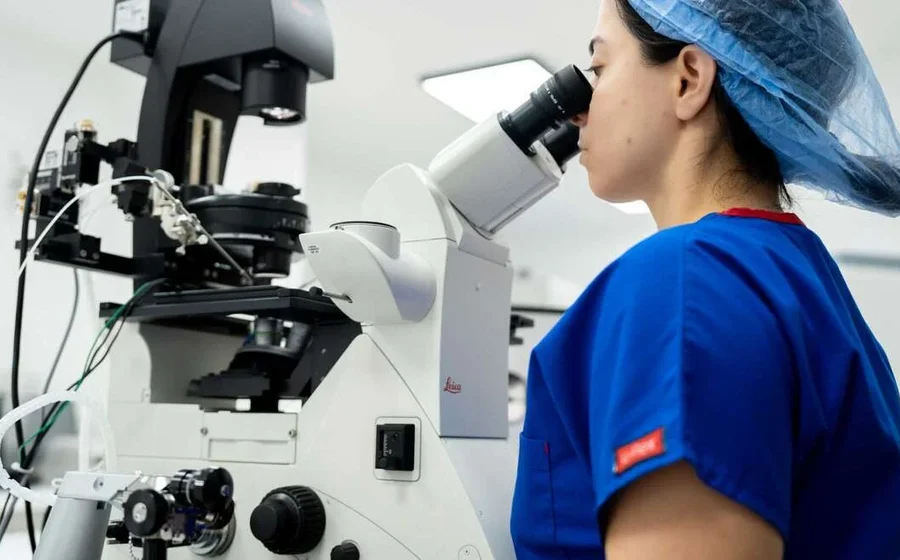
Embryo freezing requires coordinated management of the IVF protocol, fresh-transfer decision, embryo culture, vitrification and any future frozen-transfer plan.

Manages the IVF pathway, suitability for fresh transfer and planning for a future frozen embryo transfer.
View profile →
Supports the scientific framework for indications for embryo cryopreservation and treatment protocols.
View profile →
Coordinates embryo culture, quality assessment, vitrification, identity verification and cryostorage management.
View profile →Limitations can arise from the IVF process itself and from embryo freezing, warming and future transfer.
Even after oocyte retrieval, fertilisation may not occur or no embryo may develop to a stage suitable for freezing.
Although many vitrified embryos may survive warming, not every embryo remains suitable for use afterwards.
Even when genetic testing is performed, it cannot assess every possible condition or guarantee pregnancy outcome.
Future use of an embryo may depend on current consent from all relevant authorised parties and applicable legal requirements.
Transfer of more than one embryo can increase risks for the pregnant person and babies.
Successful warming of a frozen embryo does not guarantee implantation or live birth.
These answers provide general information. Embryo stage, any PGT plan, suitability for fresh transfer, consent and current storage requirements can change an individual plan.
It is the vitrification and cryostorage of suitable embryos created through IVF or ICSI for possible future use.
Embryos may be frozen to preserve suitable embryos remaining after fresh transfer, to use a freeze-all strategy when fresh transfer is not appropriate, while awaiting PGT results or for a possible future sibling pregnancy.
No. Only embryos meeting the laboratory’s developmental and quality criteria are frozen. Not every fertilised oocyte reaches a stage suitable for cryopreservation.
Depending on embryo number and development, freezing may be planned on day 3 or at the blastocyst stage on day 5 or 6.
No. Embryo freezing is the storage stage. Frozen embryo transfer is a separate later process involving endometrial preparation, embryo warming and transfer.
Long-term storage may be technically possible, but permitted duration, consent renewal, fees and future-use rules are determined by current regulations.
No. Only the embryo or storage unit required for treatment is warmed; other embryos may remain stored with appropriate consent.
No. High survival rates may be achieved with vitrification, but not every embryo survives warming.
Outcomes depend on age at oocyte retrieval, embryo characteristics, post-warming survival, endometrial preparation and transfer technique. Fresh and frozen transfer should be compared according to the individual clinical situation.
No. PGT is considered according to medical indication and individual circumstances. Embryos can be frozen without PGT.
Because genetic analysis takes time, biopsied embryos are commonly vitrified while results are awaited and a separate frozen-transfer cycle is planned afterwards.
Ovarian stimulation for IVF commonly takes approximately 9–14 days; after oocyte retrieval, embryos are monitored in the laboratory for around 3–6 days depending on the planned freezing stage.
Yes. Suitable stored embryos may be used in a future frozen embryo transfer, although a pregnancy or live birth cannot be guaranteed.
Laboratories use storage and distribution protocols according to risk-management procedures. Each embryo should have a unique identity and documented tank location.
It documents decisions relating to future transfer, continued storage, disposal and other situations governed by applicable rules.
If the IVF cycle used to create embryos is carried out at the centre, a plan of approximately 10–14 days is often required. No embryo transfer is performed after a freeze-all cycle.
Costs may be affected by IVF or ICSI, embryo culture, vitrification, the number of embryos frozen, embryo biopsy when PGT is performed and the included storage period.
No. Embryo warming, implantation, clinical pregnancy and live birth are separate stages, and none can be guaranteed.
Share your IVF records, embryo-development information, PGT decision and family-building goals so the day of freezing, storage scope and future transfer plan can be reviewed together.
This content is supported by professional guidance on embryo vitrification, freezing and warming, cryostorage safety, consent and future frozen embryo-transfer principles.
Message us on WhatsApp for information about treatments, the process and planning your visit to Cyprus.