
CAP-Accredited IVF Laboratory
The Ventus IVF embryology laboratory is accredited under the CAP Reproductive Accreditation Program, developed by the College of American Pathologists specifically for reproductive laboratories.
This framework brings critical laboratory processes—from patient identification and gamete and embryo handling to cryostorage and staff competency—into a structured, documented system that is subject to external assessment.
It is a living quality system built on defined procedures, traceable records, competent staff, regular inspection and continuous improvement.
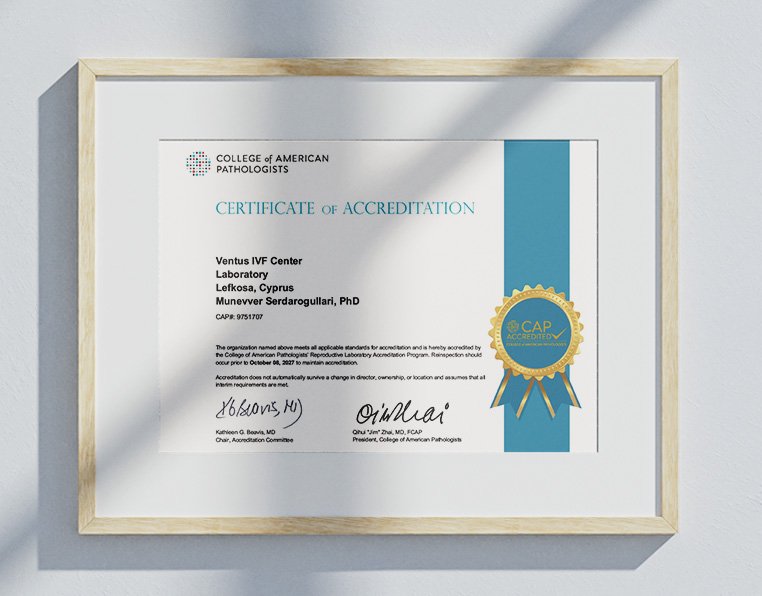
What is CAP accreditation?
CAP uses discipline-specific checklists that reflect the distinctive risks and workflows of reproductive laboratories. The programme assesses embryology, andrology, cryopreservation, reproductive cell and tissue storage, and laboratory quality management as an integrated system.
The laboratory is assessed not only on what it reports, but on its records and day-to-day practice.
Inspections within CAP’s reproductive laboratory programme are carried out by trained laboratory professionals familiar with the day-to-day workflow of the field.
Checklists are updated regularly to reflect current practice and technological developments.
Explore the CAP Reproductive Accreditation ProgramDiscipline-specific checklists
Processes specific to reproductive laboratories are assessed under criteria that are distinct from—and more detailed than—general laboratory standards.
On-site inspection
Laboratory records, procedures, equipment and practices are evaluated on site at defined intervals.
Ongoing compliance
Accreditation is not a one-day check; it is a cycle that requires self-inspection, documentation and ongoing compliance.
Competency assessment
Training, practical performance and continuing competency records for embryologists and laboratory staff form part of the quality system.
Greater control and traceability at the laboratory’s most critical stages
Patients may not see the laboratory’s day-to-day details. Yet identity verification, record integrity, environmental monitoring and procedural controls form the unseen infrastructure that supports safety throughout treatment.
Right patient, right specimen
Controlled matching of patient identity with oocyte, sperm and embryo records throughout laboratory procedures.
Traceable chain of records
Documenting which stage laboratory material has passed through, when it occurred and which authorised procedure was performed.
Cryostorage safety
Controlled management of storage tanks, temperature conditions, alarm systems, access and inventory records.
Controlled laboratory environment
Monitoring temperature, gas balance, air quality and environmental conditions that may affect embryo culture.
Defined procedural steps
Critical laboratory procedures are based on written protocols and authorisation rather than individual habits.
Structured response to deviations
Non-conformities are documented, their causes are assessed and measures are planned to reduce the risk of recurrence.
Quality is not a one-time approval; it is an ongoing cycle of inspection and improvement.
Within the CAP programme, on-site inspections are conducted as part of a two-year accreditation cycle. Between inspections, the laboratory is expected to continue self-assessment, competency, documentation and ongoing compliance activities.
Up-to-date checklists
Reproductive laboratory criteria are updated in line with new practices and technological developments.
On-site peer inspection
Trained professionals with practical laboratory experience assess processes and records on site.
Corrective action
Non-conformities identified during inspection require corrective action and supporting evidence.
Self-inspection and continuity
The laboratory is expected to assess and document compliance with standards between formal inspections as well.

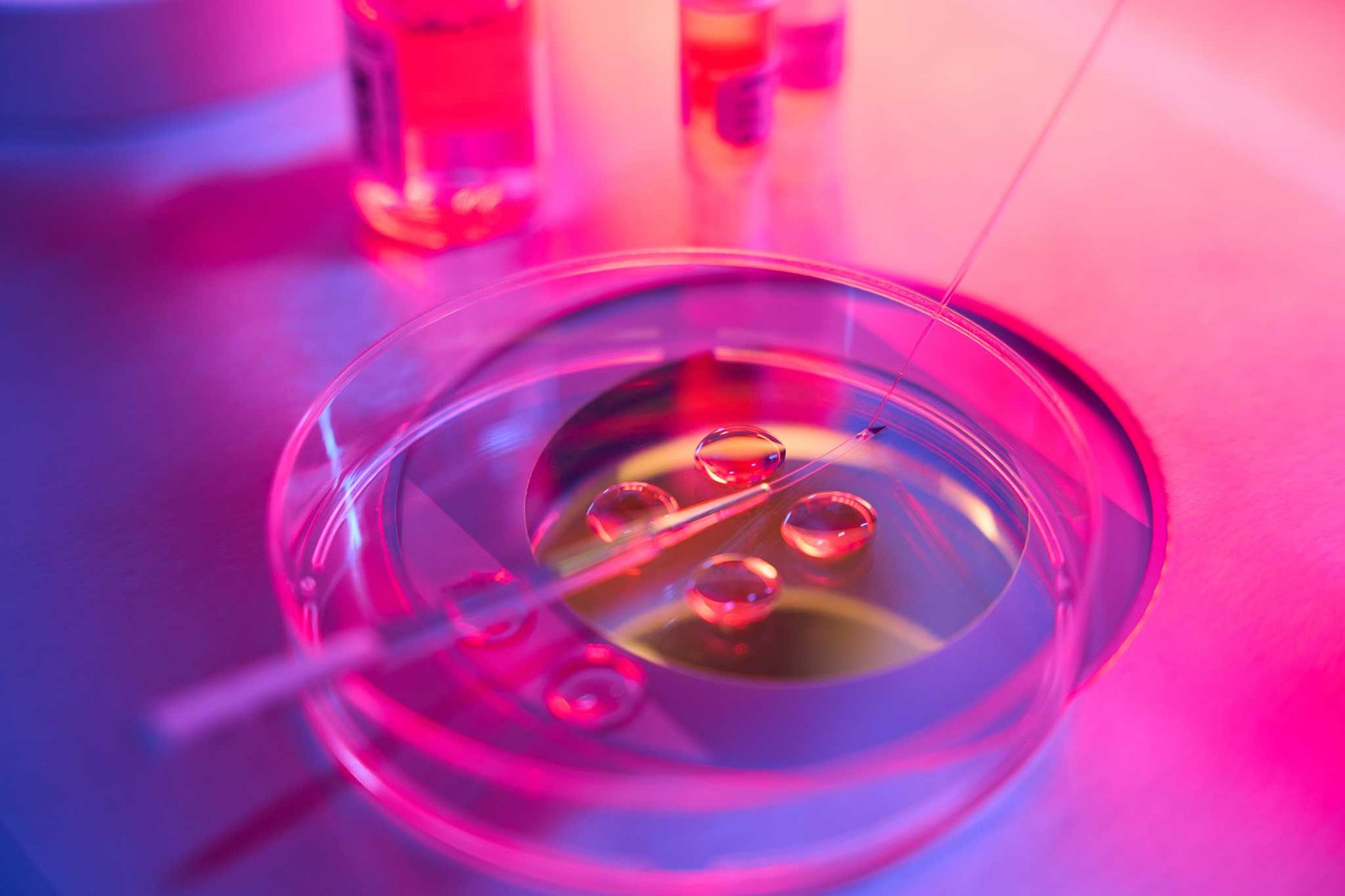
The value of accreditation is reflected in day-to-day practice.
At Ventus IVF, the CAP quality framework is integrated with electronic patient-identity matching, defined laboratory workflows, developmental imaging with EmbryoScope+, cryostorage monitoring and a controlled laboratory environment.
The aim is not to maximise the number of technologies, but to use each technology within the right procedures, documentation and expert assessment.
- Electronic matching of patients and laboratory material
- Traceable documentation for oocyte, sperm and embryo procedures
- Monitoring developmental images with EmbryoScope+
- Controlled management of cryostorage conditions and inventory
- Authorised staff, equipment control and document management
When choosing a fertility centre, consider not only your doctor but also the system in which your embryos will develop.
During your first consultation, you can ask our team directly about the scope of CAP accreditation, identity-verification systems, embryo-culture conditions, cryostorage and our approach to laboratory documentation.
What does CAP accreditation demonstrate—and what does it not guarantee?
Understanding what accreditation does and does not mean helps patients make treatment decisions based on transparent and realistic information.
It demonstrates that the laboratory operates within a framework of defined standards, documentation, inspection and risk management.
It provides a robust quality-assurance framework for systematically managing processes such as patient identification, material traceability, staff competency, equipment, cryostorage and quality management.
CAP accreditation does not guarantee pregnancy, a healthy embryo or a live birth.
Treatment outcomes depend on many variables, including age, oocyte and sperm characteristics, embryo development, genetic and uterine factors, and individual medical history.
Laboratory quality is an important part of treatment; however, the appropriate treatment approach and possible outcomes should only be considered after individual examination, investigations and specialist medical assessment.
Questions about CAP-accredited IVF laboratories
What does a CAP-accredited IVF laboratory mean?
It means that a reproductive laboratory has been assessed against CAP’s discipline-specific quality requirements in areas such as documentation, staff competency, equipment, gamete and embryo procedures, and cryostorage, and has met the applicable accreditation requirements.
Is CAP accreditation international?
CAP also operates accreditation programmes for laboratories outside the United States. International laboratories are subject to application requirements, external quality assessment, inspection and ongoing compliance requirements.
What does CAP assess in reproductive laboratories?
The programme may cover areas including embryology, andrology, cryopreservation, reproductive cell and tissue storage, patient identification, specimen labelling, staff competency and quality management.
How often does CAP inspect the laboratory?
In CAP’s reproductive laboratory programme, on-site inspections are conducted within a two-year accreditation cycle. Self-inspection and ongoing compliance activities continue between inspections.
Does CAP accreditation increase IVF success rates?
Accreditation does not promise a specific pregnancy or live-birth rate. It supports controlled, traceable processes and risk management. An individual patient’s chance of success varies according to clinical factors.
Does CAP accreditation completely eliminate the risk of embryo mix-ups?
No system can accurately be described as having absolutely zero risk. The CAP quality framework supports robust processes designed to reduce error risk through identity verification, labelling, documentation and traceability controls.
Does an electronic identity system replace CAP accreditation?
No. Electronic identity matching is an additional safety layer. CAP accreditation assesses a broader laboratory system, including staff, procedures, documentation, equipment, quality management and inspection.
How can I verify the scope of the CAP certificate?
You can review the certificate name, scope of accreditation, laboratory details, certificate or CAP number and current validity. During a consultation, you may also ask the Ventus IVF team to explain the certificate and its scope.
Can I ask about the laboratory before starting treatment?
Yes. During an online consultation, you can request detailed information about identity verification, embryo culture, EmbryoScope+, cryostorage, the laboratory environment and CAP accreditation.
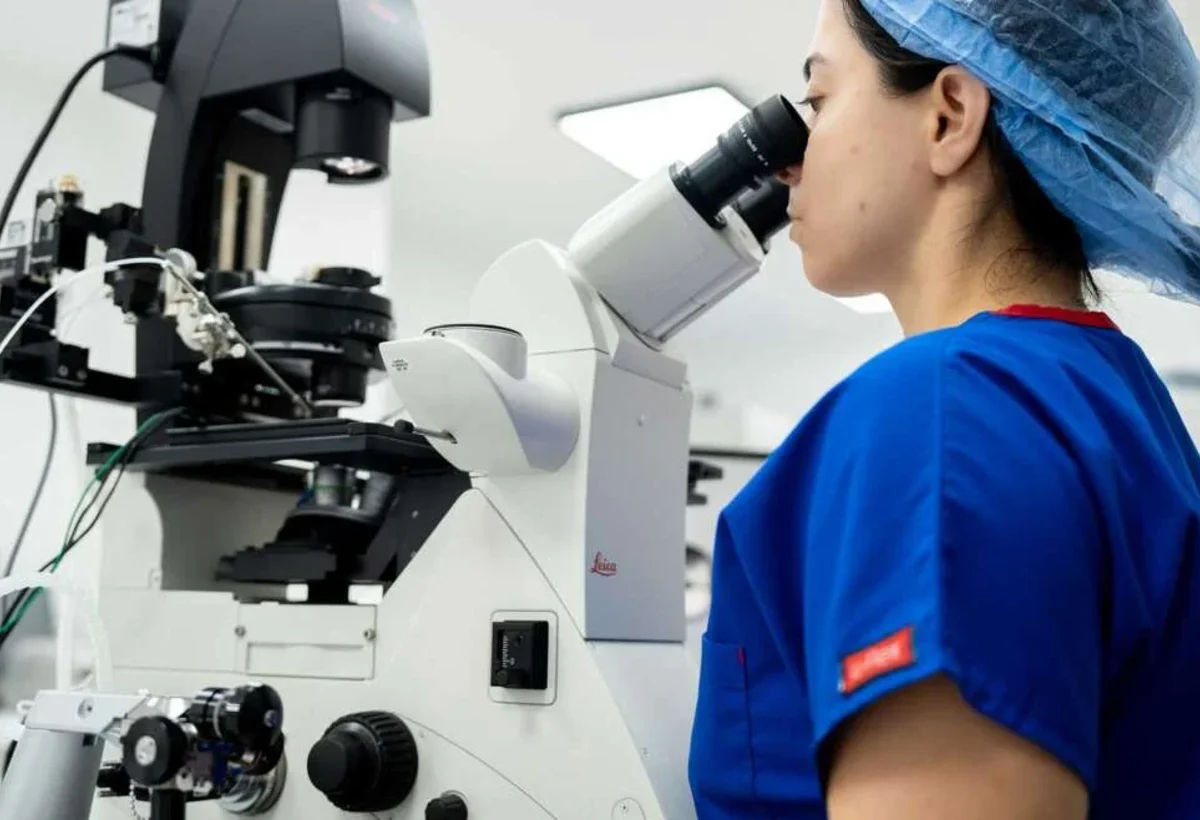
Begin treatment with a clear understanding of the laboratory stage.
Ask our team directly how procedures are monitored, under which conditions embryos develop and what the quality system means in day-to-day laboratory practice.