
Microfluidic Sperm Selection Technology
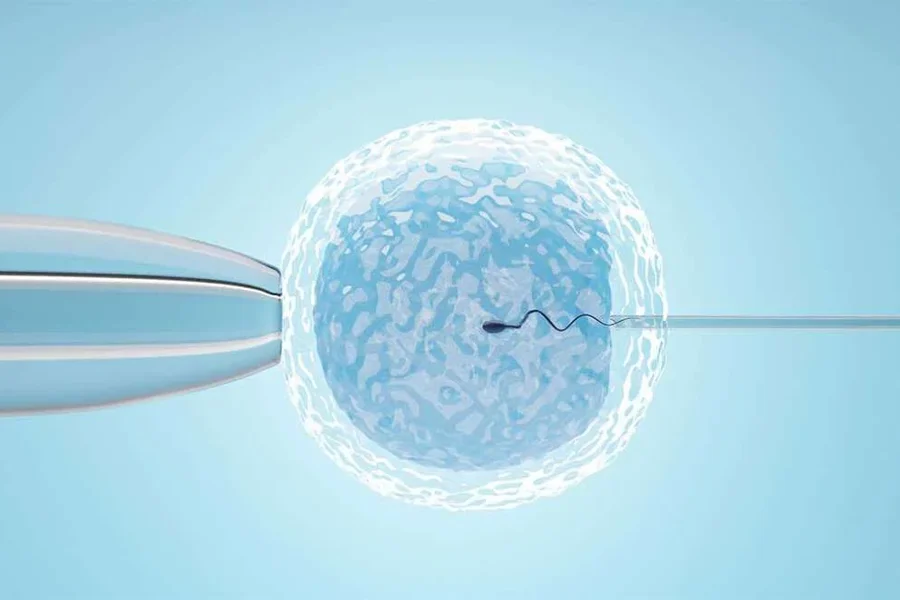
Microfluidic sperm-selection devices use very small channels to separate a motile sperm fraction with limited processing steps. They may be considered as an additional preparation method before ICSI in selected laboratory situations.
- Motility-based migrationMotile sperm move through microchannels into a collection area.
- Less centrifugationSome systems can reduce or avoid repeated centrifugation steps.
- Embryologist selectionThe final sperm used for ICSI is still selected by the laboratory specialist.
Microfluidic selection is not a genetic test and does not guarantee lower sperm DNA fragmentation, fertilisation, pregnancy or live birth in every patient.
 Microfluidics · Sperm preparation
The goal is not to call one sperm-selection method “best”, but to choose a laboratory approach appropriate for the sample.
Semen samples differ in concentration, motility, morphology and other characteristics. No single preparation method is optimal for every sample.
Microfluidic systems can offer a gentler, motility-based separation pathway in selected cases. The potential benefit should be interpreted alongside semen analysis, treatment history and the planned fertilisation method.
Physical microchannels
Motile sperm migrate through a defined microfluidic pathway.
Reduced processing
Some protocols use fewer centrifugation steps than conventional preparation.
Small sample workflow
The method can provide a selected fraction for microscopic review and ICSI.
Case-based use
Suitability depends on semen concentration, motility and the laboratory’s validated device.
What is microfluidic sperm selection?
Microfluidic sperm-selection devices contain microscopic channels that allow motile sperm to migrate into a collection area. The approach attempts to separate a usable sperm fraction using physical movement rather than relying only on centrifugation-based methods.
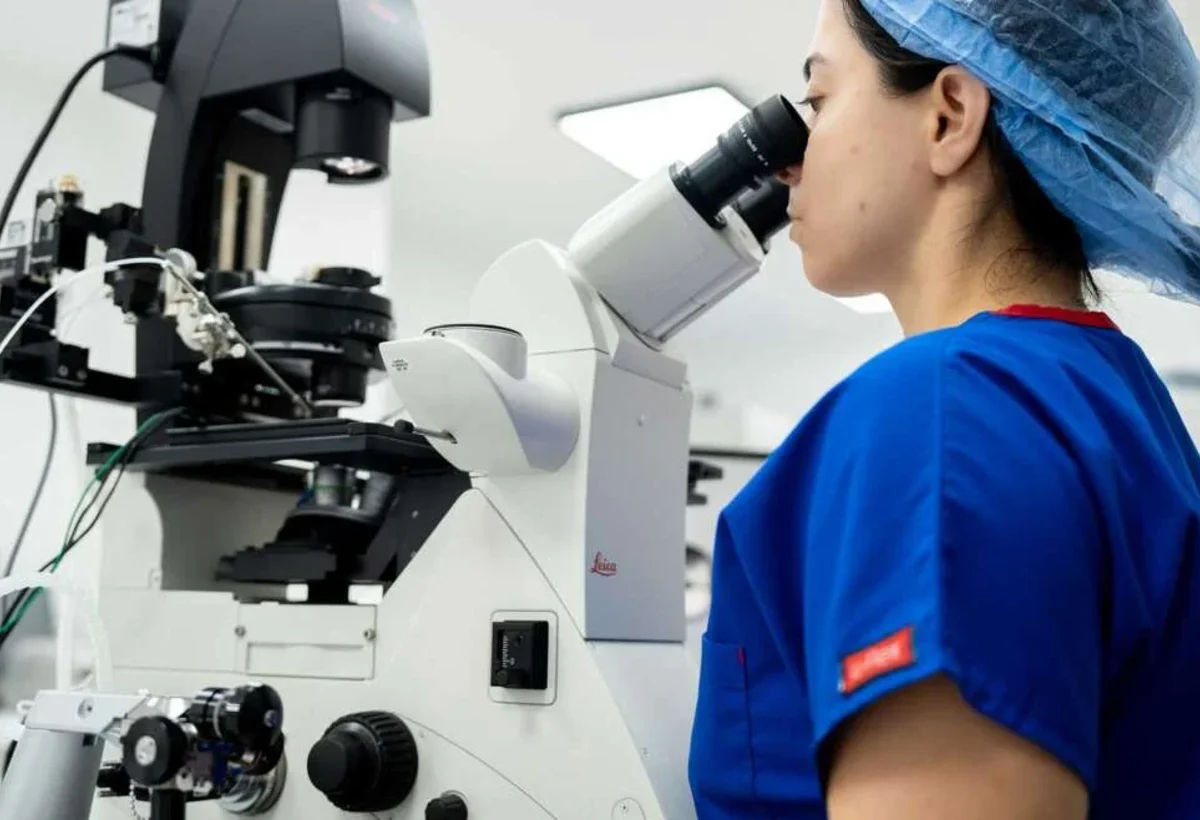
Different devices use different designs and sample requirements. The collected fraction is still evaluated by the embryologist, and the final sperm for ICSI is selected under the microscope according to the laboratory procedure.
Important distinction: a microfluidic device does not “repair” sperm DNA and does not prove that an individual sperm is genetically normal. Claims about DNA-fragmentation reduction or clinical outcomes should be interpreted according to the specific device and evidence.
The sample characteristics and the planned fertilisation method determine whether microfluidic preparation is useful.
A device may be technically suitable for one semen sample and inappropriate for another. Very low sperm concentration, poor motility or surgically retrieved sperm may require a different laboratory strategy.
Sample review
Concentration, motility and clinical history are assessed.
Device loading
A suitable semen aliquot is introduced into the microfluidic system.
Migration
Motile sperm move through the microchannels into the collection area.
ICSI selection
The recovered fraction is examined and the embryologist selects sperm for use.
How is microfluidic sperm preparation performed?
The exact protocol depends on the device. The general workflow is a controlled selection step followed by conventional microscopic assessment.
Semen sample is reviewed
Basic semen parameters and suitability for the device are checked.
The device is prepared
The microfluidic chamber is set up according to the validated protocol.
Sample is introduced
A defined volume is placed into the designated chamber.
Motile sperm separate
Sperm capable of moving through the channels enter the collection area.
Selected fraction is recovered
The recovered sperm fraction is collected without unnecessary additional handling.
Embryologist performs final selection
Individual sperm are still assessed microscopically before microinjection.
What information is considered before choosing a sperm-preparation method?
The choice of preparation method should start with the semen sample and treatment plan, not with the name of a device.
Evidence for laboratory markers such as DNA fragmentation does not automatically translate into a proven improvement in live-birth outcomes for every population.
Sperm concentration
Very low counts may limit the amount of sperm available for migration and recovery.
Motility
The method relies on sperm movement through the microfluidic pathway.
Morphology
The recovered fraction is still reviewed microscopically before ICSI.
Sample origin
Ejaculated and surgically retrieved samples may require different preparation strategies.
DNA fragmentation history
Previous testing may influence discussion, but the device is not a DNA test.
Previous treatment results
Fertilisation, embryo development and prior ICSI outcomes are considered with semen findings.
Conventional sperm preparation and microfluidic selection
Microfluidic sperm selection may improve some laboratory characteristics of the recovered sperm fraction, while evidence for a consistent live-birth advantage remains mixed.
Studies have investigated motility, oxidative stress and sperm DNA-fragmentation measures after microfluidic preparation. Results vary by device, comparator, patient population and study design.
For this reason, microfluidics should be used as a case-based laboratory option rather than marketed as a guaranteed method for producing genetically healthier sperm or better pregnancies.
The strongest practical rationale is a controlled motility-based preparation method that may reduce processing in suitable samples. Clinical benefit should be judged in the context of the couple’s complete treatment history.
Why do we state the limits clearly?
Not suitable for every sample. Very low concentration or motility may limit recovery.
Not a DNA test. It cannot prove that an individual sperm has normal DNA.
Laboratory markers are not clinical guarantees. A change in fragmentation measures does not guarantee pregnancy or live birth.
Device-specific evidence matters. Different microfluidic products should not be assumed to perform identically.
When may microfluidic sperm selection be considered?
Potential use depends on semen quality, previous results and the laboratory protocol. A conventional method may still be more appropriate in many cycles.
Selected ICSI cycles
It may provide a motile sperm fraction before microscopic ICSI selection.
Adequate motility
The method relies on sperm migration through microchannels.
Concern about processing stress
A lower-processing workflow may be discussed where clinically relevant.
Previous poor embryo development
It may be one consideration within a broader reassessment, not a stand-alone solution.
Elevated DNA-fragmentation history
The evidence can be discussed, while recognising that the device does not diagnose or repair DNA damage.
Individual laboratory planning
The embryologist can choose between conventional and microfluidic preparation according to the sample.
What does this technology not do?
Clear limits help prevent unrealistic expectations and keep laboratory information in the correct clinical context.
It does not guarantee selection of a genetically normal sperm.
It does not guarantee lower DNA fragmentation in every sample.
It does not guarantee fertilisation, embryo development, pregnancy or live birth.
It may not be suitable when sperm concentration or motility is very low.
It does not replace the embryologist’s final sperm assessment before ICSI.
At Ventus IVF, the semen sample determines the preparation strategy—not the popularity of a device.
We consider semen analysis, previous ICSI outcomes, sample origin and the clinical reason for treatment before choosing a preparation method.
When microfluidic selection is used, the recovered sperm fraction is still assessed by the embryology team before final ICSI selection.
Ask about your situationCommon questions about Microfluidic Sperm Selection Technology
These answers provide general laboratory information and do not replace personalised medical advice.
Ask about your situationIs microfluidic sperm selection the same as a sperm DNA test?
No. It is a physical separation method. It does not directly analyse the DNA of each selected sperm.
Does the method avoid centrifugation?
Some devices are designed to reduce or avoid centrifugation, but the exact workflow depends on the system and sample.
Can it be used for every semen sample?
No. Device-specific requirements for concentration, motility and sample volume may limit use.
Does it improve sperm DNA fragmentation?
Some studies report lower fragmentation in recovered fractions, but results vary and this does not guarantee a clinical benefit for every patient.
Is the final sperm chosen automatically?
No. The recovered fraction is examined and the embryologist selects sperm for ICSI.
Does microfluidic selection increase pregnancy rates?
Evidence is not strong enough to promise a universal increase. Suitability should be assessed individually.
Explore related technologies
Different laboratory technologies support different parts of assessment, safety, culture and cryopreservation.
Scientific sources and further reading
- Recent publication on microfluidic sperm-selection outcomes. Source ↗
- Study comparing microfluidic sperm sorting with conventional preparation. Source ↗
- Published evidence on microfluidics and sperm DNA fragmentation. Source ↗
- Recent study of microfluidic sperm-selection technology in assisted reproduction. Source ↗
Ask whether microfluidic sperm selection is technically appropriate for your ICSI plan.
Share your semen analysis, DNA-fragmentation results if available and previous fertilisation history so our team can explain the most appropriate preparation options.