
Gender Selection in North Cyprus and PGT: Legal Limits, Medical Indications and IVF Process
Gender selection is a commonly searched term for choosing an embryo according to chromosomal sex before transfer. In medical genetics, however, it is important to distinguish the biological information obtained from an embryo test from the decision to select an embryo according to that information.

PGT cannot be used simply for personal preference or family balancing.
Selected sex-linked genetic risks may be considered through the required official pathway.
Embryos must be created, cultured, biopsied and genetically analysed.
Monogenic disease testing and chromosome-number testing answer different questions.
What Is Gender Selection? Is It the Same as Determining Embryo Sex?
Search terms such as “gender selection”, “sex selection”, “baby gender selection”, “choose a girl”, “choose a boy” and “family balancing” are often used interchangeably. Clinically, they describe different ideas and should not be confused with one another.
Obtaining chromosomal-sex information
Genetic testing may produce information about the sex chromosomes; this does not by itself mean selection is being performed.
Selecting an embryo by chromosomal sex
Using that information to decide which embryo will be transferred is sex selection and is specifically restricted under TRNC Article 22.
Medical genetic prevention
In selected families, chromosomal sex may be medically relevant because of a serious inherited disorder, requiring a different clinical and legal assessment.
The ability of a laboratory to detect information relating to sex chromosomes does not mean a patient may use that information for elective girl/boy selection. The purpose for which the information is used is governed by law and medical indication.
“Gender selection” is the most common consumer search term. In genetics, the laboratory is analysing biological/chromosomal sex characteristics, not the future child’s social gender identity. This page uses “gender selection” for search clarity while explaining the medical distinction.
Is Gender Selection Legal in North Cyprus? What Does Article 22 Say?
The relevant rule is found in the Turkish-language TRNC regulation governing assisted reproduction centres and treatment methods. Article 22 specifically addresses the use of preimplantation genetic testing for sex selection.
English summary of Article 22
PGT may not be performed for the purpose of sex selection as a routine service. When sex selection is medically necessary, the centre may apply to the Coordination Board and, if permission is granted, the PGT pathway may be considered.
Personal preference / family balancing
Wanting a girl or a boy, having children of only one sex, or wishing to “balance” the family is a social preference and does not by itself create the medical-necessity exception.
- Girl selection by personal preference
- Boy selection by personal preference
- Family balancing
- Social or cultural preference
Medical necessity and Board permission
If a serious inherited condition is linked to chromosomal sex and sex information is genuinely relevant to reducing disease risk, a clinical/genetic assessment and official permission pathway may be considered.
- Confirm the genetic diagnosis
- Define the inheritance pattern
- Select the appropriate PGT strategy
- Complete the Coordination Board application
The official regulation is published in Turkish. This English page summarises the legal rule for patient information and is not an official translation. If any wording differs, the official Turkish text and current competent-authority practice prevail.
When Can Chromosomal Sex Be Medically Relevant?
The main medical context for discussing sex selection is a serious inherited condition whose risk is related to the sex chromosomes. Even then, modern reproductive genetics usually aims to identify the disease-causing variant itself rather than relying on chromosomal sex alone.
Why do X-linked conditions matter?
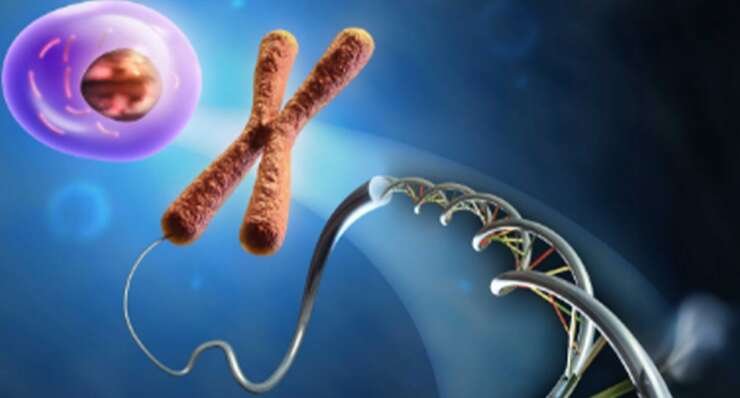
Some inherited disorders are caused by a pathogenic variant on the X chromosome. Risk may differ according to which parent carries the variant and the embryo’s chromosomal sex. Family history and molecular diagnosis are therefore essential before any PGT strategy is planned.
- The precise diagnosis in the affected family member
- Whether the intended parent is a carrier or affected
- The inheritance pattern: X-linked recessive, X-linked dominant or another model
- Whether a family-specific PGT-M assay can directly test the disease-causing variant
- Alternative prenatal testing and reproductive options
Haemophilia A / B
X-linked disorders in which a confirmed familial variant and inheritance pattern should be reviewed through genetic counselling.
Duchenne / Becker muscular dystrophy
DMD-related X-linked disorders where the family’s molecular diagnosis is more informative than sex alone.
Test the disease when possible
Where technically feasible, PGT-M is designed around the confirmed familial pathogenic variant.
Actual risk depends on the inheritance pattern and the family’s molecular result. Some female embryos may be carriers, and risk for male embryos varies according to the condition. Genetic counselling and disease-specific testing are therefore essential.
PGT-A vs PGT-M vs PGT-SR: What Is the Difference?
PGT-A, PGT-M and PGT-SR can all involve embryo biopsy, but they answer different genetic questions. There is no single universal laboratory test called a “gender selection test”.
PGT-A
Assesses embryo chromosome copy-number status. Sex-chromosome information may be generated, but using PGT-A solely for elective sex selection is prohibited under the TRNC framework.
PGT-M
A personalised test designed for a specific confirmed genetic condition in a family. In many sex-linked disorders, this is the key medical test.
PGT-SR
Assesses embryos from carriers of balanced translocations, inversions or other structural rearrangements for unbalanced chromosome content.
A monogenic disease may require PGT-M, a structural chromosome rearrangement may require PGT-SR, and some cases need a different customised genetic strategy. Test selection follows the genetic diagnosis.

Why Genetic Counselling Comes Before a Medically Indicated Sex-Selection Pathway
The first clinical question is not “Which sex would you like?” It is: “What inherited condition is present in the family, how is it inherited, and what embryo test can actually answer that question?”
- Review the family pedigree and affected relatives
- Confirm the molecular genetic result
- Review carrier testing and karyotypes where relevant
- Explain the recurrence risk for future pregnancies
- Determine whether customised PGT-M development is required
- Discuss test limitations and prenatal confirmation options
How Does Medically Indicated Gender Selection with PGT Work?
The exact genetic test, official permission process, IVF protocol and laboratory workflow depend on the family’s diagnosis. The sequence below explains the typical logic of the pathway.
Family and genetic history
Known disorders, affected relatives or children, previous pregnancies and genetic reports are reviewed.
Confirm the genetic diagnosis
The relevant pathogenic variant, carrier state or chromosome finding is verified from appropriate reports.
Assess medical necessity
The genetic and clinical team evaluates whether chromosomal-sex information is genuinely relevant to disease-risk reduction.
Select the PGT method
PGT-M, PGT-SR or another appropriate genetic approach is selected and laboratory feasibility is confirmed.
Coordination Board process
The medical-necessity file is prepared for the official Article 22 permission pathway.
Plan IVF / ICSI
Ovarian reserve, age, sperm assessment and expected embryo numbers guide the stimulation plan.
Egg collection and embryo culture
Eggs are collected, fertilised and embryos are cultured to the blastocyst stage where possible.
Embryo biopsy
A small number of trophectoderm cells are removed from suitable blastocysts for genetic analysis.
Vitrification and genetic analysis
Embryos are usually frozen while biopsy samples undergo the planned laboratory test.
Result counselling and transfer
Results are reviewed in their genetic and clinical context before a legally and medically appropriate transfer is planned.
Embryo Biopsy, NGS and Identity Control in a PGT Cycle
Reliable PGT depends on more than the sequencing platform. Embryo identity, biopsy technique, tubing of the correct cells, sample transfer and linking the genetic report back to the correct embryo form one continuous quality chain.
Embryo identity
Egg, sperm, embryo, biopsy tube and genetic report must remain linked to the correct patient.
Blastocyst biopsy
A limited sample of trophectoderm cells is removed while protecting the inner cell mass.
Sample handling
Biopsy cells are prepared and transferred to the genetics laboratory under controlled conditions.
NGS / analysis platform
NGS or another validated platform may be used depending on the genetic question and test design.
Vitrification
Embryos are commonly frozen while the genetic result is pending.
Report verification
The embryo code and genetic result are rechecked before transfer planning.

NGS is an analysis technology that may be used within PGT-A, PGT-M or PGT-SR workflows. The medical test is defined by the genetic question, not by the name of the sequencing technology.
How Accurate Is PGT? Can an Embryo Result Be Wrong or Inconclusive?
PGT should not be marketed as a 100% guarantee. A biopsy contains a small number of cells and the result is limited to the assay that was performed.
Mosaicism
Different cell populations within one embryo can make interpretation more complex than a simple normal/abnormal label.
No-result / insufficient DNA
Occasionally a biopsy does not generate a conclusive result and further counselling may be required.
Test scope
PGT answers the defined genetic question; it is not a universal test for every possible disease or developmental condition.
Technical limitations
Allele dropout, contamination, low DNA quantity and laboratory thresholds can affect interpretation.
Embryo competence
An embryo with a transferable genetic result may still fail to implant or result in miscarriage.
Prenatal follow-up
Routine prenatal screening and, when clinically indicated, diagnostic testing should still be discussed during pregnancy.
Gender Selection / PGT Cost in Cyprus: What Determines the Total Price?
In a medically indicated case, cost is not only the IVF cycle. Genetic work-up, customised PGT-M development where necessary, embryo biopsy, freezing and the official permission pathway may all affect the total scope.
| Stage | What happens? | What affects time / cost? |
|---|---|---|
| Genetic review | Family history, molecular diagnosis, carrier status and prior results are reviewed. | Missing family genetic information |
| PGT-M preparation | A family-specific test may need to be designed and validated. | Gene/variant complexity and laboratory protocol |
| Official permission | The medical-necessity file is prepared for the Article 22 pathway. | Application requirements and additional documentation |
| IVF / ICSI | Stimulation, egg collection, fertilisation and embryo culture are performed. | Age, ovarian reserve, medication and sperm factors |
| Biopsy + genetic test | Blastocyst biopsy, tubing, analysis and reporting are completed. | Number of embryos and test type |
| Freezing + transfer | Embryo storage, endometrial preparation and transfer are planned. | Storage duration and transfer protocol |
Clarify the genetic question before asking for a package price
“Gender selection cost Cyprus” can refer to very different clinical pathways. A family needing customised PGT-M is not equivalent to a standard PGT-A cycle.
Share your existing genetic reports and IVF history so the correct test can be identified first.
Review my filePGT and Medically Indicated Sex Selection: What Determines Success?
“Success rate” can mean different things: reaching blastocyst, obtaining a conclusive PGT result, finding an embryo that meets the medical genetic criteria, implantation, clinical pregnancy or live birth.
Egg age
A major determinant of egg number, embryo development and chromosomal competence.
Blastocyst development
Not every fertilised egg develops to a stage suitable for biopsy.
Inheritance probability
The disease’s inheritance pattern affects how many embryos may meet the target genetic criteria.
Uterine and transfer factors
A genetically suitable embryo still cannot guarantee implantation or live birth.
Egg collection, fertilisation, blastocyst development and genetic result are consecutive filters. This possibility should be discussed before treatment, particularly with advanced maternal age or genetic conditions in which only a proportion of embryos are expected to be suitable.
Gender Selection Myths: Chinese Calendar, Diet, Intercourse Timing and Sperm Sorting
Popular methods are frequently mixed together with IVF genetics online. They should be separated clearly.
“Timing intercourse selects a boy or girl.”
No clinically accepted method shows that timing intercourse around ovulation reliably selects a baby’s sex.
“The Chinese gender calendar can choose sex.”
The Chinese gender calendar is not a medical or genetic selection method and should not be compared with PGT.
“Diet or pH can select a girl or boy.”
Special diets, supplements or attempts to alter vaginal pH are not accepted clinical methods for reliable sex selection.
Sperm sorting ≠ PGT
Sperm-separation technologies differ from embryo biopsy and PGT. Legal applicability must still be assessed separately.
NIPT does not select an embryo
NIPT is performed after pregnancy begins and may provide fetal sex-chromosome information; it is not preimplantation selection.
Ultrasound is not sex selection
Ultrasound may provide information about fetal sex later in pregnancy; it cannot choose an embryo before implantation.
Which Documents Are Useful for a Medically Indicated PGT / Sex-Selection Assessment?
The most useful records are those that establish the family’s actual genetic diagnosis.
- Molecular genetic report for the affected family member
- Carrier / pathogenic-variant result for the intended parent
- Karyotype or chromosome-analysis reports
- Genetic diagnosis from a previous affected pregnancy or child
- Previous genetic-counselling report and pedigree
- Previous IVF / ICSI treatment summaries
- Previous PGT and embryology reports
- AMH / ovarian-reserve and ultrasound assessments
- Semen analysis and relevant male-factor records
- Any additional identity or official documents requested during the Article 22 process
Gender Selection in North Cyprus and PGT: Frequently Asked Questions
Common questions about gender/sex selection law, family balancing, PGT-M, PGT-A, X-linked disorders, IVF, embryo biopsy, cost, success rates and international patients.
What is gender selection?
“Gender selection” is a commonly searched term for choosing an embryo according to chromosomal sex before transfer. In medical genetics, it is more precise to distinguish chromosomal sex information from the social concept of gender.
Is gender selection legal in North Cyprus?
Article 22 of the TRNC assisted reproduction regulation prohibits using preimplantation genetic testing for sex selection as a routine purpose. An exception may be considered when sex selection is medically necessary and the centre applies to the Coordination Board and obtains permission.
Can I choose a girl or a boy in Cyprus for family preference?
Personal preference for a girl or a boy, including family balancing, is not the medical-necessity exception described in Article 22. The page should therefore not be interpreted as an offer of elective family-balancing treatment.
Is family balancing allowed in North Cyprus?
Family balancing or choosing an embryo because previous children are of one sex is a social preference rather than a medical indication. Under the Article 22 framework, elective sex selection is not a routine permissible use of PGT.
What does medical necessity mean in sex selection?
Medical necessity may arise where a serious inherited condition is linked to chromosomal sex and sex information is genuinely relevant to reducing the risk of an affected pregnancy. The genetic diagnosis, inheritance pattern and appropriate PGT strategy must be assessed individually.
Which genetic diseases may make chromosomal sex medically relevant?
Some serious X-linked disorders can have different risks according to chromosomal sex. Examples include haemophilia A/B and Duchenne muscular dystrophy, although modern PGT-M aims where possible to test the specific disease-causing genetic variant rather than relying on sex alone.
Is PGT-M the same as gender selection?
No. PGT-M is a personalised test for a specific confirmed monogenic condition in a family. Sex selection is choosing an embryo according to chromosomal sex. The two may be related in selected X-linked disease cases, but they are not the same procedure.
Can PGT-A show embryo sex?
PGT-A may generate information about the sex chromosomes as part of chromosomal analysis. That does not mean the information can legally be used for elective sex selection. The purpose of testing and embryo selection remains subject to the TRNC legal framework.
Can PGT-A be done only to choose the baby's sex?
No. Article 22 prohibits PGT for sex selection as a routine purpose. PGT-A is an aneuploidy test, not a stand-alone elective sex-selection service.
Does sex selection require IVF?
Embryo-level PGT requires eggs to be collected, embryos to be created using IVF or ICSI, embryos to be cultured and suitable embryos to undergo biopsy. Therefore PGT-based embryo selection is an IVF laboratory process.
Why may ICSI be used in a PGT cycle?
ICSI may be preferred in some PGT programmes, including to reduce potential contamination from external sperm cells around the oocyte/embryo. The fertilisation method should be decided by the clinical and laboratory team.
When is an embryo biopsy performed?
In contemporary PGT practice, biopsy is commonly performed at the blastocyst stage. A small number of trophectoderm cells are removed, the embryo is usually vitrified, and transfer is planned after the genetic result is available.
How is embryo sex identified?
Chromosomal sex information can be inferred from genetic data relating to the sex chromosomes. However, human sex development can be more complex than a simple XX/XY label, and results should be interpreted clinically.
Is PGT 100% accurate for embryo sex or genetic status?
No laboratory test should be presented as an absolute guarantee. Mosaicism, sample quality, technical limits and the scope of the assay can affect interpretation. Appropriate prenatal screening or diagnosis may still be discussed after pregnancy.
Does PGT guarantee a healthy baby?
No. PGT answers a defined genetic question. It does not exclude every genetic condition, congenital anomaly or pregnancy complication and does not guarantee implantation, pregnancy or live birth.
Is prenatal testing still needed after PGT?
Because PGT does not test for every possible condition and is based on a biopsy sample, routine prenatal screening and, where clinically indicated, diagnostic options such as CVS or amniocentesis should be discussed.
How long does a medically indicated PGT/sex-selection pathway take?
Timing depends on whether the family’s genetic diagnosis is already confirmed, whether customised PGT-M development is required, the official permission pathway, IVF stimulation, blastocyst development, biopsy and genetic laboratory turnaround.
How much does gender selection cost in Cyprus?
A single package price can be misleading. Costs may include IVF/ICSI, medication, embryo culture, biopsy, the specific genetic test, custom PGT-M development, freezing/storage, embryo transfer and any required official procedures.
What is the success rate of PGT and medically indicated sex selection?
There is no single success percentage. Egg age and ovarian reserve, sperm factors, number of eggs collected, blastocyst development, the probability of obtaining an embryo with an appropriate genetic result, uterine factors and transfer all affect the pathway.
How many embryos are needed for PGT and sex-linked disease prevention?
There is no fixed minimum. Depending on the inheritance pattern, maternal age and embryo development, not every embryo will be suitable for transfer. The expected number of embryos should be discussed realistically before treatment.
Can the Chinese gender calendar, timing intercourse or diet select a baby's sex?
No clinically accepted method has shown that the Chinese gender calendar, timing of intercourse, special diets, supplements or pH manipulation can reliably select a baby's sex. These should not be confused with PGT.
Is sperm sorting the same as PGT gender selection?
No. Sperm-separation approaches and embryo-level PGT are different laboratory methods. Technical availability of any method does not determine whether its use for sex selection is legally permissible in the TRNC.
Can NIPT be used for gender selection?
No. NIPT is performed after pregnancy has begun and may provide information about fetal sex chromosomes. It does not select an embryo before implantation.
Can ultrasound be used for sex selection?
No. Ultrasound may provide information about fetal sex later in pregnancy; it is not an embryo-selection method.
Can international patients apply for gender selection in North Cyprus?
International patients may request a genetic assessment, but clinical applicability remains subject to the TRNC legal framework, documented medical necessity and required permission. The fact that a patient travels from another country does not remove these requirements.
What documents are useful for a medical PGT/sex-selection assessment?
Useful records include the affected relative’s molecular genetic report, parental carrier or diagnostic reports, karyotype results, genetic reports from a previous affected pregnancy or child, and previous IVF/PGT records.
Can genetic counselling be done online before travelling?
Yes. Existing genetic reports and family history can be reviewed remotely for an initial assessment. The final test strategy, technical feasibility, medical indication and legal eligibility are determined after the full file is reviewed.
If Your Family Has a Sex-Linked Genetic Disorder, Start by Defining the Genetic Risk Correctly
Share confirmed genetic reports, carrier results or records from an affected child or pregnancy. The appropriate PGT strategy, technical feasibility and the TRNC legal pathway can then be discussed according to your individual file.