
Ventus IVF Quality and Accreditations
Some of the most sensitive stages of IVF treatment take place in the laboratory. For this reason, we approach quality not only through outcomes, but through defined processes, structured documentation, identity verification, staff competency, environmental controls and continuous improvement.
An international accreditation framework supporting laboratory processes assessed against independent quality criteria and external evaluation.


What does CAP accreditation mean for patients?
The reproductive laboratory accreditation programme administered by the College of American Pathologists evaluates critical areas such as patient identification, specimen labelling, gamete and embryo procedures, cryostorage conditions, staff competency and quality management against discipline-specific criteria.
Defining quality internally matters, but so does being able to assess it through external review.
The CAP programme looks beyond laboratory equipment to how processes are defined, how records are maintained, how staff competency is assessed and how risks are managed.
Explore our CAP laboratory pagePatient identification and labelling
A controlled documentation approach designed to support correct matching of the patient, specimen and procedure.
Gamete and embryo procedures
Oocyte, sperm and embryo procedures carried out using defined procedures and traceable records.
Cryostorage safety
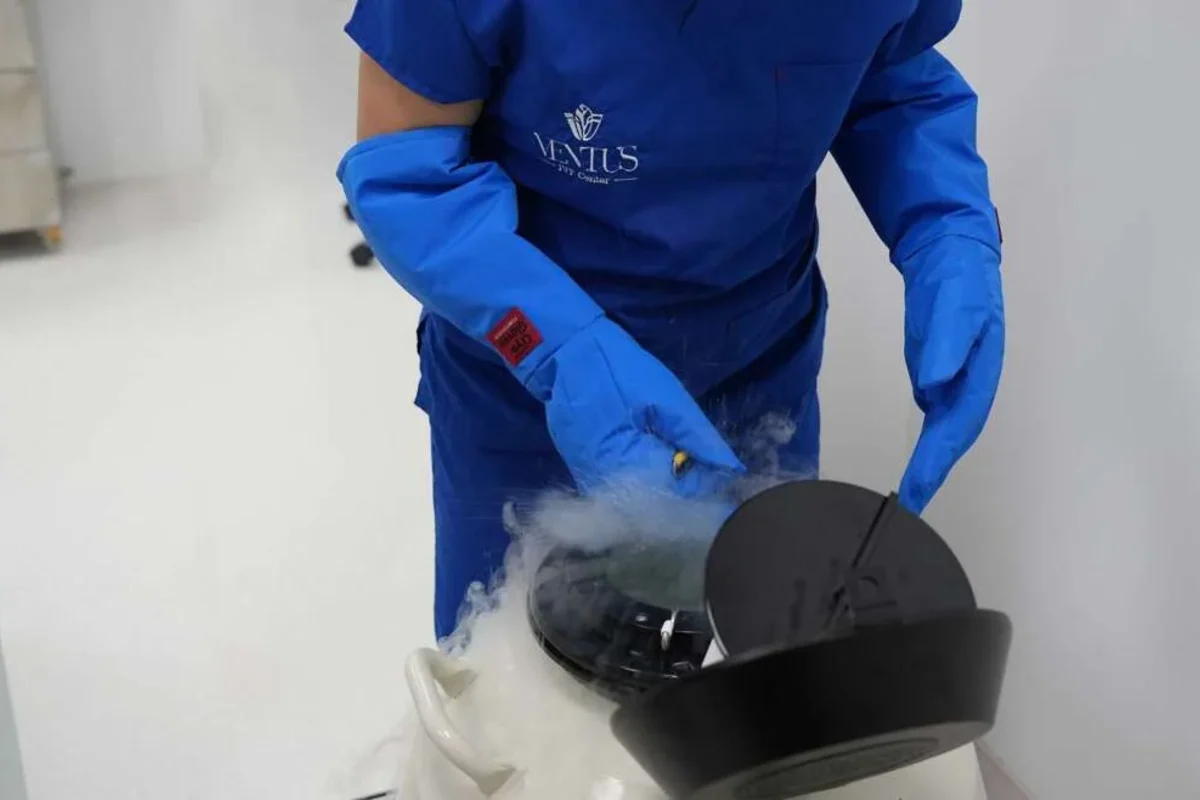
Storage conditions, tank monitoring, documentation and risk management form part of the quality system.
Staff competency
Monitoring the training, practical performance and ongoing competency assessments of embryology and laboratory staff.
IVF outcomes depend on many variables including age, oocyte and sperm characteristics, embryo development, uterine factors, genetics and individual medical history. Accreditation does not guarantee an outcome; it provides a robust framework for process quality and risk management.
A quality system lives in every step of the process, not only on a certificate displayed on the wall.
These controls, often unseen by patients, support the laboratory’s daily workflow, record integrity and coordination between teams.
Electronic identity matching
A matching approach that provides an additional safety layer for identity verification and laboratory traceability.
Defined workflows
Critical procedures are based on written, team-wide protocols rather than individual habits.
Quality-control records
Equipment, environmental and process indicators are monitored, with deviations documented and assessed.
Continuous developmental imaging
EmbryoScope+ supports monitoring of embryo-development images without routinely removing embryos from the culture environment.
Controlled laboratory environment
Air filtration, environmental conditions and laboratory-use protocols are managed to support the embryo culture environment.
Continuous improvement
The focus is not only on correcting non-conformities, but also on investigating their causes and reducing the risk of recurrence.
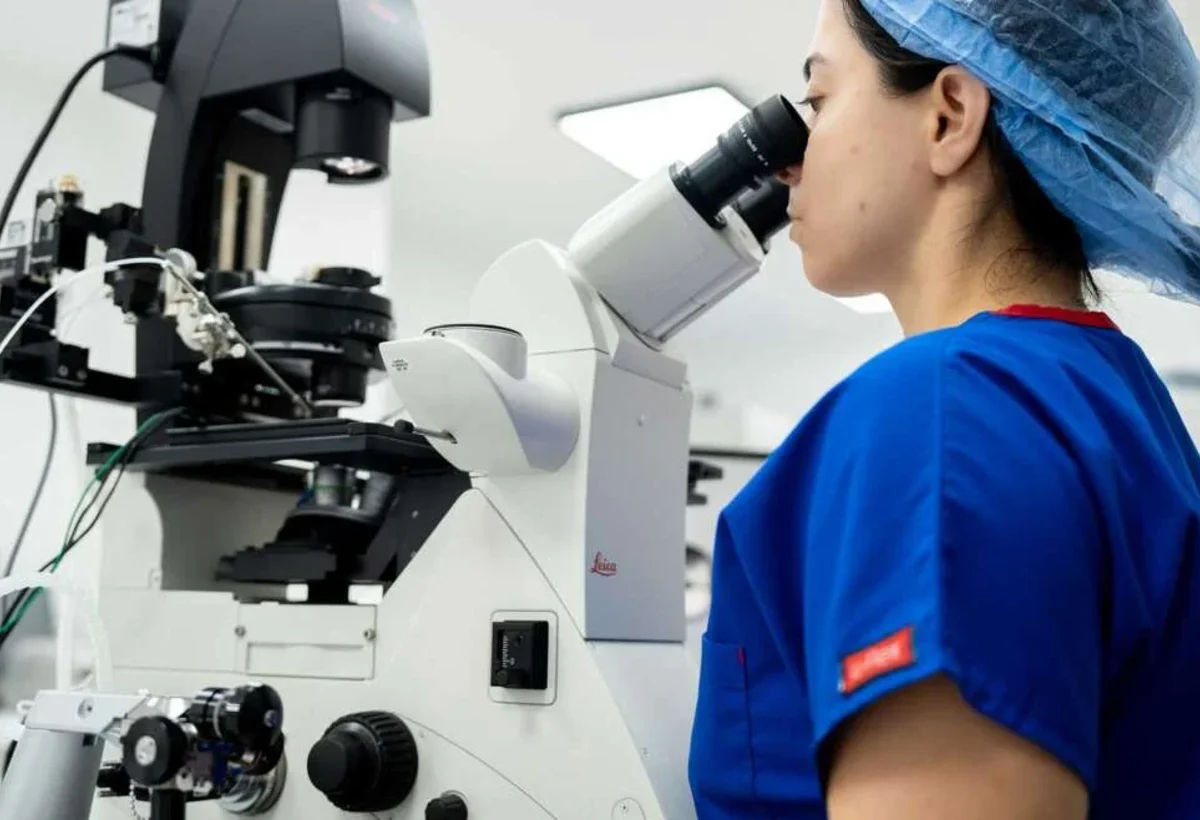
Technology becomes meaningful only when supported by the right processes and expert assessment.
Advanced equipment alone does not define quality. Technology must be used for the appropriate clinical and laboratory purpose, maintenance and checks must be documented, findings should be assessed by experienced embryologists and processes should be applied consistently across the team.
- Technology used to support, not replace, embryologist judgement
- Regular monitoring of culture and storage conditions
- Authorised personnel and controlled access
- Record integrity before, during and after procedures
- Patient privacy and data-security principles
When choosing a fertility centre, do not ask only whether it is “accredited”. Ask which processes the accreditation actually covers.
You can ask our team directly about CAP accreditation, laboratory safety, identity verification, embryo culture and cryostorage procedures.
A quality certificate has meaning not only through its logo, but through its scope and validity.
When reviewing quality and accreditation documents, consider which unit the document covers, who issued it, its certificate number and its period of validity.
Scope of the document
Does the document cover the entire centre, specific laboratory activities or a particular management system?
Validity information
Issue and validity dates should be clearly visible so the document’s current status can be assessed.
Issuing organisation
The organisation issuing the accreditation or certification and the verification route should be identified.
How it translates into practice
It should be clear how the document translates into records, controls and patient-safety practices in day-to-day workflows.
Six ISO standards implemented by Ventus IVF
These standards support a systematic approach to quality, environmental management, occupational health and safety, feedback management, risk management and social responsibility.
Frequently asked questions about quality and accreditation
What is CAP accreditation?
CAP accreditation is a laboratory accreditation programme in which processes are assessed against discipline-specific quality criteria, documentation systems, staff competency and external evaluation requirements.
Does CAP accreditation guarantee IVF success?
No. Accreditation does not guarantee pregnancy or live birth. Treatment outcomes depend on individual medical factors. The value of accreditation lies in providing a framework for process quality, traceability, risk management and continuous improvement.
What areas can laboratory accreditation cover?
In reproductive laboratories, areas such as patient identification, specimen labelling, gamete and embryo procedures, cryostorage, staff competency, equipment and quality management may fall within the scope of assessment.
Why is an electronic identity-matching system important?
Electronic matching is an additional safety layer that helps verify patient identity and laboratory materials during procedures and supports traceability.
Is EmbryoScope+ part of the quality system?
EmbryoScope+ is a time-lapse imaging system that supports monitoring embryo development without routinely removing embryos from the culture environment. The technology is meaningful only when combined with appropriate procedures, documentation and expert embryologist assessment.
What should I check on an accreditation certificate?
Check the issuing organisation, scope, certificate or accreditation number, issue date, validity date and verification route together.
Can I ask for detailed information about Ventus IVF quality documentation?
Yes. During your consultation, you can ask our team about the scope of CAP accreditation, our laboratory quality approach and published documentation.
Understand the laboratory before making a treatment decision.
Alongside your treatment plan, learn about the system in which your oocytes, sperm and embryos will be assessed. During the first consultation, you can request clear and understandable information about laboratory processes.