Procedure
The embryo is passed through the cervix in a soft transfer catheter and placed into the uterine cavity.

This is the stage of treatment in which a suitable embryo, whose development has been monitored in the laboratory after IVF or ICSI, is placed into the uterine cavity through a thin catheter. The transfer day is determined by considering embryo development, the endometrium, whether a fresh or frozen cycle is planned, and the risk of multiple pregnancy.
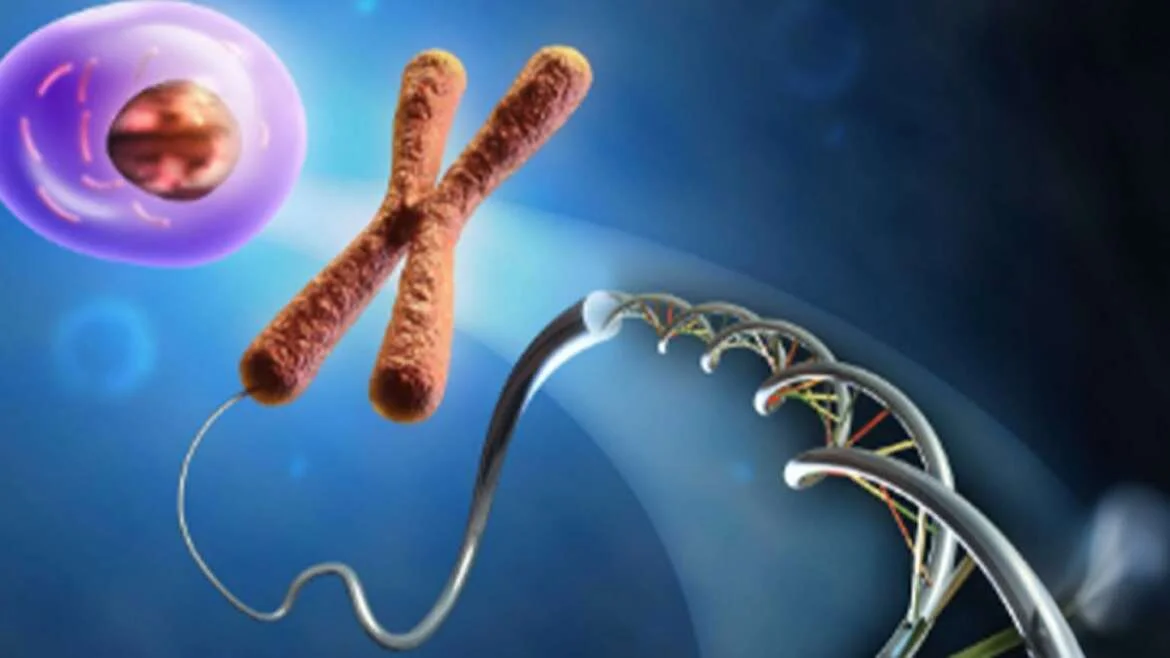
The embryo is passed through the cervix in a soft transfer catheter and placed into the uterine cavity.
It is planned for patients who reach the transfer stage of IVF, ICSI, donation treatment or frozen embryo treatment.
Depending on embryo development and the treatment plan, transfer may take place on day 2, 3 or 5; in a frozen cycle, it is performed when the endometrium is ready.
Supportive medication is continued, normal daily activities can usually be resumed, and a pregnancy test is performed on the date specified by the clinic.
Embryo transfer is the final procedural step connecting the laboratory and the uterus in assisted reproduction treatment. Its purpose is to deliver the embryo safely into the uterine cavity, where it can come into contact with the endometrium and continue the implantation process.
An embryo created through IVF or ICSI and considered suitable for transfer is loaded into a thin catheter by the embryologist. The doctor usually passes the catheter through the cervix under transabdominal ultrasound guidance and places the embryo in the planned area of the uterine cavity.
Embryo transfer is different from oocyte collection. No needle enters the ovaries and most patients do not require sedation. Before transfer, the laboratory team reviews the embryo’s developmental day, morphology, any genetic test result and, where relevant, freezing and thawing information.
On the uterine side, the appearance and thickness of the endometrium, the duration of progesterone exposure, findings that may affect the uterine cavity and the catheter pathway are considered. Although the transfer itself is brief, it requires the laboratory, physician and nursing teams to work together on correct identity, the correct embryo and correct timing.
Placing the embryo in the uterus does not mean that pregnancy has occurred. After transfer, the embryo must continue developing, establish biological communication with the endometrium and implant. The outcome is therefore assessed only with beta-hCG testing at the appropriate time and subsequent ultrasound.

In both approaches, the embryo is placed into the uterus using the same basic catheter technique. The difference is whether transfer occurs in the oocyte-collection cycle or after the embryo has been frozen and thawed in a later cycle.
Transfer may be performed a few days after fertilisation and embryo culture if clinically appropriate.
The endometrium is prepared in a natural cycle or with medication; the embryo is thawed and assessed close to the planned transfer day.
No. The choice between fresh and frozen transfer depends on OHSS risk, progesterone level, the endometrium, genetic-testing plans, embryo development and individual medical circumstances. Routine freeze-all should not be assumed to increase live-birth rates in every patient group.
The transfer day is determined not only by the calendar, but also by the number and quality of developing embryos, the patient’s age, previous treatment history and the laboratory’s daily assessment.
The embryo is at a several-cell cleavage stage. This may be considered when only a small number of embryos are available or when extended culture may not provide additional selection benefit.
The embryo has reached the blastocyst stage. Extended culture may help with selection among embryos that continue to develop.
No. The potential advantage of blastocyst transfer is most relevant in appropriately selected patients with a sufficient number of embryos. When embryo numbers are low, waiting until day 5 carries the risk that no transferable embryo remains. The decision should combine laboratory development with clinical history.
Embryo transfer is not a stand-alone treatment that begins independently. It is performed in patients who have completed the laboratory and endometrial-preparation stages of IVF, ICSI, donation or frozen-embryo treatment.
Patients who develop embryos suitable for transfer after oocyte collection and fertilisation may have a fresh transfer or a frozen transfer in a later cycle.
Embryos stored from a previous treatment can be transferred after endometrial preparation and post-thaw assessment are completed.
An embryo reported as suitable for transfer after PGT can be placed into the uterus through an individual FET plan after testing and cryopreservation.
Transfer of an embryo created or matched within egg, sperm or embryo donation treatment is planned after the relevant legal and medical assessments have been completed.
Before another transfer, the previous embryo, endometrium, technical procedure and treatment protocol can be reviewed together and changes made when clinically indicated.
Patients who previously froze embryos for medical or personal reasons can proceed to thawing and transfer when they plan pregnancy.
No. Fertilisation method, developmental rate, cellular appearance, blastocyst formation and any genetic test result are considered. Embryos that have stopped developing or are not considered clinically suitable are not transferred.
Transfer may be postponed and all embryos frozen because of OHSS risk, elevated progesterone, an unsuitable endometrium, fluid in the uterine cavity, infection, uncontrolled medical disease, genetic-testing plans or other individual safety considerations.
A good transfer plan is not based only on selecting an embryo. The endometrium, progesterone timing, transfer technique, medication adherence and identity safety are prepared together.
Age, diagnosis, previous transfers, miscarriage history, uterine procedures and current embryo records are reviewed.
Ultrasound is used to assess the endometrial appearance, uterine cavity and findings such as fibroids, polyps or fluid that may affect transfer.
Suitability for fresh transfer or a natural, modified-natural or hormone-prepared frozen-transfer protocol is determined.
The start time and dose of progesterone are planned carefully to synchronise the endometrium with the embryo’s developmental stage.
The embryo’s developmental day, grading, freezing information and any PGT result are reviewed at the transfer meeting.
The risk of multiple pregnancy, current regulations and clinical factors are explained before consent is obtained for the number of embryos to be transferred.
Instructions regarding fluid intake, bladder fullness, timing of vaginal medication and arrival time at the clinic are explained clearly before transfer.
For international patients, final ultrasound, progesterone start, flights, accommodation and the transfer day are coordinated together.
Although the procedure appears brief, embryo preparation, identity verification, ultrasound imaging and catheter checks are carried out as sequential safety steps.
Embryo development, the endometrium and hormone timing are checked one final time, and the procedure time is coordinated between the clinic and laboratory.
Patient identity, partner or donor information, the embryo to be transferred and the number of embryos are cross-checked against the records.
A fresh embryo undergoes developmental assessment; a frozen embryo is thawed and checked for survival and re-expansion.
The patient is positioned for a gynaecological examination. A speculum is inserted, the cervix is gently cleaned and the uterus is visualised by ultrasound.
If required, the cervical pathway may be assessed with an empty outer catheter. The aim is to minimise trauma and uterine contractions.
The embryologist loads the selected embryo into the transfer catheter with a small volume of appropriate culture medium and hands it to the doctor after identity verification.
Under ultrasound guidance, the catheter is advanced to the planned area within the uterus and the embryo is gently released.
The catheter is checked in the laboratory. If the embryo is seen in the catheter, the procedure may be repeated. After a short rest, medication and testing instructions are provided.
Bed rest is not needed to prevent the embryo from “falling out” after transfer. The most important steps are to use medications correctly, wait for the scheduled test date and contact the clinic if warning symptoms occur.
After a short rest, you can walk, use the toilet and return to normal daily activities. Emptying a full bladder does not harm the embryo. Long-distance travel should be discussed with the team according to individual circumstances.
Progesterone, oestrogen and other medications should be continued exactly as prescribed. Doses should not be changed or treatment stopped before testing because of spotting or an absence of symptoms.
Symptoms do not reliably predict the result. A beta-hCG test is performed on the day specified by the clinic. If positive, repeat testing and an early pregnancy ultrasound may be planned at the appropriate interval.
No. A particular resting position, a single food such as pineapple, or completely stopping normal movement has not been shown to increase implantation. A balanced diet, avoiding smoking and alcohol, taking prescribed medication correctly and maintaining normal safe activity are recommended.
The active part of the embryo-transfer procedure usually lasts only a few minutes. The total time required to prepare a fresh or frozen cycle and reach the pregnancy test varies according to the treatment plan.
Embryo records, uterine assessment and protocol planning.
Variable
Natural-cycle monitoring or hormone treatment.
Approximately 2–3 weeks
Fresh embryo culture or thawing of a frozen embryo.
According to the transfer day
Catheter placement under ultrasound guidance.
Usually a few minutes
Continue medications and return to normal daily activities.
Approximately 9–14 days
Beta-hCG assessment on the specified date.
Scheduled day
For a fresh transfer, the stay may extend from the oocyte-collection day through the embryo-development period. For a frozen transfer, if some ultrasound and blood monitoring can be completed in your country of residence, travel to Cyprus may be planned close to the transfer day. Because embryo and endometrial timing can change, flexible flight and accommodation arrangements are recommended.
A technically smooth transfer is important, but the outcome does not depend only on the catheter procedure. Embryo biology, the uterine environment and patient-related factors all contribute.
The age at which the oocyte was obtained is one of the strongest factors influencing the embryo’s chromosomal status and developmental potential.
Cleavage pattern, blastocyst formation and laboratory assessment are considered when selecting an embryo for transfer; morphology alone does not guarantee chromosomal normality.
Endometrial development, hormonal synchronisation and findings such as polyps or fibroids that affect the uterine cavity are important.
Synchronising the embryo’s developmental day with the duration of endometrial progesterone exposure is particularly important in frozen-transfer planning.
A soft catheter, ultrasound guidance, gentle passage and an atraumatic approach intended to reduce uterine contractions support technical quality.
Transferring more embryos does not always mean a better outcome; multiple pregnancy carries significant risks for both the mother and babies.
Smoking, uncontrolled thyroid disease or diabetes, severe obesity and some systemic conditions may affect the chance of pregnancy and live birth.
Previous embryo development, transfer difficulty, implantation history and miscarriage history help individualise a new plan.
Placement of the embryo into the uterine cavity.
A positive blood beta-hCG result.
An intrauterine pregnancy visualised on ultrasound.
A pregnancy resulting in live birth.
Embryo grade, a positive pregnancy test, clinical pregnancy and live birth are not the same outcome. When interpreting success rates, consider age at oocyte collection, fresh versus frozen transfer, embryo day, PGT status and whether rates are reported per transfer or per patient.
The cost of embryo transfer varies according to whether the procedure is fresh or frozen, whether embryo culture or thawing is required, the endometrial-preparation protocol and accompanying laboratory services.
The laboratory contribution to a successful transfer is not simply about “choosing the best embryo”. Controlled embryo culture, identity tracking, pre-transfer assessment, catheter loading and post-procedure checks are carried out within the same quality system.
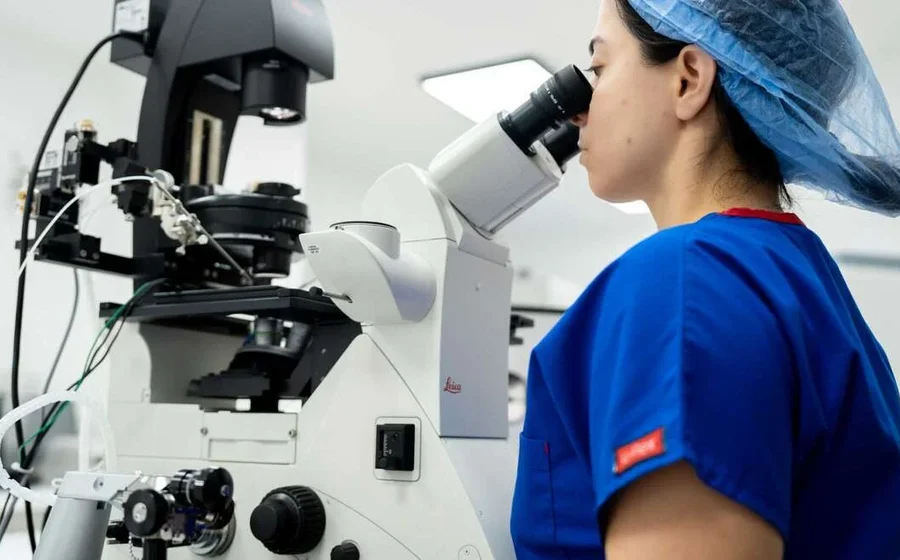
Embryos are monitored under appropriate temperature, gas and culture conditions. Once the transfer decision is made, the selected embryo is loaded into the catheter following identity verification; after the procedure, the catheter is returned to the laboratory to confirm that the embryo has not remained inside.
Staff competency, equipment performance, culture conditions, documentation, quality control and traceability processes are standardised. The Ventus IVF Center Laboratory CAP certificate carries number CAP# 9751707.
Provides an additional safety layer for identity verification from the culture dish to the transfer catheter and delivery to the patient; it is used alongside physical checks by the embryologist and clinical team.
Helps monitor suitable embryos using time-lapse imaging without frequent removal from the incubator. It can provide additional information for transfer selection but does not guarantee pregnancy.
May help standardise imaging and development data. The final transfer decision is made using embryologist assessment and clinical information, not an algorithm alone.
Control of temperature, pH, gas balance, particles and volatile organic compounds in the embryo culture environment supports laboratory stability.
Selection of a soft catheter, knowledge of the uterine pathway and ultrasound monitoring of placement are intended to reduce traumatic passage and unnecessary manipulation.
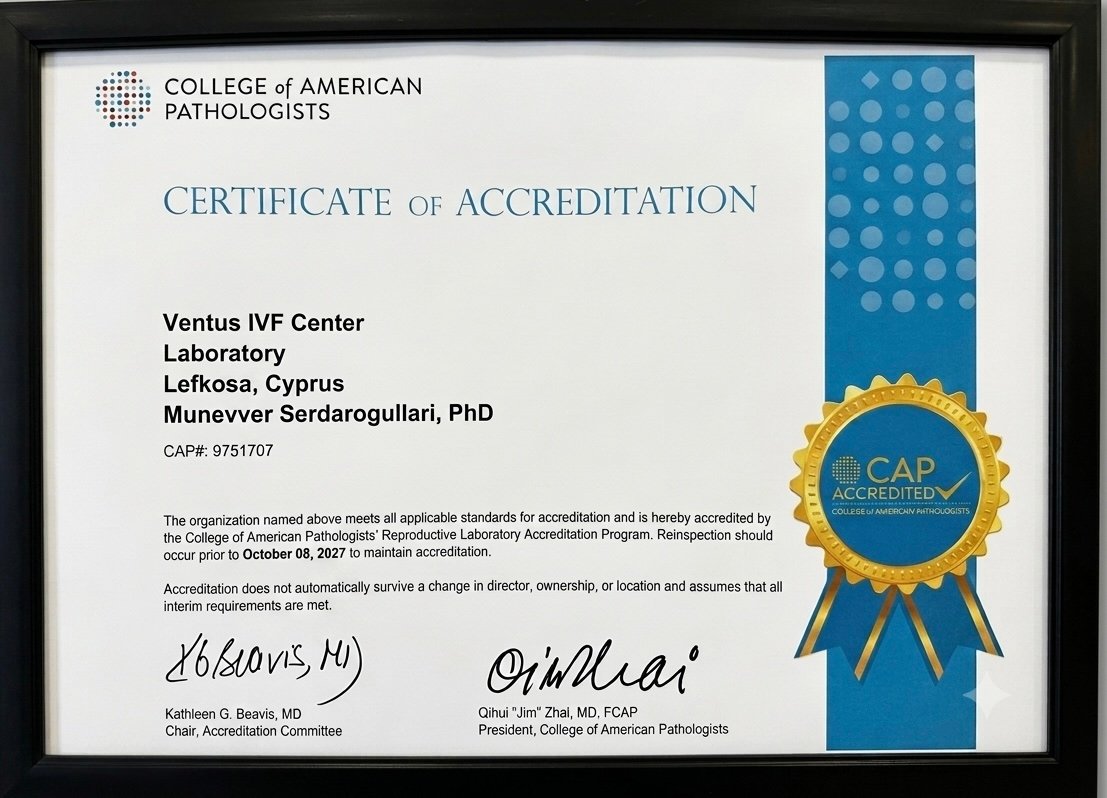
College of American Pathologists
The certificate confirms that the laboratory is accredited under the CAP Reproductive Laboratory Accreditation Program. Accreditation demonstrates a quality system; it does not guarantee an individual patient’s treatment outcome.
Transfer requires coordinated work between the physician managing endometrial preparation and catheter placement and the embryology team responsible for embryo selection, identity verification and catheter loading.

Treating physician
Treatment suitability, personalised protocol, clinical monitoring and embryo transfer planning.

Scientific Director
Scientific processes, laboratory standards and quality approach

Embryology laboratory
Fertilisation, embryo culture, development assessment, laboratory safety and traceability processes.
Embryo transfer is generally a low-risk procedure, but there are limitations and clinical risks related to biological outcome, medications used and the number of embryos transferred.
Even when the embryo has been placed successfully in the uterus, implantation may not occur. This does not by itself indicate a technical error.
Transferring more than one embryo can increase the risk of twins or higher-order multiple pregnancy; preterm birth and pregnancy complications are more common.
Although uncommon, pregnancy can implant outside the uterus. Early assessment is important if pain or bleeding occurs after a positive test.
Cervical narrowing, uterine angle or previous surgery can make catheter passage more difficult. A difficult transfer may increase uterine contractions and procedure time.
Light spotting related to catheter contact may occur. Serious infection or heavy bleeding is uncommon and requires assessment.
In frozen transfer, not every embryo will necessarily retain viability after thawing; another embryo may need to be thawed if required.
Oestrogen and progesterone may cause side effects such as bloating, headache, breast tenderness or mood changes.
Embryo grade, PGT result, technology or an experienced team cannot guarantee live birth; biological uncertainty remains at every stage.
Review concise answers to common questions about transfer day, life after the procedure, symptoms, testing time and the number of embryos transferred.
Embryo transfer is the placement of a suitable embryo, whose development has been monitored in the laboratory after IVF or ICSI, into the uterine cavity through a thin soft catheter. The procedure is usually performed with ultrasound guidance and generally does not require anaesthesia.
The patient is positioned for a gynaecological examination, the cervix is visualised with a speculum and a thin catheter is advanced into the uterus under ultrasound guidance. The embryo, loaded into the catheter by the embryologist, is placed in the appropriate area; the catheter is then checked in the laboratory.
Transfer may be performed on day 2, 3 or 5 after fertilisation depending on embryo development and the treatment plan. A day-5 embryo is called a blastocyst. Waiting until day 5 is not appropriate for every patient; embryo number and development are considered.
In a day-3 transfer, the embryo is at the cleavage stage; in a day-5 transfer, it has reached the blastocyst stage. Culture to blastocyst may provide additional information about developmental potential, but waiting until day 5 is not suitable for every patient with few embryos.
Fresh transfer is performed in the same treatment cycle in which oocyte collection and fertilisation occur. In frozen transfer, a previously frozen embryo is thawed and transferred into a prepared endometrium in a different cycle. The choice depends on clinical needs.
Most patients describe the procedure as mild pressure similar to a cervical smear test. The speculum, full bladder or catheter passage may cause brief discomfort. Severe pain is not expected and anaesthesia is generally unnecessary unless there is a specific difficulty.
Time spent in the clinic may be longer when preparation, identity checks and ultrasound are included, but the part in which the embryo is placed into the uterus usually takes only a few minutes. Difficult catheter passage can prolong the procedure.
Many centres ask for controlled bladder filling so that the uterus and catheter pathway are more clearly visualised with transabdominal ultrasound. The clinic should provide instructions on how much water to drink and when to begin.
Prolonged bed rest has not been shown to increase pregnancy rates. Most patients can resume normal daily activities after a short rest. Individual advice from your doctor takes priority.
No. Standing up, walking, using the toilet or urinating does not cause the embryo to fall out of the uterus. The embryo is microscopic and does not leave the uterine cavity through normal movement after transfer.
Mild cramping, spotting, breast tenderness or no symptoms at all may occur. These findings can also be caused by progesterone and other medications. Symptoms do not reliably confirm implantation; the result is assessed with a pregnancy test.
Very light spotting can occur from catheter passage. Contact the clinic for heavy bleeding, increasing pain, fever, fainting or severe one-sided pain. Even if bleeding occurs before the test day, medication should not be stopped without medical advice.
The clinic determines the test date according to embryo day, whether the transfer is fresh or frozen, and the medications used. In many protocols, a blood beta-hCG test is performed approximately 9–14 days after transfer; early home testing can be misleading.
The form, dose and duration of progesterone depend on the fresh or frozen cycle protocol. Medication should only be changed on the advice of the treating team, regardless of whether the pregnancy test is positive or negative.
The number of embryos transferred is determined by age, embryo development, previous treatments, genetic-test results, multiple-pregnancy risk and applicable regulations. In suitable patients, single-embryo transfer aims to reduce the risk of multiple pregnancy.
This should be considered together with the patient’s age, embryo quality and any other embryos available for freezing. In suitable patients, single-embryo transfer can reduce multiple-pregnancy risk while preserving a cumulative treatment strategy.
The timing of another attempt depends on the beta-hCG result, protocol used, availability of frozen embryos, uterine assessment and physical and emotional wellbeing. Numerous additional tests are not automatically required after every unsuccessful transfer.
Length of stay depends on whether a fresh or frozen transfer is planned. If some ultrasound and blood monitoring can be completed where you live, arrival can be scheduled close to the transfer day. Flights and accommodation should be confirmed after the endometrial and embryo plan is clear.
The scope may include medical and ultrasound monitoring, endometrial preparation, medication, embryo culture or thawing, laboratory procedures, transfer catheter, the procedure, supportive treatment and pregnancy testing. Freezing, storage and genetic testing may be separate items.
Explore IVF, embryo culture, freezing and endometrial-preparation processes that can affect transfer planning.
Send your embryo-development or freezing report, uterine ultrasound and previous treatment results. We can review fresh versus frozen transfer, transfer day, medication schedule and travel planning to Cyprus together.
This content was prepared with reference to current ESHRE, ASRM and UK public-health guidance to support a patient-safety approach to embryo-transfer technique, life after transfer and the number of embryos transferred.
Message us on WhatsApp for information about treatments, the process and planning your visit to Cyprus.