
Our IVF Laboratory Technologies
From oocyte, sperm and embryo assessment to laboratory air quality, and from identity verification to genetic analysis and cryopreservation, we bring our systems together around one goal: a more controlled, more traceable treatment process supported by stronger data for expert assessment.
- 12detailed technology topics
- 6featured systems
- 1specialist team assessment
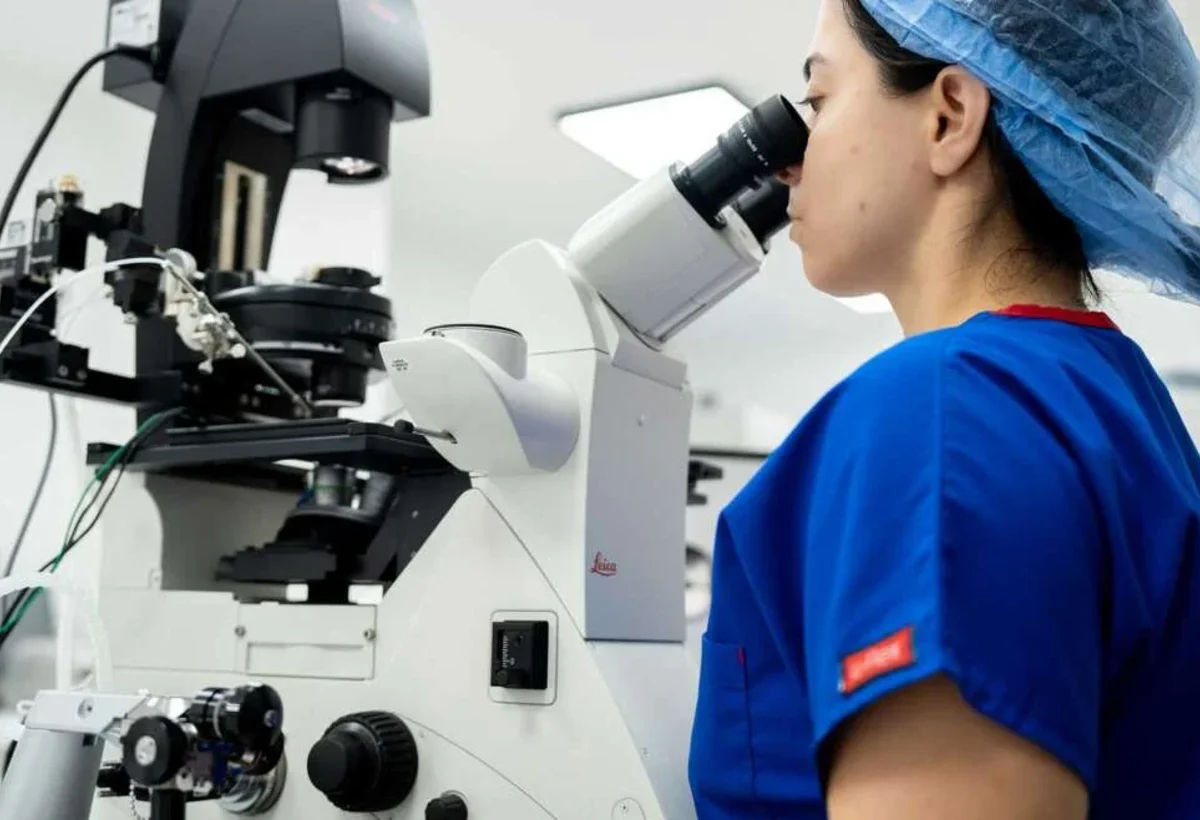
Four complementary layers of laboratory technology
Advanced laboratory infrastructure is not based on a single device. Imaging, decision-support, environmental control, identity verification and storage systems work together at different stages.
More structured data
Helps images, timing data and laboratory records to be reviewed in a more comparable and systematic way.
A more controlled environment
Focuses on monitoring air quality, temperature, gases and storage conditions.
Stronger traceability
Supports verification controls across patient, specimen, procedure and storage steps.
More meaningful expert interpretation
Technology outputs are assessed together with clinical and embryological data.
Technology infrastructure supporting different stages of treatment
Each card links to a detailed page explaining where the technology may be used, its limitations and the stage at which it may become relevant.
 01
01
AI-Assisted Oocyte Selection
A decision-support approach that helps morphological data derived from oocyte images to be assessed in a more standardised and comparable way.
- Systematic review of imaging and morphology data
- Embryologist oversight in the final assessment
 02
02
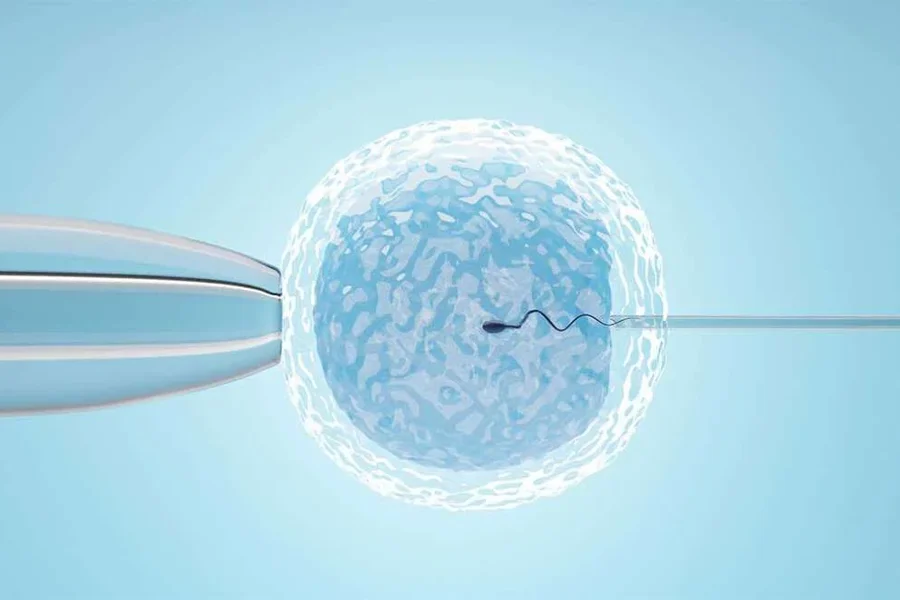
AI-Assisted Sperm Selection
A technology approach that supports sperm assessment using imaging and analysis data.
- An additional data layer for image-based assessment
- Analysis that supports laboratory specialist judgement
 03
03
AI-Assisted Embryo Selection
Helps embryo images and development data to be analysed systematically; final interpretation remains with the embryology team.
- More structured assessment of development data
- Decision support with human expertise remaining central
 04
04
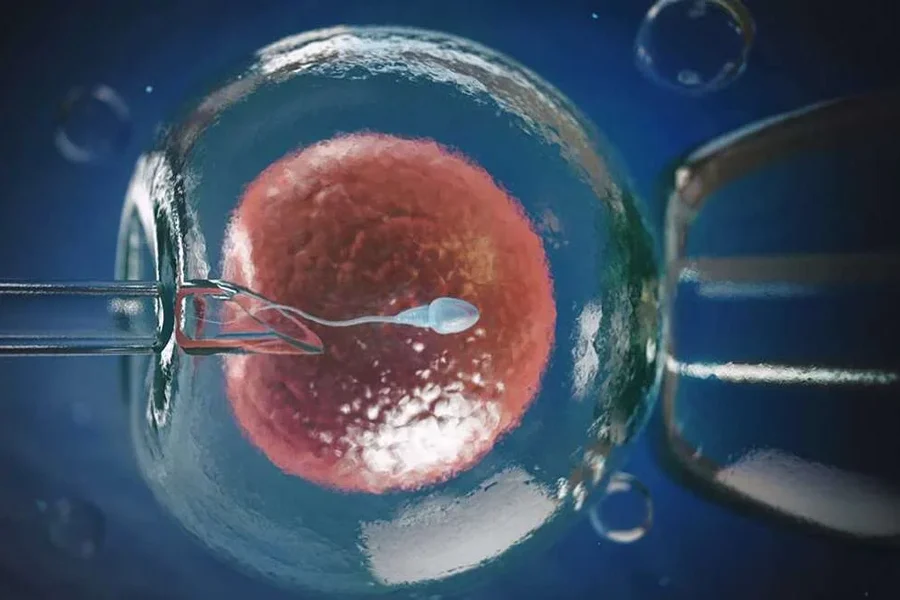
VOC-Controlled Embryology Laboratory
A filtration, pressure-control and environmental-monitoring approach focused on controlling volatile organic compounds in laboratory air.
- Control focused on air quality and environmental conditions
- Monitoring supported by measurement, maintenance and validation records
 05
05
EmbryoScope+ 24/7 Embryo Monitoring
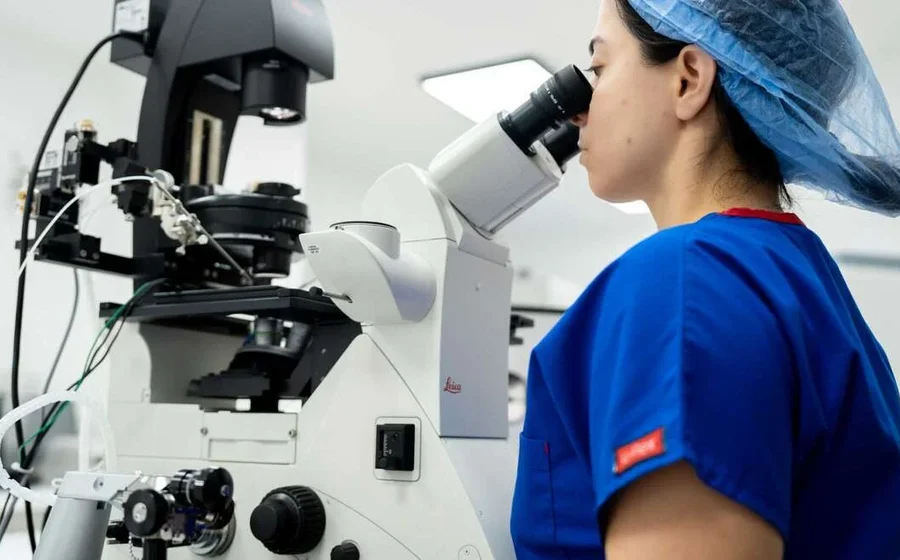
A culture and imaging system that enables embryo development to be followed with time-lapse images without routinely removing embryos from the incubator for observation.
- Time-lapse imaging of embryo development
- Monitoring designed to preserve the culture environment
Chip ID Safety System
An additional safety layer supporting electronic matching and verification of patient, specimen and procedure steps.
- Electronic control for patient and specimen matching
- Record and traceability support across procedure steps
Other technologies spanning genetic analysis, freezing and storage
Not all of these systems are necessary for every patient. Their use is determined according to clinical need, laboratory findings and the individual treatment plan.
NGS – Next-Generation Sequencing
Sequencing technology designed for systematic, high-throughput analysis of genetic samples.
Explore −196° Rapid-freezing approachVitrification Technology
A rapid-cooling approach used for cryopreservation of oocytes and embryos.
Explore µ Sperm preparationMicrofluidic Sperm Selection
A microfluidic-based approach used, in appropriate cases, to support sperm preparation.
Explore SV Oocyte imagingSpindle View
A laboratory assessment approach designed to visualise the meiotic spindle within the oocyte.
Explore PGT Embryo biopsy and genetic workflowPGT Laboratory Technologies
A controlled laboratory workflow covering biopsy, sample preparation, transport and genetic analysis.
Explore CRYO Cryopreservation and monitoringEmbryo Freezing and Storage Systems
Systems designed to store frozen specimens with identity controls, documentation, tank monitoring and contingency planning.
ExploreEach system addresses a different question
Technologies are considered according to the data, control or safety support needed at the relevant stage of treatment, rather than as a single package.
- 01Assessment
Assessment of oocyte, sperm and embryo data
- 02Culture and monitoring
Monitoring embryo development in a controlled environment
- 03Verification
Supporting patient, specimen and procedure matching
- 04Genetic workflow
Sample preparation and analysis for appropriate indications
- 05Freezing
Preservation of oocytes and embryos using rapid-cooling approaches
- 06Storage and records
Monitoring through identity controls, tank tracking and contingency plans
We explain clearly both what a technology can do and what it cannot do.
AI, time-lapse imaging, microfluidic systems and genetic-analysis platforms may provide additional data and process visibility for the specialist team. However, no device, algorithm or laboratory method can guarantee pregnancy or live birth.
Human oversight
AI and algorithms support specialist judgement; they do not replace it.
Indication-based use
Not every technology is routine or necessary for every patient.
No guarantee of outcome
Technology cannot eliminate biological uncertainty.
Records and traceability
Identity, procedure and storage controls are considered together.
This page is for general information and does not replace medical assessment. The methods used are determined individually according to medical history, test results, embryology findings, applicable current regulations and clinical protocols.
What to know before making a decision
Each technology page explains its intended use, limitations and individual suitability in more detail.
Are all technologies used for every patient?
No. Only systems that are appropriate to the individual need, clinical indication and laboratory assessment are included in the treatment plan.
Does artificial intelligence select oocytes, sperm or embryos on its own?
No. AI-based tools may support image or data analysis; final assessment is made by the physician and embryology team.
Does EmbryoScope+ guarantee treatment success?
No. The system enables time-lapse imaging of embryos within the culture environment and supports monitoring of development records; it does not guarantee pregnancy or live birth.
What does the Chip ID system provide?
It is an additional traceability layer supporting electronic verification and matching controls across patient, specimen and procedure steps.
Are NGS and PGT the same thing?
No. PGT is an assessment process used for specific genetic purposes, while NGS is one of the analytical platforms that may be used within that process.
How can I find out which technology may be appropriate for me?
During the initial assessment, your medical history, test results, previous treatments and laboratory needs are reviewed together, and appropriate options are explained with the reasons for their use.
Review with our team which systems may be meaningful within your treatment plan.
Share your questions during the first consultation and we will explain our clinical and laboratory approach in clear terms.