How it works
The ovaries are stimulated with medication, oocytes are collected and mature oocytes are frozen by vitrification.

Egg freezing involves collecting oocytes, assessing their maturity and cryopreserving suitable mature oocytes by vitrification for possible future use.
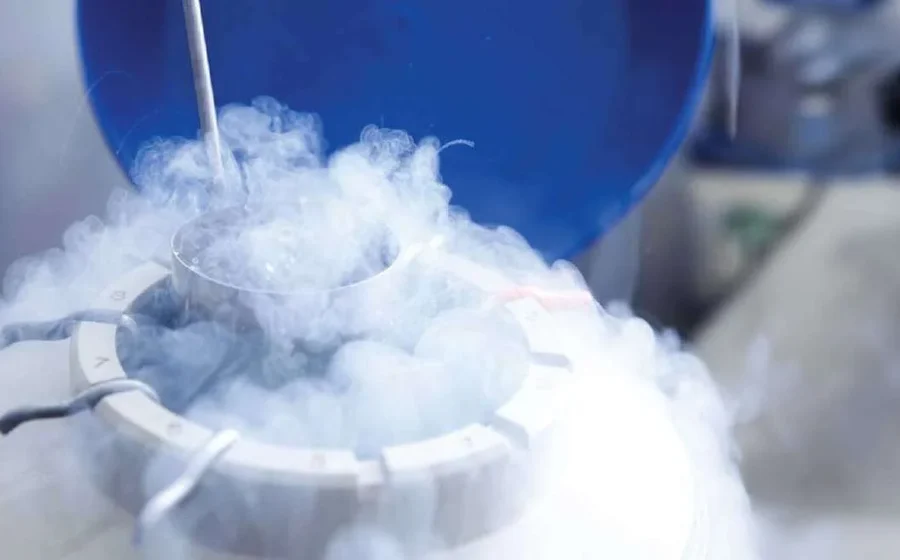
The ovaries are stimulated with medication, oocytes are collected and mature oocytes are frozen by vitrification.
It may be considered by people wishing to preserve fertility before potential age-, treatment- or surgery-related decline.
The maturity of collected oocytes is confirmed and identity checks are completed before cryostorage.
The oocytes are warmed, fertilised with suitable sperm—commonly using ICSI—and a suitable developing embryo may later be transferred.
Egg freezing aims to preserve a person’s oocytes at their current biological age for possible use in future assisted reproduction treatment.
After controlled ovarian stimulation, oocytes are collected. Mature oocytes are cryopreserved by vitrification and stored with written consent in accordance with current storage requirements.
Oocyte number and quality change with age. Freezing does not stop reproductive ageing; it aims to preserve the biological age of the oocytes that are frozen on the day of the procedure. Planning should therefore consider age, antral follicle count and future family-building goals rather than relying on AMH alone.
In an egg-freezing programme in Cyprus, the aim is not simply to retrieve the highest possible number of oocytes, but to obtain mature, usable oocytes within a safe stimulation plan. With reduced ovarian reserve, one cycle may not be sufficient and oocyte accumulation over more than one retrieval may be discussed.
When frozen oocytes are to be used, they are first warmed. Mature oocytes that remain viable are fertilised with sperm; not every oocyte will survive warming, fertilise or develop into an embryo suitable for transfer.
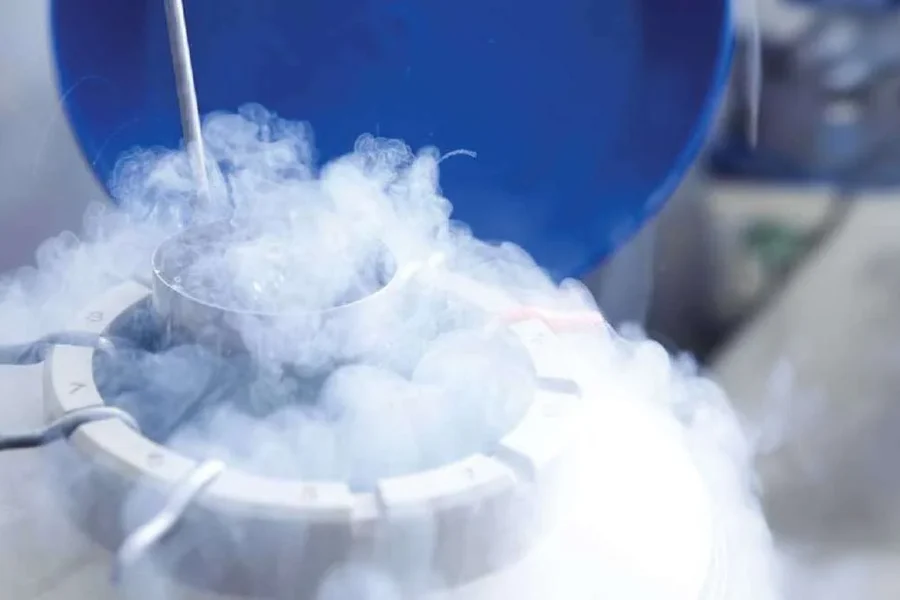
Both methods can preserve reproductive potential for the future, but they differ in the stage at which reproductive material is stored and in future decision-making considerations.
The option to choose the sperm source in the future is preserved.
The egg and sperm sources have already been determined at the time of treatment.
Relationship circumstances, decisions about the sperm source, age, ovarian reserve, timing of cancer treatment and desired flexibility for future decisions are considered together. No single method is best for everyone.
Suitability is based not only on age, but also on medical circumstances that may affect fertility and individual timing goals.
People who are considering parenthood later because of education, career, relationship or personal circumstances.
People who need prompt oncofertility assessment before chemotherapy, radiotherapy or surgery that may affect ovarian function.
People planning surgery for endometrioma or other conditions that may affect ovarian reserve.
People expected to retrieve a low number of oocytes in one cycle who may wish to discuss more than one retrieval according to their goals.
People who may be at increased risk of earlier decline in ovarian function and require individual assessment.
People who wish to preserve the possibility of future genetic parenthood before treatments that may affect gonadal function or involve hormonal therapy.
No. Low AMH may indicate a lower expected oocyte yield, but age, ultrasound findings, menstrual pattern, previous response and personal goals should be interpreted together. For some people, the expected benefit may be limited.
Initial assessment helps establish both a safe medication plan and realistic expectations for the likely oocyte yield.
AMH, antral follicle count and any previous response to ovarian stimulation are reviewed.
The ovaries, uterus and anatomical factors that may affect oocyte retrieval are assessed.
Hormone tests, blood count, coagulation assessment and relevant infection screening may be planned according to individual medical history.
Migraine history, thrombotic risk, current medication and hormone-sensitive conditions are reviewed.
Expected oocyte yield according to age, maturity, warming survival and uncertainty around future live birth are discussed.
Storage duration, contact details, fee renewal and future-use decisions are documented in writing.
The process is similar to the oocyte-retrieval stage of IVF, but the oocytes are stored without being fertilised.
Age, fertility plans, medical history and anticipated future timing are discussed.
Ovarian reserve and treatment safety are assessed.
An individualised medication protocol is used to stimulate the development of multiple follicles.
Follicle development is monitored and medication dose and retrieval timing are adjusted accordingly.
Medication is given to support final oocyte maturation and the retrieval time is scheduled.
Oocytes are collected under short sedation or anaesthesia using transvaginal ultrasound guidance.
Oocyte maturity and identity records are verified in the laboratory.
Suitable mature oocytes are cryopreserved by vitrification and placed into the cryostorage system.
The timeline is personalised according to cycle timing, the protocol used and ovarian response.
Investigations may be completed before travel or during the first days of the menstrual cycle.
Medication and monitoring commonly continue for approximately 9–14 days.
The procedure itself is brief, and discharge may be planned on the same day after a period of observation.
Most people return to usual daily activities within a few days, although symptoms vary individually.
If the desired oocyte number is not achieved in one cycle, a further retrieval cycle may be considered.
If some monitoring can be completed where you live, the required stay in Cyprus may be shorter. If all stimulation and oocyte retrieval are carried out at the centre, a plan of approximately 10–14 days is often required; the exact duration depends on treatment response.
Outcome cannot be described by a single percentage; there are several stages between oocyte freezing and a future embryo transfer.
The biological age of the oocyte is strongly associated with future chromosomal competence and embryo potential.
A greater number of mature oocytes may increase the chance of obtaining a usable embryo in the future, but does not guarantee it.
Not every oocyte will maintain viability and structural integrity after warming.
Warmed oocytes are commonly fertilised using ICSI; not every oocyte will fertilise.
Not every fertilised oocyte will develop into a blastocyst or an embryo suitable for transfer.
Age at the time of future use, uterine conditions and health factors affecting pregnancy can influence transfer outcomes.
Oocyte-warming survival, fertilisation, blastocyst development, clinical pregnancy and live birth are different outcome measures. Each stage should be discussed separately during counselling.
Rather than focusing on a single figure, it is important to clarify which treatment stages and how much storage time are included.
AMH, ultrasound, hormone tests and individual health assessment.
Medication dose and duration vary according to ovarian reserve and treatment response.
Ultrasound monitoring, anaesthesia, the retrieval procedure and short post-procedure observation.
Maturity assessment, laboratory consumables and the vitrification procedure.
Initial storage period, annual renewal and longer-term cryostorage services.
Second or subsequent retrieval cycles planned for oocyte accumulation.
Share your age, AMH and ultrasound results, medical history and intended timeframe so the expected cycle plan and storage scope can be discussed.
Identity, temperature control and record traceability should be maintained from oocyte maturity assessment through to any future warming procedure.
The oocyte’s maturity stage is assessed microscopically before freezing.
Patient records, storage devices and laboratory steps are linked through multiple verification checks.
Vitrification aims to minimise ice-crystal formation through rapid cooling.
The location, history and storage information of each oocyte are recorded in a traceable manner.
Liquid-nitrogen systems, levels and alarm procedures are monitored within the laboratory quality plan.
For future use, warming, viability assessment and preparation for ICSI are carried out according to defined laboratory protocols.
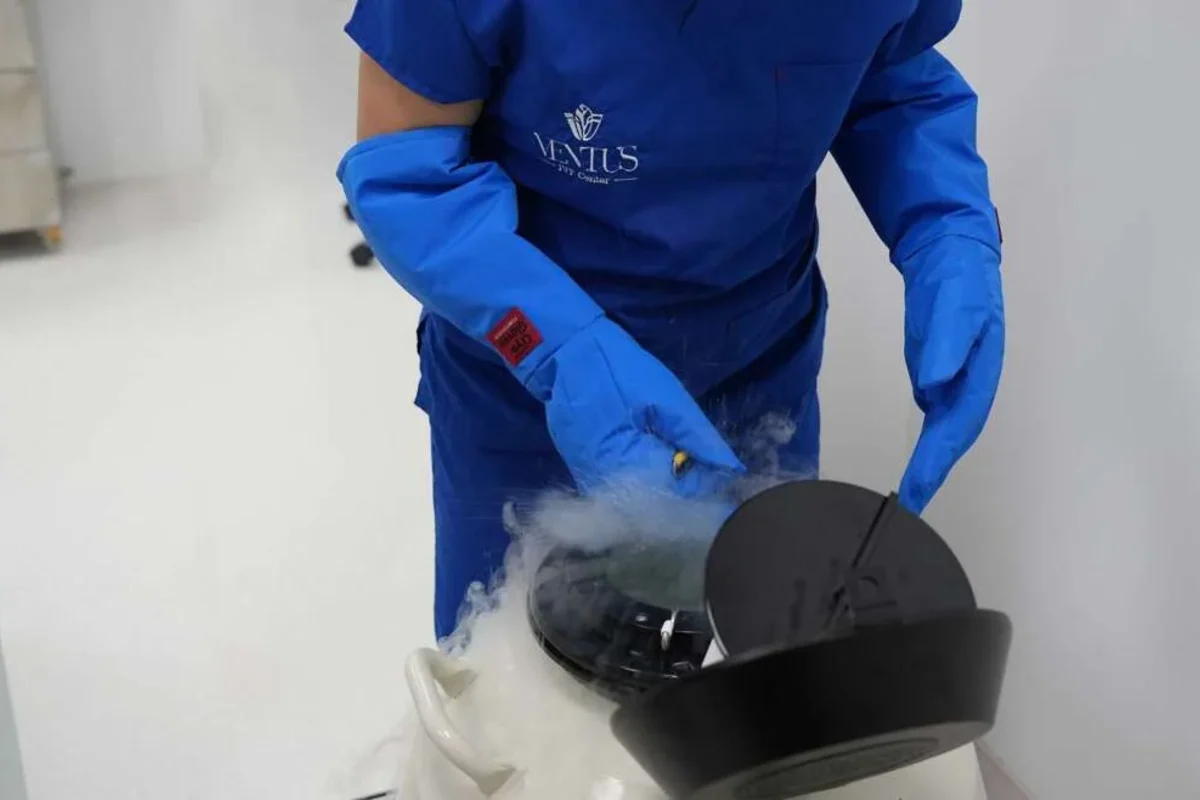
A safe egg-freezing programme requires coordinated clinical assessment, ovarian stimulation, anaesthesia and embryology laboratory processes.

Personalises assessment of ovarian reserve, the stimulation protocol and oocyte-retrieval timing.
View profile →
Supports the scientific approach to medical indications, treatment protocols and fertility preservation.
View profile →
Coordinates oocyte maturity assessment, vitrification, identity verification and cryostorage management.
View profile →Although the procedure is planned carefully, there are limitations and risks related to medication, oocyte retrieval and future use.
Bloating, abdominal tenderness, headache or mood changes may occur.
Excessive ovarian response can occur and may require medical monitoring.
Bleeding, infection or injury to surrounding structures is uncommon but possible.
The number of follicles aspirated is not necessarily the same as the number of mature oocytes available for freezing.
Not every oocyte will survive warming, fertilise or develop into an embryo suitable for transfer.
Egg freezing can preserve an option for future treatment but does not guarantee a future pregnancy or live birth.
These answers provide general information. Ovarian reserve, age, medical history and current storage requirements can change an individual plan.
It involves collecting oocytes after controlled ovarian stimulation, vitrifying mature oocytes and storing them in cryostorage for possible future use.
There is no single definitive age, but the age at which oocytes are frozen is strongly associated with future embryo and live-birth potential. Earlier assessment generally provides more options.
Yes, it may be possible for some people, but the expected number of oocytes from one cycle may be low. Age, ultrasound findings and any previous treatment response should be considered together.
There is no single number that applies to everyone. Individual counselling considers age, family-building goals, uncertainty around oocyte quality and expected losses after warming and fertilisation.
Ovarian stimulation and monitoring commonly take approximately 9–14 days. Pre-treatment tests and travel planning may alter the overall timeline.
The procedure is commonly performed under sedation or short anaesthesia. Short-term cramping, bloating or tenderness may occur afterwards.
Mature oocytes are cryopreserved by vitrification and stored at documented locations within liquid-nitrogen cryostorage systems.
Long-term storage may be technically possible, but permitted duration, consent renewal and fees are determined by current regulations and clinic policies.
No. Although many vitrified oocytes may survive warming, not every oocyte remains viable. Outcomes depend on laboratory methods and oocyte characteristics.
The oocytes are warmed, viable mature oocytes are commonly fertilised using ICSI, embryos are monitored and a suitable embryo may be transferred to the uterus.
ICSI is commonly used with warmed oocytes because of changes associated with cryopreservation. The final laboratory plan depends on oocyte condition and the clinical protocol.
No. The procedure does not stop natural ovarian ageing or menopause; it preserves only the collected oocytes at their biological age on the day of freezing.
Many follicles naturally undergo atresia each month. Ovarian stimulation aims to recruit more of the follicles available in that cycle; individual ovarian reserve should still be assessed.
Yes. More than one cycle may be considered for reduced ovarian reserve, older reproductive age or when a larger oocyte pool is desired. The potential benefit and burden of each cycle should be considered separately.
If considered appropriate by the oncology team, egg freezing using a random-start stimulation protocol may be considered. Oncology and reproductive-medicine teams should coordinate so that cancer treatment is not unnecessarily delayed.
This depends on where monitoring is carried out. If the entire stimulation and retrieval process takes place at the centre, a stay of approximately 10–14 days is often planned.
Costs may be influenced by investigations, stimulation medication, monitoring, anaesthesia, oocyte retrieval, vitrification and the included storage period.
No. Warming survival, fertilisation, embryo development, implantation and live birth are separate stages, and none can be guaranteed.
Share your age, AMH and ultrasound results, current medication and future family-building goals so expected oocyte yield, the treatment timeline and travel to Cyprus can be discussed together.
This content is supported by current professional guidance on planned oocyte cryopreservation, medically indicated fertility preservation, age-related counselling, vitrification and cryostorage safety.