How it works
The semen sample is assessed in the laboratory, prepared with cryoprotectant and frozen in separate tubes or straws.

Sperm freezing involves preparing a sperm sample, dividing it into separate storage units, cryopreserving it and storing it within a traceable cryostorage system for possible future use in IUI, IVF or ICSI treatment.
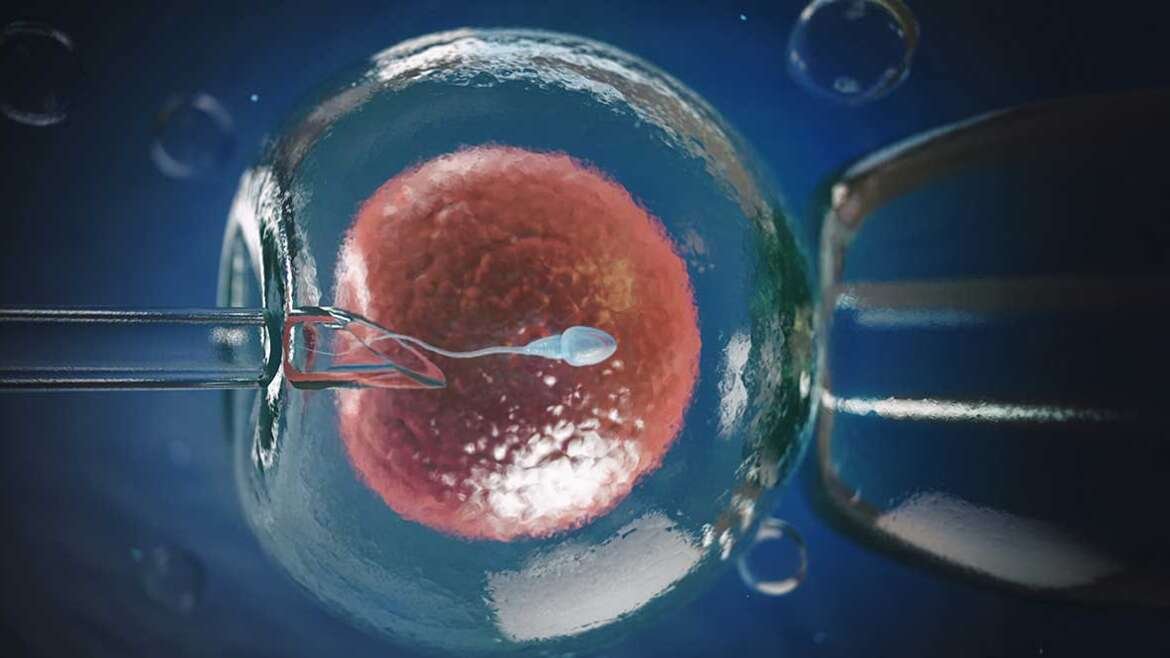
The semen sample is assessed in the laboratory, prepared with cryoprotectant and frozen in separate tubes or straws.
It may be considered before cancer treatment, reproductive-system surgery or vasectomy, in sperm disorders that may worsen over time, or when future treatment is anticipated.
Sperm concentration, motility and sample volume are documented; the sample is divided under identity-control procedures and placed into cryostorage.
The required portion is thawed and IUI, IVF or ICSI is selected according to post-thaw sperm characteristics and the female-partner assessment.
Sperm freezing is used to preserve the possibility of future genetic parenthood or to ensure that a sperm sample is available for planned assisted reproduction treatment.
A semen sample is provided and a basic semen analysis is performed. The sample is prepared with an appropriate cryoprotective solution, divided into smaller portions and stored under cryogenic conditions so that only the required portion needs to be thawed in the future.
Sperm cryopreservation is particularly relevant before treatments that may affect fertility, such as chemotherapy, radiotherapy or surgery involving the testes, prostate or surrounding structures. In urgent oncofertility situations, assessment should take place as early as possible before cancer treatment begins.
Current semen characteristics affect future-use planning. With low sperm concentration or motility, more than one sample or additional storage units may be advised; if no sperm are found in the ejaculate, surgical sperm retrieval may be considered in selected cases.
Using frozen sperm does not automatically mean ICSI will be required. The choice between IUI, conventional IVF and ICSI is based on post-thaw total motile sperm count, the age of the oocyte source, tubal status and the underlying fertility diagnosis.

Both fresh and frozen sperm can be used in assisted reproduction, but timing, post-thaw characteristics and logistics differ.
Semen analysis and preparation are performed on the same day.
It can reduce the need to provide a sample on the treatment day.
Outcome does not depend solely on whether sperm is fresh or frozen. Post-thaw usable sperm numbers, oocyte age, the cause of infertility and the selected IUI, IVF or ICSI method all contribute.
A personalised plan may be appropriate when sperm production, the ability to provide a sample or future treatment timing may be affected.
Before chemotherapy, radiotherapy or other treatment that may affect gonadal function.
Before operations that may affect the testes, prostate, bladder or relevant nerves.
For people who wish to preserve the option of having a genetically related child in the future.
When semen findings indicate severe male-factor infertility or a risk of deterioration over time.
For patients planning a backup sample because of anxiety, travel, work schedules or medical reasons.
For storing sperm retrieved by TESE or Micro-TESE in suitable aliquots for possible future use.
Yes, it may be considered for a medical or personal reason. Realistic counselling should address whether storage is needed, how many samples may be appropriate, costs and the likelihood of future use.
The sample-collection method, required tests and intended amount of stored material are planned in advance.
Previous operations, medication, infections, cancer treatment and relevant genetic risks are reviewed.
Basic parameters such as volume, sperm concentration, motility and morphology are documented.
Infectious-disease testing required for storage and laboratory safety is performed according to current requirements.
Instructions are provided regarding abstinence interval and sample collection at the clinic or under approved conditions.
More than one sample may be recommended according to the anticipated future need for IUI, IVF or ICSI.
Storage duration, communication, renewal, future use and disposal decisions are documented in writing.
The process is often completed quickly, but additional planning may be required when semen parameters are very low or surgical sperm retrieval is needed.
The reason for freezing, timing and future-use goals are clarified.
Required infection screening, identity verification and written storage consent are completed.
A semen sample is provided to the laboratory in a sterile container; additional samples may be collected on separate days when needed.
Sample volume, sperm concentration and motility are assessed.
The sample is mixed with cryoprotectant and divided according to the intended future-use plan.
Labelled tubes or straws are frozen using an appropriate cryopreservation protocol.
The unique identity and tank location of each storage unit are recorded.
The required storage unit is thawed, quality control is performed and the sample is used in the selected treatment method.
For a single semen sample, the laboratory process can often be completed on the same day. The overall plan depends on the number of samples and medical urgency.
Infection screening and semen analysis are completed as promptly as possible.
A single sample can usually be provided during one visit.
When more stored material is desired, samples may be collected on more than one day.
If TESE or Micro-TESE is required, urological assessment and the procedure date are planned separately.
Prepared storage units are placed into cryostorage on the same day.
Sperm freezing using a standard semen sample can often be completed during a one-day visit. If multiple samples, infection testing or surgical sperm retrieval are required, the stay may extend to several days.
Successful sperm cryopreservation is not the same as future pregnancy or live-birth success.
Sperm concentration and motility influence the amount of usable sperm after thawing.
More than one sample or additional storage units may increase flexibility for future treatment.
Some sperm cells may lose motility during freezing and thawing.
Pregnancy outcomes depend not only on sperm but also on oocyte and uterine factors.
Selection of IUI, IVF or ICSI according to post-thaw total motile sperm count may influence the treatment pathway.
Appropriate sample preparation, identity verification, tank monitoring and thawing protocols are important.
Finding viable sperm after thawing does not mean pregnancy will occur. Sperm viability, fertilisation, embryo development, clinical pregnancy and live birth are separate outcomes.
Costs may include more than the freezing procedure itself, including the number of samples and the storage period.
Pre-freeze sample assessment and laboratory reporting.
Tests required under current clinical and storage protocols.
Semen samples provided on one or more days.
Urological and operating-theatre costs if TESE or Micro-TESE is required.
Cryoprotectant, tubes or straws, labelling and laboratory processing.
The initial storage period and subsequent annual cryostorage renewals.
Share your semen analysis, medical or surgical plan and future-use goals so the recommended number of samples and storage scope can be clarified.
Every stage from sample collection to future thawing should be traceable through andrology laboratory records.
The patient, collection container, laboratory tubes and storage units are matched.
Pre-freeze volume, concentration and motility results are documented.
The sample may be divided so that only the amount required for future treatment needs to be thawed.
Sperm cells are cryopreserved using an appropriate protective solution and freezing protocol.
Cryostorage tanks, liquid-nitrogen levels and alarm records are monitored within the quality plan.
Viability and motility are reassessed before use.
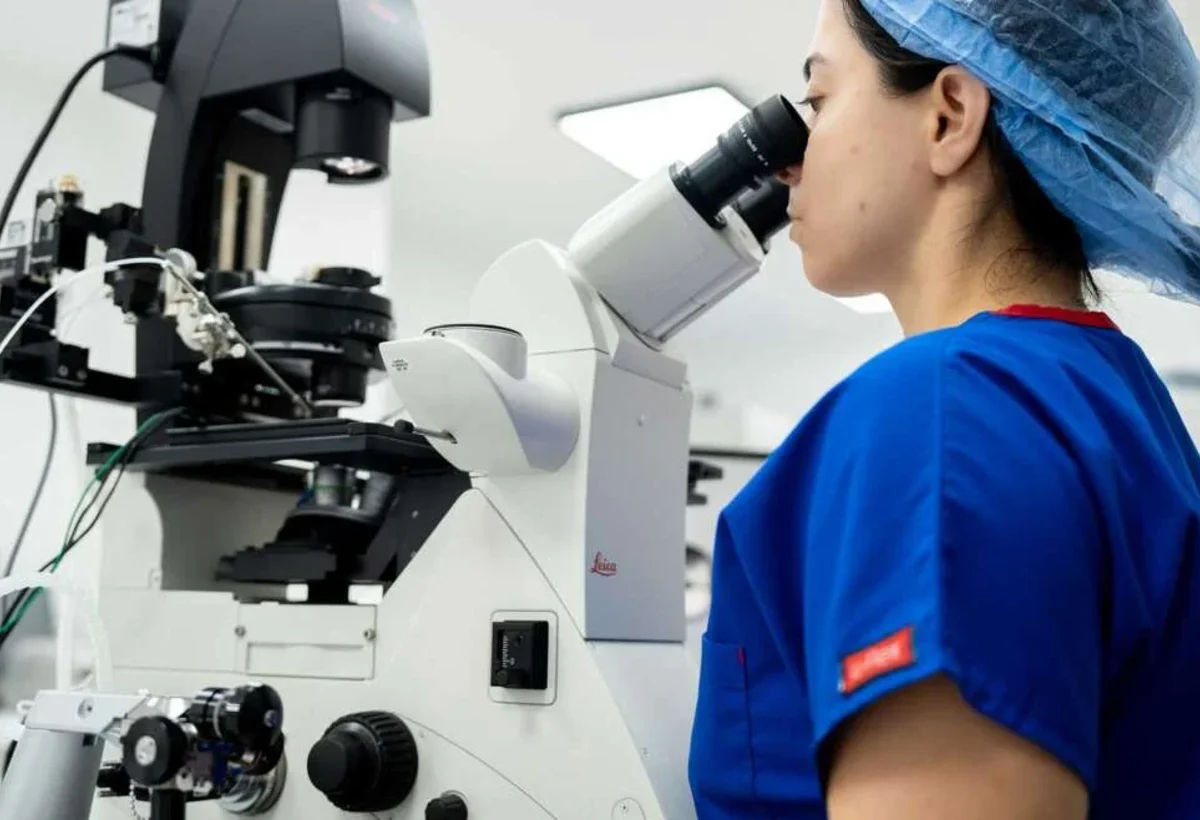
Sperm freezing requires assessment of the medical indication, consideration of possible future treatment methods and safe cryostorage management within the andrology laboratory.

Considers the oocyte source, female-partner assessment and treatment timing when planning future IUI or IVF.
View profile →
Supports the scientific framework for medically indicated fertility preservation and multidisciplinary treatment planning.
View profile →
Manages semen analysis, sample preparation, freezing, post-thaw quality control and cryostorage records.
View profile →Although sperm freezing itself is physically low risk, there are limitations related to sample quality, future use and long-term storage management.
Some sperm cells may lose motility after freezing and thawing.
If sperm concentration or motility is very low, there may not be enough total motile sperm for future IUI.
An ejaculate sample may not be obtainable because of anxiety, illness or treatment urgency.
Cryopreservation does not remove an underlying genetic cause of impaired sperm production.
Failure to maintain consent, contact information or storage renewals may create administrative or legal issues.
Storing sperm preserves a future treatment option but does not guarantee fertilisation, pregnancy or live birth.
These answers provide general information. Semen analysis findings, medical urgency, anticipated treatment method and current storage rules can change the individual plan.
It is the preparation, division and cryogenic storage of sperm obtained from an ejaculate or by surgical retrieval for possible future use.
It may be considered before cancer treatment, reproductive-system surgery or vasectomy, when semen parameters may worsen, or when difficulty providing a sample on the treatment day is anticipated.
Where possible, it should be completed before chemotherapy or radiotherapy begins and as early as the oncology treatment schedule safely allows.
A single semen sample can often be prepared and frozen on the same day. Several days may be needed if additional samples or a surgical procedure are required.
There is no single number for everyone. More than one sample may be recommended according to semen-analysis findings, anticipated future IUI/IVF/ICSI treatment and the available timeframe.
The clinic will advise the appropriate abstinence interval for semen analysis and cryopreservation. Very short or very long intervals may affect sample characteristics.
Clinic instructions should be followed because collection conditions, transport time and identity safety matter. Home collection should only be used with clinic approval and suitable transport arrangements.
Depending on medical assessment, supportive measures, alternative collection methods or surgical sperm-retrieval procedures such as TESE or Micro-TESE may be considered.
Long-term storage may be technically possible, but permitted duration, consent renewal and storage fees are determined by current rules.
No. Motility and viability may decrease after freezing and thawing, which is why the sample is assessed both before freezing and after thawing.
IUI may be considered when post-thaw total motile sperm count is sufficient, the fallopian tubes are patent and the female-partner assessment is suitable.
Yes. Conventional IVF or ICSI may be used depending on sperm characteristics. The method is selected together with female age, oocyte number and semen findings.
No. Depending on post-thaw motile sperm numbers and the clinical situation, IUI, conventional IVF or ICSI may be appropriate.
Current clinical evidence does not indicate a clear additional congenital risk from sperm cryopreservation itself; individual genetic and medical risks should be assessed separately.
Sperm freezing may be considered before vasectomy for people who wish to preserve the option of genetic parenthood in the future.
A standard semen sample can often be frozen during a one-day visit. The required stay is longer if multiple samples or a surgical procedure are needed.
Costs may include semen analysis, required tests, sample preparation, cryopreservation consumables, the initial storage period and additional annual storage fees.
No. Future outcomes depend on post-thaw sperm quality, oocyte age, fertilisation, embryo development and the pregnancy process.
Share your semen analysis, planned treatment or surgery date and future family-building goals so the number of samples, laboratory approach and storage plan can be discussed.
This content is supported by professional guidance on sperm cryopreservation, medically indicated fertility preservation, freezing and thawing, cryostorage safety and future treatment options.
Message us on WhatsApp for information about treatments, the process and planning your visit to Cyprus.