How it works
Donor sperm is used around ovulation for IUI or within IVF/ICSI to fertilise collected eggs.

Sperm donation is an assisted reproduction treatment in which donor sperm that has undergone appropriate medical and genetic assessment is used for IUI, conventional IVF or ICSI according to the patient's reproductive circumstances.
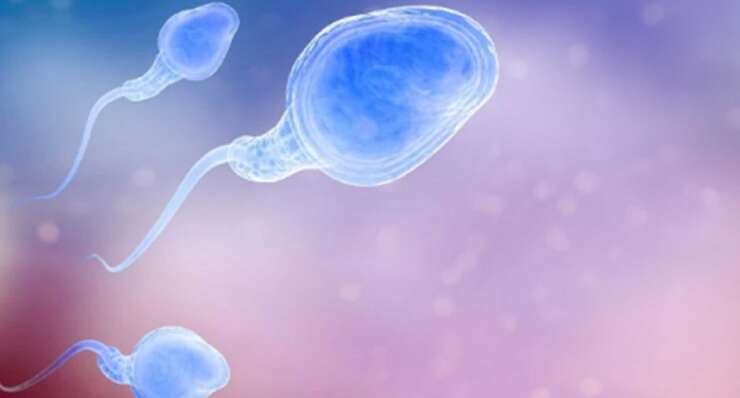
Donor sperm is used around ovulation for IUI or within IVF/ICSI to fertilise collected eggs.
It may be considered when sperm cannot be obtained, in severe male-factor infertility or when there is a significant risk of transmitting a genetic condition.
A frozen donor sample is thawed, quality-checked and prepared according to the selected treatment method.
A pregnancy test is performed on the date specified by the clinic after IUI or embryo transfer.
The sperm source is a donor; the egg source and the assisted reproduction method used depend on the individual treatment plan.
Screened donor sperm is thawed and prepared. In suitable patients it may be placed directly into the uterus through IUI; in an IVF plan, eggs are fertilised using donor sperm and a resulting embryo is transferred.
Sperm donation may be considered when sperm production is absent or usable sperm cannot be obtained. In azoospermia, however, hormonal, genetic and urological assessment and the suitability of surgical sperm retrieval options may be reviewed before considering donation.
The central decision in a sperm-donation plan in Cyprus is not simply donor selection. Tubal patency, ovarian reserve, age, uterine anatomy and previous treatments help determine whether IUI or IVF/ICSI is more appropriate.
A child conceived with donor sperm has a genetic relationship with the sperm donor. Genetic relationships, privacy, disclosure and country-specific legal requirements should therefore be discussed during counselling before treatment.

The same donor sample may be used in different assisted reproduction methods, but treatment burden and suitability requirements differ.
Fertilisation takes place inside the body.
Embryo development is monitored and a selected embryo is transferred into the uterus.
No. IVF may be more appropriate in cases of advanced reproductive age, reduced ovarian reserve, blocked tubes, endometriosis, repeated unsuccessful IUI or other infertility factors.
The decision is based not only on sperm count, but on male-factor assessment, female age and ovarian reserve, tubal status and family-building goals.
It may be an option after the possibility of surgical sperm retrieval has been assessed.
It may be considered when usable sperm cannot be obtained or when repeated treatment attempts have been unsuccessful.
It may be considered when there is a significant risk of transmitting a serious genetic condition through the sperm source and no more appropriate alternative is available.
It may be considered when sperm-related factors are thought to be responsible and alternative approaches have not produced a satisfactory result.
This is a family-building option that must be considered within applicable legal requirements and clinic eligibility criteria.
Depending on applicable regulations and clinic eligibility criteria, donor-sperm IUI or IVF may be considered.
Usually not. ICSI, Micro-TESE and other andrology options may allow use of a patient's own sperm. Donation should be considered only after detailed male-infertility assessment.
The egg source, uterus, fallopian tubes and donor sample are all parts of the same treatment plan.
Age, AMH, ultrasound findings, the uterus and, when required, tubal patency are assessed.
Diagnosis, genetic testing and surgical sperm-retrieval options are reviewed.
Medical and family history, infectious-disease testing and appropriate genetic screening are assessed.
Carrier-screening results from the donor and egg source are interpreted together.
IUI, IVF or ICSI is selected according to age, tubal status, ovarian reserve and previous outcomes.
Genetic relationships, privacy, information sharing and future family communication are discussed.
The initial steps are shared, but the pathway then differs according to whether IUI or IVF is selected.
Medical history, the cause of infertility and previous treatment are reviewed.
A donor sample that meets appropriate screening requirements is selected within the clinical and legal framework.
The frozen sample is received by the laboratory with documentation and identity checks.
Ovulation is planned for IUI; ovarian stimulation and egg collection are planned for IVF.
The sample is thawed, post-thaw characteristics are assessed and it is prepared for the planned procedure.
In IUI, sperm is placed into the uterus; in IVF, eggs are fertilised by conventional IVF or ICSI.
In IVF, a suitable embryo is transferred; after IUI, fertilisation and implantation are expected to take place in the body.
A blood beta-hCG test is performed on the date specified by the clinic.
The schedule depends on whether a donor sample is already available and whether IUI or IVF is selected.
Medical records and tests can often be completed before travel.
Once required characteristics and screening are confirmed, a donor sample is allocated.
Approximately 1–2 weeks of monitoring may be needed from the start of the menstrual cycle to insemination.
Ovarian stimulation and egg collection commonly take approximately 10–14 days.
This is commonly planned approximately 9–14 days after IUI or embryo transfer.
For IUI, the stay can often be shorter depending on ovulation monitoring. IVF usually requires a longer plan because of egg collection and embryo transfer. The exact duration is provided once the treatment protocol is known.
Using donor sperm may overcome some sperm-related factors, but pregnancy outcomes also depend particularly on egg and uterine factors.
Closely associated with egg quality and chromosomal risk.
May influence the choice between IUI and IVF and the number of eggs that may be obtained.
At least one functional patent fallopian tube is required for IUI.
Post-thaw motility and total motile sperm count may influence the treatment method.
Polyps, fibroids, endometrial factors and progesterone timing are assessed.
IUI, IVF and ICSI do not have the same process or outcome measures.
Pregnancy after IUI, fertilisation in IVF, blastocyst development, clinical pregnancy and live birth are different outcomes. A high rate at one stage does not guarantee the next.
Cost depends largely on the treatment in which the donor sample is used.
Screening, storage, transport and allocation of the sample.
Ultrasound, hormone tests, medication and the insemination procedure.
Stimulation medication, egg collection, fertilisation and embryo culture.
Microinjection, embryo monitoring or other medically indicated techniques.
Vitrification of suitable embryos and the storage period.
Treatment dates, accommodation, transport and interpreting arrangements.
Send your age, AMH result, tubal imaging and previous treatment information so that the suitability of IUI or IVF and the scope of treatment can be clarified together.
The source of the donor sample, screening status, storage conditions and correct matching to the patient file are critical safety steps.
Each sample is tracked using a unique identity and recorded storage location.
Motility and usability are assessed before the procedure.
The sample, egg source and patient file are matched through multiple verification steps.
The appropriate laboratory preparation method is selected for IUI or IVF.
When ICSI is indicated, one selected sperm is injected into an egg.
Equipment, temperature, gas and laboratory records are monitored regularly.

Donation treatment is a multi-stage process involving coordinated work between the physician, embryology laboratory, patient coordination team and, when appropriate, genetic counselling.

Manages recipient assessment, endometrial preparation and transfer planning.
View profile →
Contributes to treatment protocols, donation pathways and the scientific quality approach.
View profile →
Coordinates gamete receipt, identity verification, fertilisation and embryo-culture processes.
View profile →Medical risks depend on whether IUI or IVF is used; other limitations relate to the donor pathway.
Even with an appropriate donor-sperm sample, fertilisation or pregnancy may not occur.
In stimulated IUI, multiple follicle development or transfer of more than one embryo may increase the risk.
Screening cannot exclude every inherited condition.
Testing and safety procedures reduce risk, but zero risk cannot be guaranteed.
Lack of medical screening, traceability and legal safeguards can create serious problems.
Genetic relationships, rules about identifying information and disclosure to a child involve long-term decisions.
These answers are for general information. Individual treatment plans may vary according to medical assessment and applicable regulations.
Sperm donation is the use of sperm obtained from a donor who has completed required health screening within IUI or IVF treatment.
It may be considered in severe male-factor infertility where sperm cannot be obtained, where there is a significant inherited-disease risk, or in other circumstances that are clinically and legally appropriate.
The child has a genetic relationship with the sperm donor and the egg source. If the person carrying the pregnancy uses their own egg, there is a genetic relationship through the egg.
The donor is selected according to current regulations and clinical criteria, with assessment of medical and family history, infectious-disease testing, appropriate genetic carrier screening and permitted matching characteristics.
In licensed and traceable programmes, samples are used with donor screening, infectious-disease testing, quality assessment, quarantine or other programme-appropriate safety procedures, and identity verification. Zero risk cannot be guaranteed.
Donor samples are prepared, frozen and documented under controlled conditions, then thawed for use with an appropriate recipient. Bank standards and legal requirements vary by country.
IUI may be considered when there are patent tubes, suitable ovulation and favourable female factors. IVF or ICSI may be more appropriate with tubal disease, advanced age, reduced ovarian reserve or other infertility factors.
Ovulation is monitored in a natural or stimulated cycle. The thawed and prepared donor-sperm sample is placed into the uterus with a thin catheter near the time of ovulation.
The ovaries are stimulated, eggs are collected and conventional IVF or ICSI is performed using donor sperm. A developing embryo is then transferred into the uterus.
No. Conventional IVF or ICSI may be selected according to donor-sperm quality, the number of eggs and previous fertilisation history. ICSI is not automatically required in every donor-sperm programme.
An IUI cycle can often be completed within one menstrual cycle. An IVF programme may extend over several weeks according to ovarian stimulation, egg collection, embryo culture and transfer planning.
Egg age and ovarian reserve, tubal status, uterine conditions, post-thaw donor-sperm characteristics, the treatment method and general health can all influence the outcome.
No. Donor sperm may help overcome severe male-factor infertility, but ovulation, fertilisation, embryo development, implantation and live birth cannot be guaranteed.
If the donor and egg source are both carriers of the same recessive condition, the risk of an affected child may increase. The panels used and their results should be interpreted with appropriate genetic counselling.
To the extent permitted by law, blood group and basic physical characteristics may be considered. Health and genetic safety take priority over expectations of resemblance.
The clinic provides a date according to the day of IUI or embryo transfer. To avoid misleading results related to medication or testing too early, home testing before the recommended date is generally discouraged.
The choice between IUI and IVF determines the length of stay. Pre-treatment investigations may be completed remotely; the days required for monitoring, egg collection or transfer are clarified in the individual schedule.
Donor-sample and sperm-bank procedures, the choice of IUI or IVF, medication, ultrasound monitoring, egg collection, ICSI, embryo culture, freezing and storage may all affect the cost.
It may create serious risks relating to medical screening, infection control, sample traceability, legal rights and family relationships. Donor sperm should be used within an appropriate clinical and legal framework.
Yes. Discussing genetic relationships, future disclosure to a child, privacy and family communication before treatment can support informed decision-making.
Share the female assessment, tubal status, ovarian reserve and previous treatment outcomes. We can plan donor matching, the IUI-versus-IVF pathway, laboratory procedures and travel to Cyprus together.
Content is supported by current professional guidance relating to donor and recipient assessment, infection and genetic screening, counselling, laboratory safety and embryo transfer principles.
Message us on WhatsApp for information about treatments, the process and planning your visit to Cyprus.