
KI-gestützte Embryonenauswahl
When several embryos develop, the question is not simply “which one looks better?”. Developmental timing, cell-division patterns, blastocyst morphology and the patient’s clinical information are assessed together. Artificial intelligence can add a decision-support layer that helps organise and rank these complex data more consistently.
- Nicht-invasive Daten Analyse auf Basis standardisierter Bilder oder Time-Lapse-Aufzeichnungen.
- Konsistentere Priorisierung Dasselbe Modell wendet dieselben Beurteilungskriterien auf verschiedene Embryonen an.
- Fachliche Aufsicht Die endgültige Transferentscheidung bleibt beim Arzt und Embryologieteam.
An AI embryo score is not a genetic diagnosis. It does not guarantee implantation, pregnancy or live birth, and it does not replace specialist assessment.
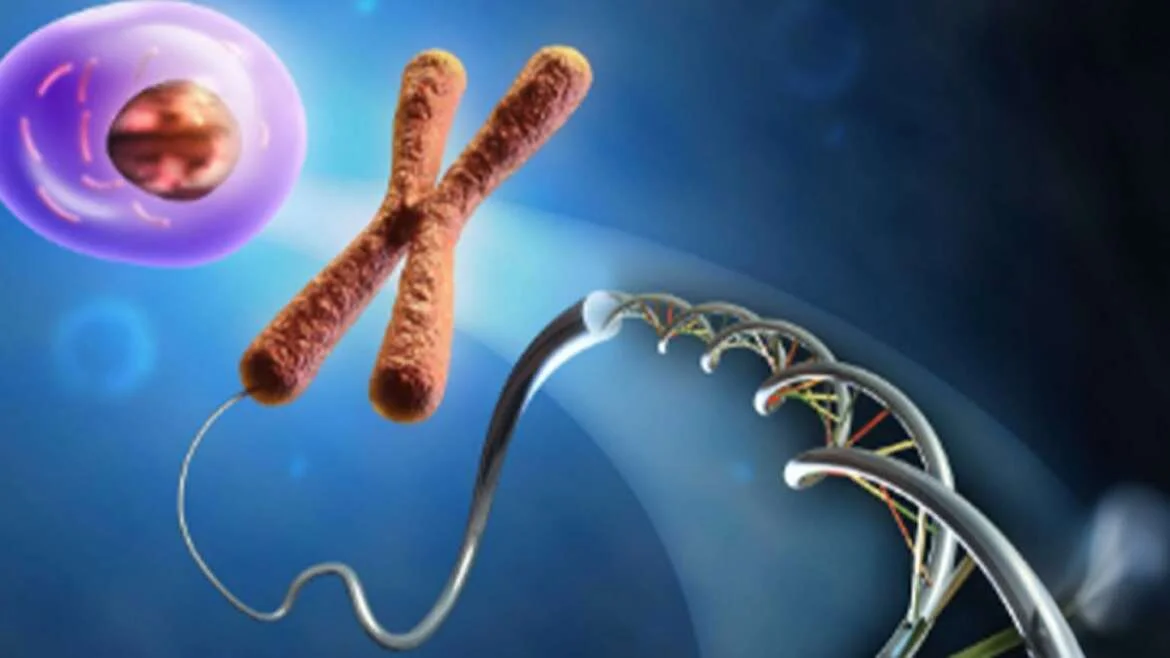 Embryo · Bild- und Entwicklungsanalyse
In your journey towards parenthood, we do not want to reduce the available information about an embryo to a single image.
The embryo-transfer decision is one of the most sensitive stages of treatment. We understand the hope attached to every embryo, so we do not see technology as merely a sophisticated score on a screen.
Our aim is to support the embryologist’s experience with more structured imaging and developmental data and to explain, within a clearer clinical framework, why one embryo may be prioritised over another.
Umfassendere Beurteilung
Wo das System es ermöglicht, kann der Entwicklungszeitpunkt zusammen mit einem Einzelbild eines bestimmten Tages berücksichtigt werden.
Geringere Unterschiede in der Interpretation
Embryonen können innerhalb des validierten Systems mit denselben algorithmischen Kriterien verglichen werden.
Dokumentation und Qualitätsprüfung
Scores können den rückblickenden Vergleich von Embryo-, Transfer- und Laborergebnissen unterstützen.
Personalisierte Priorisierung
KI-Ausgaben werden gemeinsam mit Alter, Behandlungsgeschichte, verfügbaren PGT-Ergebnissen und klinischem Plan interpretiert.
Was ist KI-gestützte Embryonenauswahl?
This approach uses algorithms to analyse embryo images and, on some platforms, time-lapse developmental sequences. Based on patterns learned from historical embryo datasets with known outcomes, a model may generate a score related to a defined developmental or implantation-related outcome.
The term “embryo selection” does not mean that the system makes the transfer decision by itself. The embryologist makes the final prioritisation by considering morphology, developmental day, clinical history, any available PGT result and the overall transfer plan.
Wichtige Unterscheidung: A high image-based score does not show that an embryo is chromosomally normal. A lower score also does not prove that an embryo has no implantation or reproductive potential.
Embryo selection is not a single score; it is the interpretation of biological and clinical information together.
Embryo development is dynamic. Morphology, division timing, unusual cleavage patterns, genetic status and uterine factors do not operate in isolation. AI can standardise part of the imaging data within this chain; it does not explain the entire treatment outcome.
Befruchtung
Die normale Befruchtung wird beurteilt und die erste Entwicklungsdokumentation erstellt.
Entwicklung
Zellteilungen und Fortschritt zum Blastozystenstadium werden überwacht.
Priorisierung
Morphologie, Entwicklungszeitpunkt und KI-Score werden gemeinsam interpretiert.
Transferplan
Die endgültige Entscheidung erfolgt im Kontext der Patienteneigenschaften und klinischen Strategie.
Wie erfolgt eine KI-gestützte Embryobeurteilung Schritt für Schritt?
The workflow may use static-image analysis or time-lapse sequences. The type of data available depends on the platform and the laboratory’s validated protocol.
Die Befruchtung wird bestätigt
Vorkernbild und erster Entwicklungsbefund werden dokumentiert.
Die Entwicklung wird bildlich dokumentiert
Embryonen werden in ausgewählten Stadien oder in definierten Intervallen mit Time-Lapse-Technologie aufgenommen.
Daten werden standardisiert
Bildqualität, Fokus und Zeitinformationen werden entsprechend den Systemanforderungen geprüft.
Ein KI-Score wird erzeugt
Das Modell erstellt eine Schätzung auf Basis von Morphologie und gegebenenfalls morphokinetischen Mustern.
Der Embryologe interpretiert das Ergebnis
Der Score wird mit Blastozystenqualität, Entwicklungstag und relevanten klinischen Informationen verglichen.
Transfer oder Kryokonservierung wird geplant
Der endgültige Plan erfolgt entsprechend informierter Einwilligung und Gesamtbehandlungsstrategie.
Was kann KI während der Embryonalentwicklung beurteilen?
The variables used by a model vary by platform. Some systems analyse only a blastocyst image, while others assess a sequence extending from fertilisation towards blastocyst development.
A model’s performance is linked to the population, imaging system and data on which it was developed and validated. Equivalent performance should not automatically be assumed in every laboratory.
Blastozystenmorphologie
Merkmale wie Expansion, innere Zellmasse und Erscheinungsbild des Trophektoderms können berücksichtigt werden.
Teilungszeitpunkt
Zeitpunkte des Übergangs zum Zwei-, Drei-, Vier- und weiteren Zellstadium können analysiert werden.
Teilungsmuster
Ungewöhnliche Entwicklungsmuster einschließlich direkter oder rückläufiger Teilung können erkannt werden.
Fragmentierung und Symmetrie
Zellgröße, sichtbare Fragmentierung und strukturelle Organisation können in die Beurteilung einfließen.
Entwicklungstempo
Tag der Blastozystenbildung und gesamtes Entwicklungstempo während der Kultur können berücksichtigt werden.
Komplexe Bildmuster
Modelle können Beziehungen auf Pixel- oder Texturebene erkennen, die einzeln mit dem Auge schwer zu beschreiben sind.
Konventionelle Embryobewertung und KI-gestützte Priorisierung
AI may support embryo assessment, but clinical usefulness depends on the model, validation, imaging system and patient population.
AI tools in the IVF laboratory are designed to identify patterns within imaging and developmental data. Their output should be interpreted within a validated laboratory workflow and alongside conventional embryology assessment.
Model performance reported in one dataset or centre cannot automatically be assumed to transfer unchanged to another setting. Clinical decisions therefore remain the responsibility of qualified professionals.
The most appropriate use is as an additional source of structured information. AI should not be used as an automatic reason to discard an embryo or as a substitute for PGT, uterine assessment or the wider clinical evaluation.
Warum benennen wir die Grenzen klar?
Scores sind modellspezifisch. Unterschiedliche Systeme können für unterschiedliche Endpunkte und Populationen trainiert sein.
Bildqualität ist entscheidend. Kamera, Fokus, Zeitpunkt und Kulturbedingungen können die dem Modell zugeführten Daten beeinflussen.
Es handelt sich nicht um genetische Testung. Bildbasierte Scores bestimmen den Chromosomenstatus nicht.
Der klinische Kontext bleibt wesentlich. Alter, uterine Faktoren, frühere Behandlung und andere biologische Faktoren werden durch den Score nicht ersetzt.
Wann kann zusätzliche Unterstützung bei der Embryopriorisierung erwogen werden?
Potential usefulness depends on the number of embryos available, imaging infrastructure, the clinical question and the validated scope of the model being used.
Mehrere transferfähige Blastozysten
Kann bei der Priorisierung verfügbarer Embryonen einen zusätzlichen standardisierten Datenpunkt liefern.
Zyklen mit Time-Lapse-Kultur
Kann helfen, den Entwicklungszeitverlauf systematisch zu analysieren, sofern das ausgewählte Modell Time-Lapse-Daten unterstützt.
Früheres Implantationsversagen
Identifiziert die Ursache nicht selbst, kann aber als ein Element einer umfassenderen Neubewertung betrachtet werden.
Embryonen ohne PGT
Kann Morphologie- und Entwicklungsdaten standardisieren, liefert aber keine genetischen Informationen.
Qualitätsprüfung im Labor
Kann zur Konsistenz zwischen Beurteilungen und zur rückblickenden Ergebnisprüfung beitragen.
Personalisierte Transferplanung
Kann gemeinsam mit Alter, uterinen Faktoren und früheren Behandlungsergebnissen interpretiert werden.
Was kann diese Technologie nicht?
An AI score is only one part of clinical decision-making. Its limits should be clear so that it does not create unrealistic expectations or unnecessary anxiety.
-
Er zeigt nicht, dass ein Embryo chromosomal unauffällig ist, und ersetzt PGT nicht.
-
Er garantiert weder Implantation, klinische Schwangerschaft noch Lebendgeburt.
-
Er erklärt uterine, immunologische, genetische oder andere klinische Faktoren nicht eigenständig.
-
Er beweist nicht, dass ein Embryo mit niedrigerem Score kein reproduktives Potenzial hat.
-
Er ersetzt nicht die gemeinsam von Embryologie- und klinischem Team mit dem Patienten getroffene Transferentscheidung.
Nicht der höchste Score ist das Ziel, sondern der für Sie am besten geeignete und nachvollziehbare Transferplan.
At Ventus IVF, we do not present an AI score as a stand-alone “success score”. We interpret it together with the embryo’s developmental day, morphology, any available PGT result, previous transfers and endometrial preparation.
If scores conflict with one another or do not fit the clinical picture, the final decision is reasoned by the specialist team. Technology does not take over human responsibility; it is used to support better documentation and clearer communication.
Zu Ihrer Situation beraten lassenHäufige Fragen zur KI-gestützten Embryonenauswahl
These answers are for general information. The technical scope of the algorithm and the characteristics of your embryo cohort should be assessed together.
Zu Ihrer Situation beraten lassenWie wählt künstliche Intelligenz einen Embryo aus?
It analyses patterns in embryo images or time-lapse sequences and generates a probability-based score. Final prioritisation is performed by the embryology and clinical team.
Garantiert ein hoher Score eine Schwangerschaft?
No. A score is an estimate related to the outcome targeted by the model. Implantation and live birth are influenced by many other factors.
Zeigt ein KI-Score genetische Gesundheit?
No. An image-based score is not a chromosomal analysis. When PGT is clinically indicated, it is a separate genetic testing process.
Wird ein Embryo mit niedrigerem Score automatisch vom Transfer ausgeschlossen?
No. The number of available embryos, morphology, clinical history and treatment alternatives are considered together. The score alone is not an automatic exclusion criterion.
Kann KI ohne Time-Lapse-Bildgebung eingesetzt werden?
Some systems work with one or more blastocyst images, while others require time-lapse data. This depends on the platform being used.
Kann die KI-Beurteilung dem Embryo schaden?
Die bildbasierte Analyse greift nicht direkt in den Embryo ein.
Verwandte Technologien entdecken
Time-lapse imaging, AI-assisted assessment and laboratory safety systems provide complementary layers of information and process control.
Wissenschaftliche Quellen und weiterführende Literatur
- ASRM Practice Committee. Artificial intelligence in the in vitro fertilization laboratory: a committee opinion. 2026. Quelle ↗
- ESHRE. Empfehlungen zur guten Praxis bei der Verwendung von Time-Lapse-Technologie. Quelle ↗
- Deep learning versus manual morphology-based embryo selection in IVF. PubMed PMID: 39122964. PubMed ↗
Let us assess whether AI-assisted embryo evaluation may add useful information to your treatment plan.
Share your previous embryo-development records, planned treatment and PGT status. Our team can explain where AI-supported assessment may fit, what information it may add and where its limitations remain.