
What is IVF?
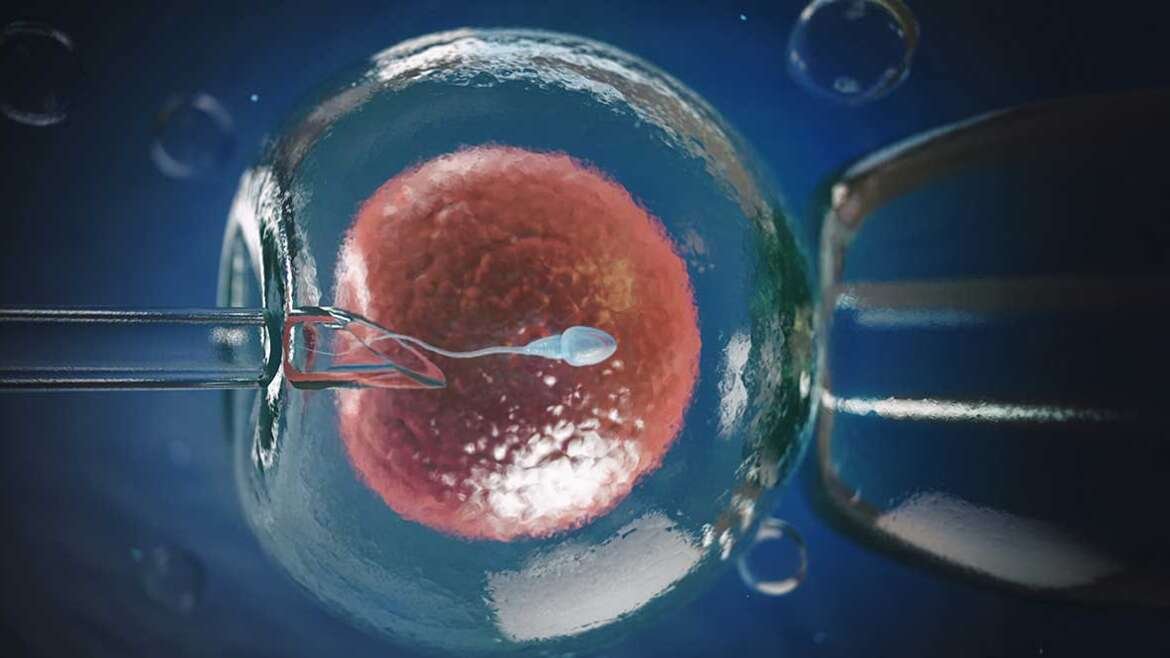
In Vitro Fertilisation - IVF involves creating embryos under laboratory conditions and transferring healthy embryos to the woman's uterus.
Who is IVF (In Vitro Fertilisation) applicable for:
Female-Related Reasons:
- Damage or blockage in the fallopian tubes, including tubal ligation procedures
- Negative results from insemination treatment
- Immunological reasons
- Infertility due to endometriosis
- Unexplained infertility
- Ovulatıon disorders (polycystic ovary syndrome)
- Recurrent pregnancy losses
- Carrier of single gene diseases
- Carriers of chromosomal balanced translocations
Male-Related Reasons:
- Insufficient sperm motility
- Abnormal sperm morphology
- Reduced sperm count
- Absence of sperm (Azoospermia)
- Unexplained infertility
- Carrier of single gene diseases
- Carriers of chromosomal balanced translocations
Patient Evaluation and Preparation Stage
Ventus IVF Center tailors a treatment plan according to the individual’s specific situation. For men, sperm tests, hormone tests, testicular ultrasonography, and genetic tests may be requested. Urological evaluation can also be conducted. In women, gynaecological examination, menstrual cycle monitoring, and past medical history are reviewed. Potential issues are addressed and additional tests such as genetic analysis may be performed. It is determined if IVF treatment is the most suitable solution for the couple’s infertility problem before starting the procedures.
Oocyte (Egg) Stimulation
In this process, the ovaries are stimulated with medications started during the menstrual period. Controls are made to ensure that the oocytes are at the optimal level in terms of number and quality. This process usually lasts 10-12 days.
Oocyte Collection and Sperm Preparation
Oocytes are collected 34-36 hours after the administration of the trigger shot. This procedure is performed under general anaesthesia, with the aid of ultrasound. On the same day, a sperm sample is taken from the male. A sexual abstinence recommendation is given to improve sperm quality. If frozen sperm samples are to be used, preparation for this process is made.
Fertilisation Under Laboratory Conditions
The collected eggs are fertilised with sperm through the microinjection process and placed in an “embryo culture” medium. The development of embryos is monitored following the formation of 2 pronuclei, indicative of successful fertilisation. The patient is informed about the fertilisation results and the quality of the embryos.
Embryo Monitoring
The development of fertilized embryos is monitored under specialized microscopes in laboratory conditions until they reach the blastocyst stage. The monitoring process aims to assess the healthy development of embryos. This assessment is based on observing the cellular division rate, cell growth, tissue structure, and other developmental characteristics of the embryos. During the embryo monitoring process, the goal is to identify the most suitable, well-developed, and healthy embryos. These selected embryos are then chosen for transfer into the uterus of the intended recipient
Embryo Biopsy
In this procedure, cells are taken from embryos and sent to the laboratory for genetic analysis. This process ensures the selection of healthy embryos.
Meet our experts in the reproductive medicine field

Assoc. Prof. Beril Yuksel

Dr. Munevver Serdarogulları
