
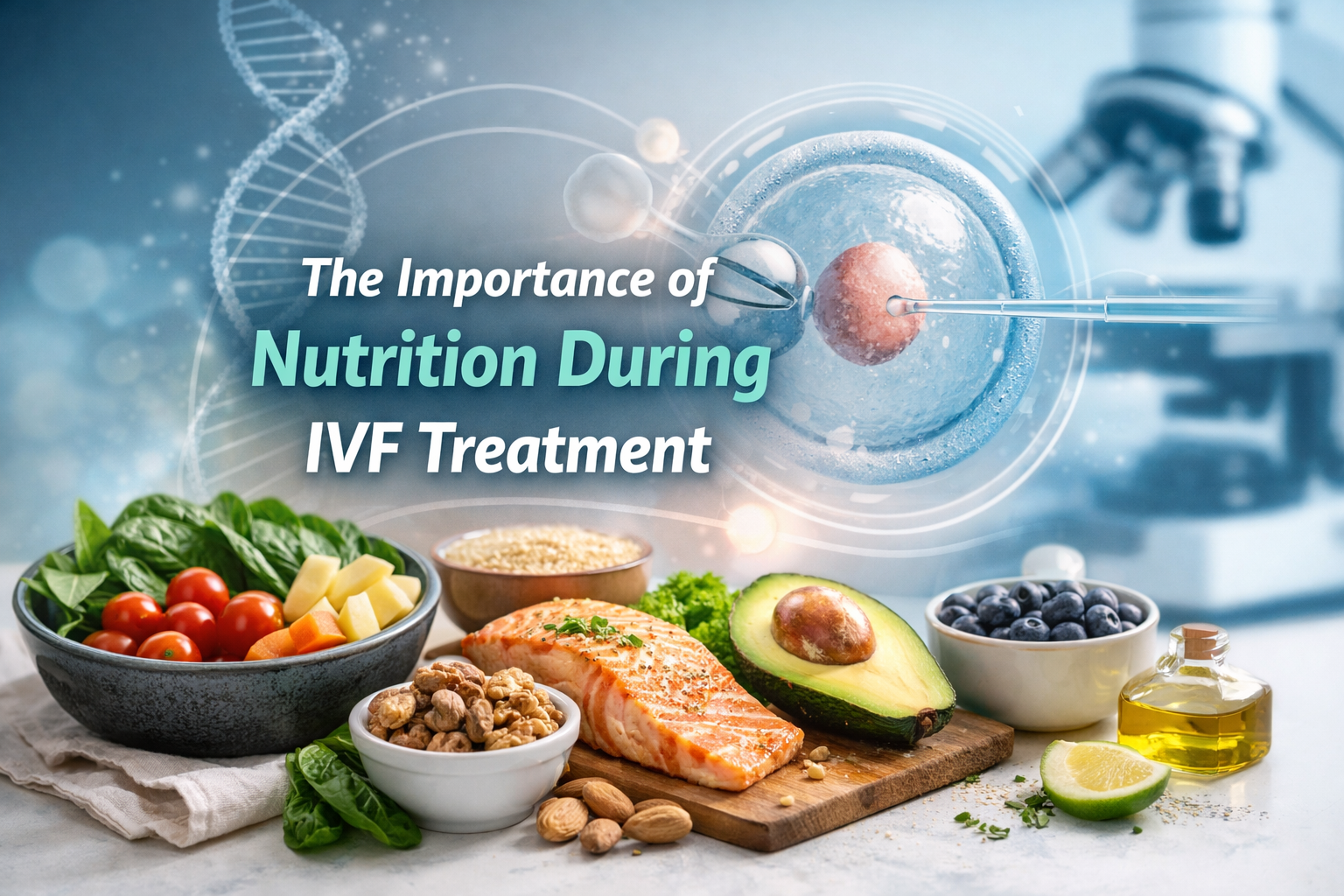
Introduction
IVF treatment is more than just medical procedures—it’s a holistic journey that involves physical, emotional, and nutritional preparation. What you eat before and during IVF can influence hormone balance, egg quality, and overall reproductive health. By paying attention to your diet, you can give your body the best chance to respond positively to treatment.
Why Nutrition Matters
Nutrition plays a key role in IVF success. A diet rich in essential vitamins, minerals, and antioxidants supports hormone regulation, reduces inflammation, and improves egg and sperm quality. Couples who follow a fertility-friendly diet often report better treatment outcomes and higher success rates.
Eating well helps your body maintain the energy needed for ovulation, fertilization, and embryo development. Even small adjustments, like incorporating more fruits, vegetables, and lean proteins, can make a significant difference in your fertility journey.
Essential Nutrients for IVF
Certain nutrients are particularly important during IVF treatment. Folic acid is vital for DNA synthesis and early embryo development. Vitamin D supports hormonal balance and can improve fertility outcomes. Omega-3 fatty acids, found in fish and walnuts, reduce inflammation and support reproductive health. Minerals like iron and zinc are essential for ovulation and overall fertility. Additionally, antioxidants such as vitamins C and E help protect reproductive cells from oxidative stress.
- Foods to Focus On
- Aim for a balanced diet that includes:
- Fresh fruits and vegetables
- Lean proteins like fish, poultry, and legumes
- Whole grains and healthy fats
Avoid highly processed foods, excessive sugar, and trans fats, as they can negatively affect hormone levels and egg quality. Staying hydrated and maintaining stable blood sugar levels also plays a key role in optimizing your fertility.
Practical Tips
Planning your meals can be simple. Focus on regular, balanced meals and incorporate a variety of nutrient-rich foods. Consulting with a fertility dietitian can provide personalized guidance tailored to your specific needs during IVF.
Conclusion
While medical procedures are central to IVF, IVF nutrition should not be overlooked. Eating a healthy, balanced diet supports your reproductive health, improves your chances of success, and helps your body stay strong throughout the treatment. With the right nutrition, you are giving yourself and your future baby the best possible start.