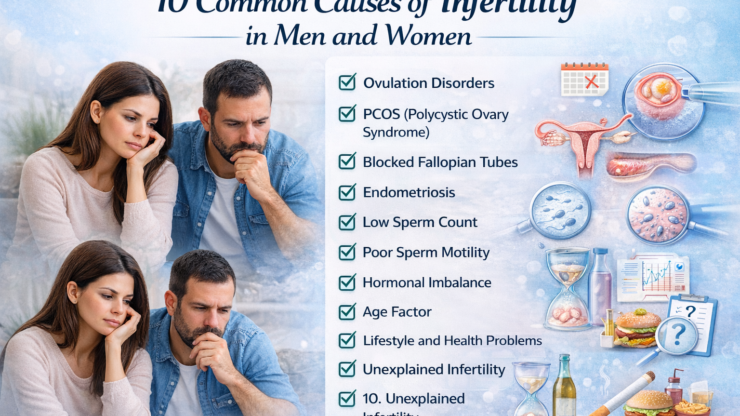
Infertility is a common condition that affects millions of couples worldwide. Many people believe infertility is only a female issue, but in reality, fertility problems can occur in both men and women. Infertility is usually defined as the inability to get pregnant after 12 months of regular unprotected intercourse, or after 6 months if the woman is over 35. Understanding…
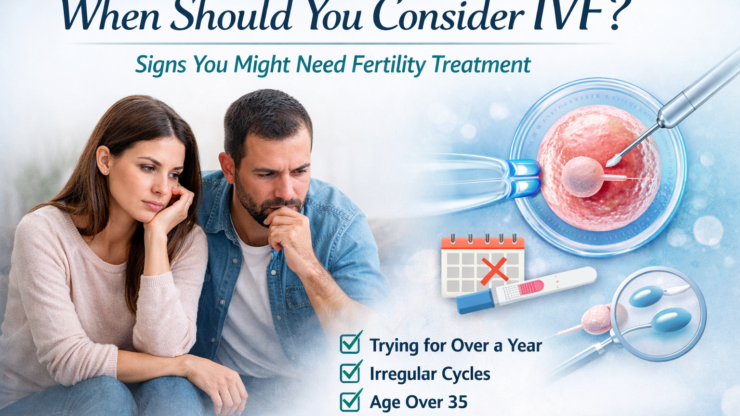
Trying to conceive can be an emotional journey, especially when pregnancy does not happen naturally. Many couples delay seeking help, but early diagnosis can improve your chances of success. If you are wondering when you should consider IVF, the right time depends on your age, health condition, and how long you have been trying. IVF (In Vitro Fertilization) is an…
Fertility and Age: What Women Need to Know Age is one of the most important factors affecting female fertility. Women are born with a finite number of eggs, and as they age, both egg quantity and quality decline. Understanding this relationship helps women make informed decisions about family planning, IVF treatment, and fertility preservation. How Age Affects Fertility Under 30:…
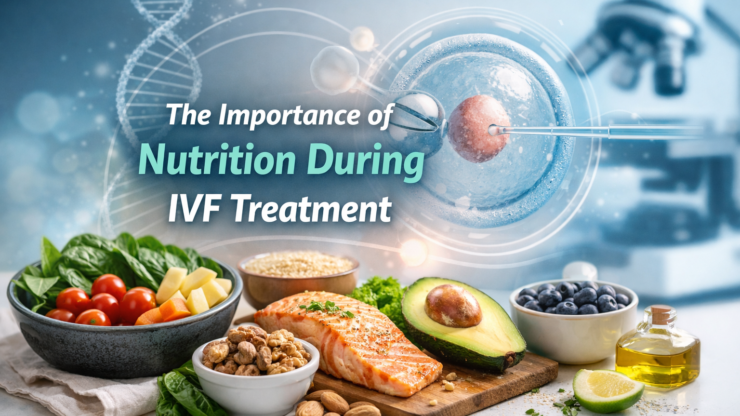
Introduction IVF treatment is more than just medical procedures—it’s a holistic journey that involves physical, emotional, and nutritional preparation. What you eat before and during IVF can influence hormone balance, egg quality, and overall reproductive health. By paying attention to your diet, you can give your body the best chance to respond positively to treatment. Why Nutrition Matters Nutrition plays…